Data Centre

Data Centre

Data Centre Structured Cabling in Ashburn, Virginia: A Critical Component for Efficient Operations.

Data Center Rack and Stack Cost Guide for U.S. Companies in 2025

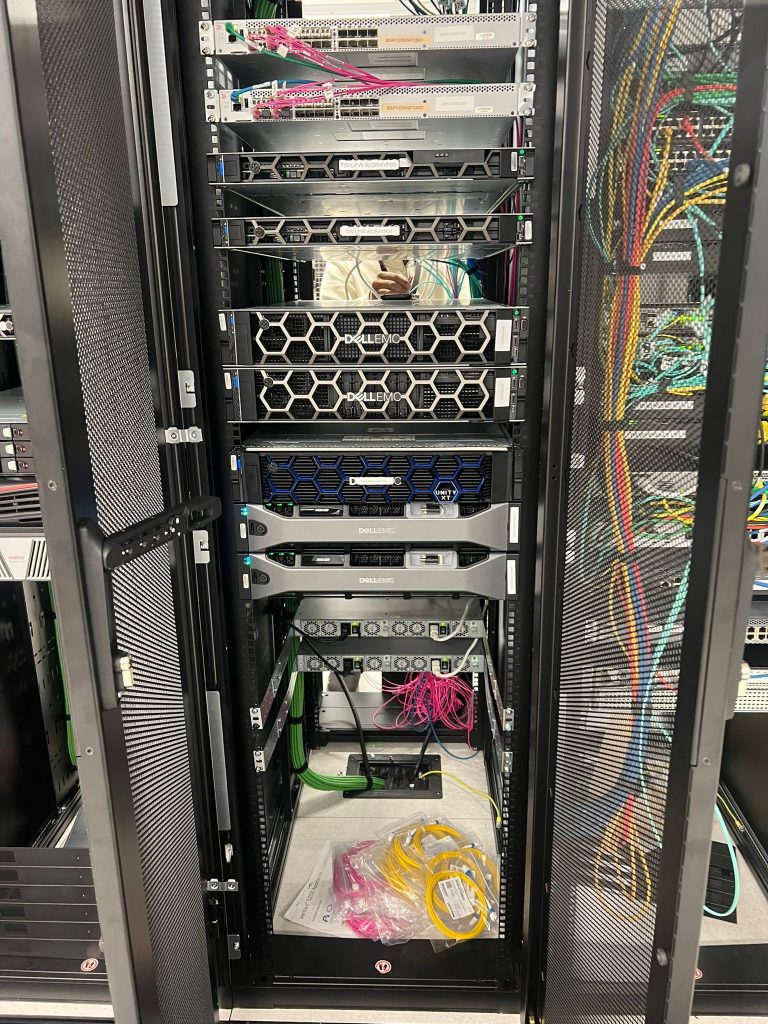
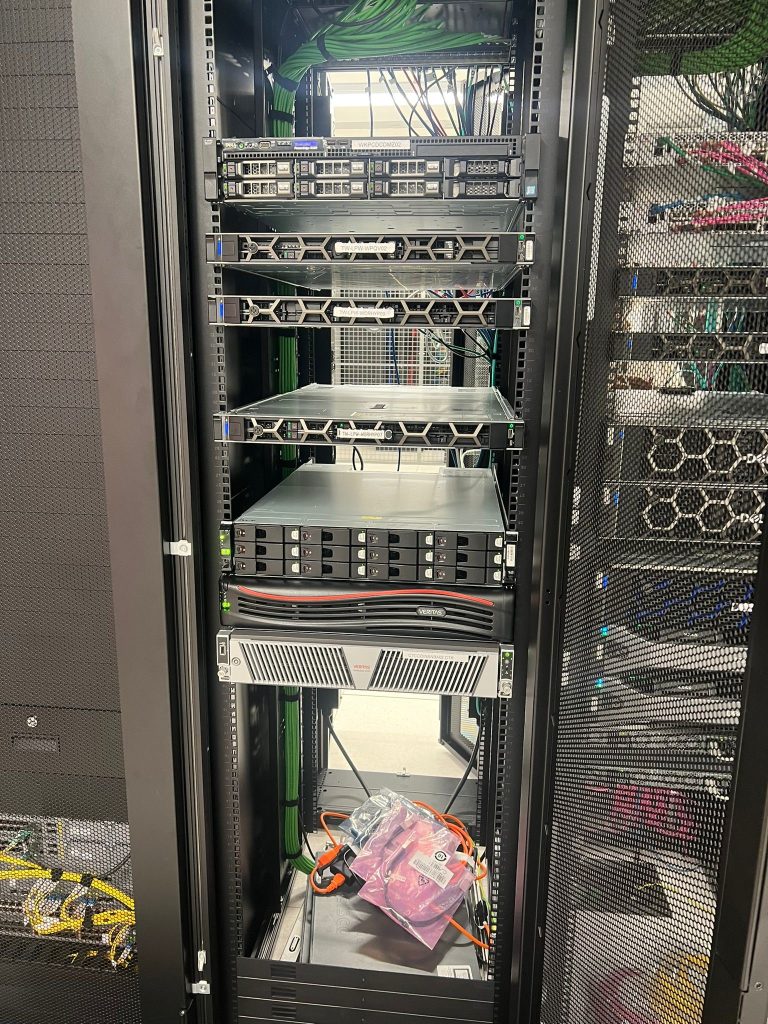
Data Center Rack and Stack Cost Guide for U.S. Companies in 2025 Data centers remain a critical element for ensuring the efficiency, security, and scalability of operations. In particular, the rack and stack process—which involves mounting and organizing servers, networking devices, and power components in racks—plays a vital role in data center setup and optimization. This guide will explore the cost breakdown for rack and stack solutions, factors that influence pricing, and how companies can optimize their setup costs for maximum efficiency. Additionally, we will take a closer look at Digital Infotech Solutions, a leader in providing custom rack and stack services, and how they can support U.S. businesses in streamlining their data center deployments. What is Rack and Stack in Data Centers? Before diving into the costs, let’s define what rack and stack means. In a data center, rack and stack refers to the process of physically installing and organizing servers, storage systems, switches, and other hardware into standard server racks. This structured approach helps businesses optimize space, improve equipment accessibility, and streamline cooling and power distribution. The rack and stack process includes: Factors Influencing the Cost of Rack and Stack Services The costs associated with rack and stack solutions can vary significantly depending on several factors. These include the size of the installation, the complexity of the equipment, labor costs, and infrastructure requirements. 1. Size of the Data Center The scale of the data center plays a large role in the rack and stack cost. For instance, larger data centers with hundreds of racks will naturally have higher installation costs compared to smaller setups. Additionally, if the facility requires specialized racks or custom solutions for high-density equipment, costs can increase. 2. Type of Equipment Being Installed Different types of equipment have varying installation needs. High-performance servers, networking devices, and storage solutions often require more intricate installation processes, which can add to the overall cost. For example, blade servers, high-density racks, or advanced storage arrays generally require more time and expertise to install properly. 3. Cable Management and Organization Effective cable management is a vital part of the rack and stack process. Poorly organized cables can lead to inefficiencies in cooling, performance, and troubleshooting. The complexity of the cable management system you need—such as cable trays, mounting systems, and cable ties—can directly affect the cost. 4. Power and Cooling Needs Efficient power distribution and cooling solutions are essential to prevent equipment overheating and ensure uptime. Data centers with high-density equipment require advanced cooling systems such as liquid cooling or in-row cooling, both of which can increase the installation cost. Likewise, the installation of power distribution units (PDUs) and uninterruptible power supplies (UPS) will add to overall costs. 5. Geographic Location Labor costs, taxes, and regulations vary by region, so the location of your data center also impacts installation costs. Major metropolitan areas typically have higher costs compared to rural locations due to factors like higher wages and stricter local building codes. Breakdown of Rack and Stack Costs for 2025 Here’s a breakdown of the expected costs for rack and stack services in 2025. Keep in mind that these costs can fluctuate based on the specific needs of your installation. 1. Rack Installation Costs 2. Equipment Costs The costs of the actual hardware that’s being installed can range widely depending on the type of equipment. 3. Cable Management Costs 4. Power and Cooling Infrastructure 5. Labor Costs Labor costs for rack and stack installation generally range from $50 to $200 per hour. For a medium-sized data center, installation labor can cost between $5,000 to $20,000, depending on the complexity of the setup. 6. Total Estimated Costs Digital Infotech Solutions: Expert Rack and Stack Services Digital Infotech Solutions offers tailored rack and stack services to enterprises in the U.S. The company is known for its expertise in data center installations, offering pre-configured, scalable, and highly efficient setups for businesses of all sizes. Their rack and stack services include everything from server installation to cable management, power distribution, and cooling solutions. Why Choose Digital Infotech Solutions? Cost Optimization Tips for Rack and Stack Solutions To help U.S. companies maximize their rack and stack investments, here are a few tips for optimizing costs: 1. Plan for Future Growth By choosing modular rack systems and scalable equipment, businesses can avoid the need for major upgrades or complete overhauls as their infrastructure needs evolve. 2. Choose Energy-Efficient Solutions Investing in energy-efficient servers, cooling systems, and power distribution units (PDUs) will help reduce ongoing operational costs by minimizing power consumption and cooling needs. 3. Work with Experienced Service Providers Partnering with an experienced company like Digital Infotech Solutions ensures that the installation process is smooth, minimizing costly errors and downtime. 4. Compare Vendor Quotes Make sure to get multiple quotes from different rack and stack service providers to ensure you’re getting competitive pricing and high-quality service. Conclusion Understanding the costs associated with rack and stack services is essential for U.S. businesses looking to optimize their data center infrastructure in 2025. By considering factors like the size of the setup, the type of equipment, labor costs, and power/cooling requirements, companies can better plan their budgets and avoid surprises down the line. Additionally, working with experienced providers like Digital Infotech Solutions can help streamline the process, ensuring cost efficiency and scalability for future growth. FAQs 1. What is the typical cost of installing a rack in a data center?The cost ranges from $500 to $2,000 per standard rack, with high-density or custom setups costing more. 2. How can I optimize power consumption in my data center?Invest in energy-efficient servers, use advanced cooling systems, and select energy-saving PDUs to reduce your overall energy costs. 3. How long does the rack and stack installation process take?Depending on the complexity of the setup, installation can take anywhere from a few days to several weeks. 4. How can Digital Infotech Solutions help optimize my data center installation?They offer expert rack and stack services, pre-configured solutions, and end-to-end support to ensure efficient,

Data Center Rack and Stack Cost Guide for U.S. Companies in 2025 Read More »
network cabling

Benefits of Pre-Configured Rack and Stack Solutions for US. Enterprises

Benefits of Pre-Configured Rack and Stack Solutions for US. Enterprises The need for efficient, scalable, and reliable data centers has never been greater. One such solution that has gained significant traction in recent years is the pre-configured rack and stack system. A pre-configured rack and stack solution involves having servers, networking hardware, power distribution units, and other essential components pre-installed and pre-wired into racks before they arrive at a company’s data center. This ready-to-deploy solution saves time, reduces complexity, and ensures optimal performance right out of the box. In this article, we explore the benefits of pre-configured rack and stack solutions for U.S. enterprises, and how they can help improve overall efficiency, reduce costs, and streamline IT operations. What Are Pre-Configured Rack and Stack Solutions? A pre-configured rack and stack solution is essentially a fully assembled IT infrastructure system that arrives at the enterprise’s data center ready to be deployed. This includes pre-installed servers, switches, storage systems, and all associated components, along with the necessary cables and power supplies, all mounted within a rack. These solutions are configured and tested before delivery, ensuring that the system is ready for immediate use upon installation. This is in contrast to traditional setups where each individual component is installed and configured separately, a process that can be time-consuming and prone to errors. Why U.S. Enterprises are Turning to Pre-Configured Rack and Stack Solutions 1. Reduced Setup Time and Faster Deployment One of the most significant benefits of pre-configured rack and stack solutions is the reduction in setup time. Traditional rack installations require on-site configuration, wiring, and testing, all of which can take several days or even weeks. With a pre-configured system, all components are already mounted, wired, and configured before they arrive at the data center. This means enterprises can go from receiving the equipment to being up and running in a fraction of the time. For U.S. enterprises with tight timelines, this can be a game-changer, enabling faster deployment and reducing delays that could impact business operations. 2. Improved Operational Efficiency In any data center, efficiency is key to maximizing uptime and minimizing the risk of errors. Pre-configured rack and stack solutions are designed to optimize the performance of all components, ensuring that each server, network switch, and storage system works seamlessly together. Since the system is pre-configured, the risk of misconfiguration is drastically reduced, leading to fewer operational issues and a more stable environment. The integration of hardware and software is already handled during the pre-configuring process, making it easier for the IT team to manage and maintain the system without the need for complex configurations. 3. Cost Savings Although pre-configured rack and stack solutions may have a higher upfront cost than traditional setups, they can lead to significant cost savings in the long run. These savings come in several forms: In fact, many businesses find that the cost savings realized over time more than make up for the initial investment in pre-configured systems. 4. Scalability and Flexibility As enterprises grow, their data center infrastructure needs to scale accordingly. Pre-configured rack and stack solutions are available in various configurations, making it easier to select a system that suits current needs while offering room for future expansion. Whether it’s adding more servers, storage, or networking devices, pre-configured solutions can easily be scaled up without requiring major modifications to the existing setup. This flexibility allows enterprises to expand their IT infrastructure as needed, supporting business growth and changes in technology demands. 5. Consistency and Quality Control When a system is pre-configured and tested before delivery, businesses benefit from a high level of quality control. All components are carefully selected and rigorously tested to ensure compatibility and reliability. This process reduces the risk of faulty equipment and the associated problems, such as crashes or delays caused by hardware failures. Additionally, since the configuration process is standardized, enterprises can expect consistent performance across multiple installations. This uniformity helps to streamline IT operations, as staff only need to maintain and troubleshoot one consistent type of setup. 6. Simplified IT Management Managing IT infrastructure can be challenging, especially for large enterprises with complex systems. However, pre-configured rack and stack solutions simplify this process by providing an integrated, standardized system that requires minimal management. Since all components are pre-installed and pre-configured, IT staff can focus on monitoring performance, ensuring security, and handling any other critical tasks, rather than spending time on setup, configuration, or troubleshooting. This ease of management helps IT teams stay efficient and responsive to business needs. 7. Enhanced Reliability and Support Pre-configured systems are backed by manufacturers and service providers who offer comprehensive support. Enterprises can often access technical support from the vendor that assembled the system, ensuring a faster resolution of any issues. Many pre-configured solutions also come with warranties and service-level agreements (SLAs) that guarantee reliable operation and support. The consistency and reliability of pre-configured systems also minimize the likelihood of system outages or unexpected disruptions, providing businesses with greater peace of mind knowing that their critical IT infrastructure is running smoothly. Key Features to Look for in Pre-Configured Rack and Stack Solutions When selecting pre-configured rack and stack solutions for your enterprise, consider the following features to ensure that the system meets your requirements: Conclusion In an increasingly fast-paced business environment, pre-configured rack and stack solutions offer U.S. enterprises an efficient, scalable, and cost-effective way to manage their data center infrastructures. With reduced setup times, improved operational efficiency, lower long-term costs, and easier scalability, these solutions provide businesses with a competitive edge. By investing in pre-configured rack and stack solutions, enterprises can ensure smoother IT operations, better performance, and the flexibility to adapt to future growth. The upfront investment in these solutions is often outweighed by the long-term benefits, making them a wise choice for forward-thinking businesses. FAQs 1. What are the advantages of using pre-configured rack and stack solutions?The main advantages include faster deployment, reduced setup time, improved operational efficiency, scalability, and lower long-term costs. 2. Can pre-configured rack and

Benefits of Pre-Configured Rack and Stack Solutions for US. Enterprises Read More »

2

Rack and Stack Solutions for High-Density Data Centers in the US.

Rack and Stack Solutions for High-Density Data Centers in the US. As data requirements continue to grow, businesses and organizations are facing the challenge of optimizing their data centers to handle increasing demands for computing power, storage, and connectivity. This is particularly true for high-density data centers, where the need to maximize available space while maintaining efficiency, cooling, and power distribution is more critical than ever. Rack and stack solutions have become essential to support the growing trend of high-density computing in data centers. In this article, we explore the importance of rack and stack solutions in high-density data centers, the challenges they face, and best practices to ensure optimal performance, scalability, and sustainability. What Are High-Density Data Centers? A high-density data center refers to a facility where equipment is installed in a way that maximizes the computing power, storage, and networking capabilities in a smaller footprint. Typically, this means using high-performance servers and equipment that consume more power and generate more heat per unit of space. In high-density setups, a significant amount of technology is packed into a limited area to handle massive data volumes and high workloads. Why High-Density Data Centers Require Special Rack and Stack Solutions As technology advances, high-density data centers are becoming more popular due to their ability to deliver greater performance in less space. However, this creates a unique set of challenges when it comes to rack and stack solutions. Here are the main reasons why specialized solutions are required: 1. Space Efficiency and Maximization The most obvious benefit of high-density data centers is the ability to maximize the use of available space. By organizing servers and networking hardware more efficiently, rack and stack solutions ensure that equipment is securely mounted and arranged without wasting valuable space. This not only helps to fit more equipment in a smaller area but also facilitates better organization, improving the overall operational efficiency of the facility. 2. Improved Cooling and Power Management One of the biggest challenges in high-density data centers is managing the heat generated by densely packed equipment. Proper rack and stack solutions integrate advanced cooling systems that efficiently manage the heat output of equipment while maintaining energy efficiency. By utilizing hot aisle/cold aisle containment systems and advanced cooling technology, rack and stack solutions can help reduce the energy consumption required for cooling and ensure that the equipment remains within safe temperature ranges. Efficient power management is also crucial, as high-density racks require consistent and reliable power distribution to avoid failures and disruptions. 3. Future Scalability and Flexibility As organizations grow and technology evolves, scalability is a key consideration in any data center design. High-density environments need flexible rack and stack solutions that can accommodate growth without compromising on efficiency. Scalable solutions allow for easy upgrades, expansion, and the integration of new equipment, all while maintaining a compact and organized setup. 4. Cable Management and Organization High-density installations involve a significant number of cables, which, if not managed properly, can lead to inefficiencies, airflow issues, and even downtime. Advanced cable management solutions are essential to keep cables organized, reduce clutter, and ensure proper airflow. In high-density data centers, these management systems help keep cables out of sight and organized, which reduces the risk of overheating and improves the overall cleanliness of the facility. Key Components of Rack and Stack Solutions for High-Density Data Centers To create an effective rack and stack solution for high-density data centers, certain key components and strategies are necessary. Below are the primary elements that make up a successful high-density setup: 1. Rack Enclosures Specialized rack enclosures designed for high-density environments offer greater weight capacity, better airflow management, and increased flexibility. These racks are designed to hold multiple servers, switches, and networking equipment in an organized and secure manner. Features to look for in high-density racks include: 2. High-Density Servers and Equipment The heart of any high-density data center lies in the servers and networking equipment that power the system. These devices are engineered to fit into smaller spaces while delivering maximum performance. Blade servers, for example, allow for multiple processors and storage units to be installed in a single rack unit, providing more computing power without increasing the overall footprint. When choosing high-density servers, it’s important to consider factors like: 3. Cooling Systems Efficient cooling systems are vital in high-density data centers, where equipment generates a large amount of heat. In-row cooling, liquid cooling, and cold aisle containment are popular solutions for maintaining optimal temperatures. Additionally, integrating cooling systems into the rack and stack setup is essential to avoid unnecessary energy consumption and maintain proper airflow. 4. Power Distribution Units (PDUs) Given the high power demands of high-density data centers, it’s essential to have efficient and reliable power distribution units. PDUs are designed to manage the power requirements of multiple racks, ensuring that each piece of equipment receives stable and continuous power. Intelligent PDUs also offer remote monitoring capabilities, allowing administrators to track power usage and prevent overloading. 5. Cable Management Systems In high-density data centers, proper cable management is crucial to avoid congestion, overheating, and inefficiency. Using cable trays, ties, and raceways helps maintain a clean and organized layout, ensuring that cables are routed correctly and don’t obstruct airflow. Best Practices for Rack and Stack Solutions in High-Density Data Centers To ensure optimal performance and longevity of a high-density data center, it’s important to follow best practices when implementing rack and stack solutions: 1. Plan for Future Growth When setting up racks in a high-density data center, it’s important to plan for future upgrades and expansions. Leaving space for additional racks, servers, or equipment will ensure that the data center can scale without requiring a major overhaul. 2. Monitor and Manage Power Consumption Monitoring power usage is key to maintaining efficiency in a high-density environment. Energy-efficient racks and smart PDUs that offer real-time power monitoring can help track consumption and optimize power distribution. 3. Prioritize Cooling and Airflow Optimization Effective cooling is essential to avoid equipment failures. Utilize cold

Rack and Stack Solutions for High-Density Data Centers in the US. Read More »

Data center relocation

The Importance of Proper Cable Management in Data Center Rack and Stack

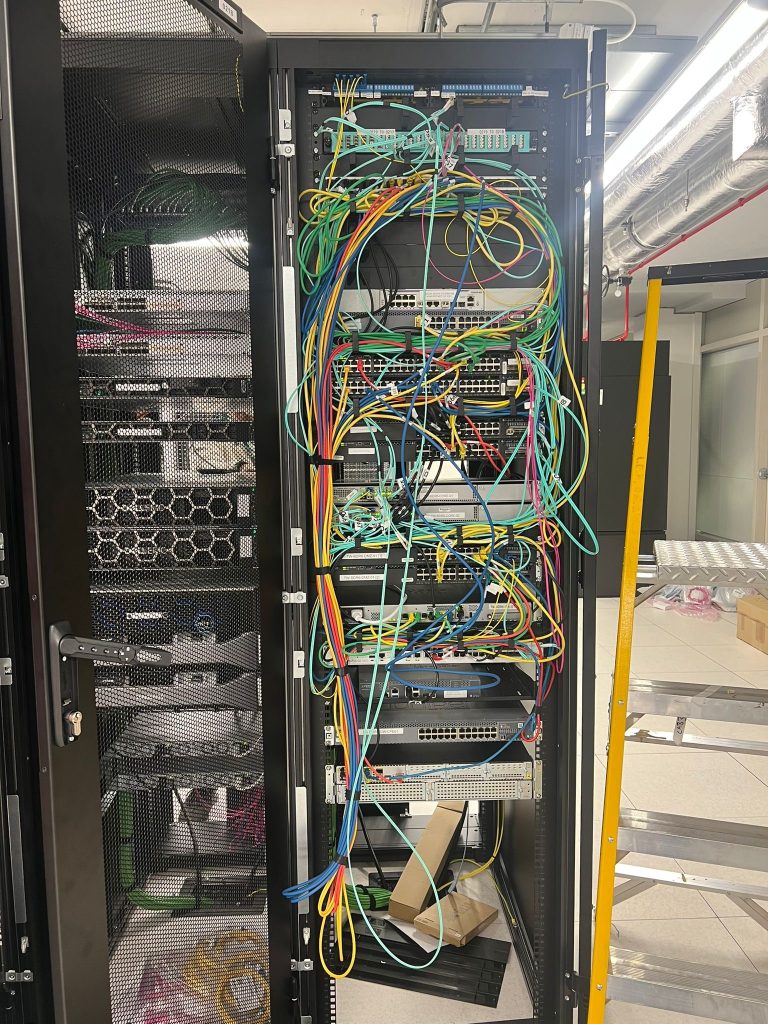
The Importance of Proper Cable Management in Data Center Rack and Stack. Data centers serve as the backbone of modern businesses, powering everything from cloud computing to IoT devices. One of the most critical aspects of a data center’s infrastructure is the rack and stack system, where servers and networking equipment are housed. Within this complex setup, proper cable management plays a pivotal role. Without proper cable organization, data centers can face numerous challenges, such as overheating, reduced system performance, difficulty in troubleshooting, and safety hazards. This article explores the importance of proper cable management in the rack and stack process, focusing on how it enhances operational efficiency, reduces downtime, and ensures a reliable data infrastructure. What Is Cable Management in Data Centers? Cable management in data centers refers to the systematic organization of cables within the rack and stack setup. This involves the proper routing, securing, and labeling of cables that connect various components, such as servers, switches, routers, and power systems. Cable management is essential for preventing tangling, minimizing physical damage, and maintaining a clean and organized environment. Why Is Proper Cable Management Crucial in Data Centers? 1. Enhanced Airflow and Cooling Efficiency In data centers, cooling is critical to prevent servers and other equipment from overheating. When cables are not managed properly, they can obstruct airflow, leading to hot spots and inefficient cooling. By organizing cables neatly and routing them away from air vents, proper cable management ensures that air can circulate freely, helping to maintain optimal temperatures within the racks. This reduces the burden on cooling systems, thus improving energy efficiency and prolonging the lifespan of the equipment. 2. Improved Equipment Access and Maintenance One of the most significant advantages of effective cable management is the ease of maintenance. When cables are organized, labeled, and neatly secured, technicians can quickly identify, access, and troubleshoot equipment. In data centers, downtime is costly, so minimizing the time spent on locating cables and diagnosing problems is essential. With organized cable systems, technicians can perform maintenance tasks more efficiently, reducing downtime and ensuring systems remain operational. 3. Minimizing Downtime and Reducing System Failures Loose, tangled, or poorly organized cables can cause frequent connectivity issues, power failures, and hardware malfunctions. Improperly routed cables are at risk of being accidentally disconnected or damaged, leading to network outages and disruptions. Cable management reduces these risks by ensuring cables are securely connected and routed in a way that prevents accidental disconnections or damage. By maintaining proper cable organization, data centers can significantly reduce the likelihood of unplanned downtime. 4. Future-Proofing and Scalability As data centers grow and evolve, they often require upgrades and the addition of new equipment. Without an organized cable management system, scaling a data center can become a complicated and costly task. Proper cable management allows for easier scalability by ensuring that new cables and components can be added without disrupting the existing infrastructure. By keeping cables organized and clearly labeled, future installations or upgrades become less cumbersome and more efficient. 5. Improving Safety and Reducing Hazards In a busy data center, loose or tangled cables pose a significant safety risk. Cable-related hazards, such as tripping, overheating, or even electrical fires, can be avoided with effective cable management practices. By using cable ties, cable trays, and racks to keep cables properly routed and secured, data centers can reduce the risk of accidents and ensure a safer environment for both staff and equipment. 6. Compliance with Industry Standards Many industries have specific compliance requirements related to data center infrastructure, including cable management. For instance, the TIA-942 standard provides guidelines for data center design, including cable management. Compliance with such standards ensures that data centers meet safety, operational, and environmental requirements, which can be critical for business continuity. Failure to adhere to cable management standards can lead to regulatory fines or challenges during audits. By prioritizing proper cable management, data centers can meet industry standards and avoid potential legal or compliance issues. Best Practices for Cable Management in Data Centers To ensure the highest level of efficiency, safety, and scalability, here are some best practices for cable management in rack and stack installations: 1. Use Cable Trays and Racks Cable trays are an essential part of any cable management system in data centers. These trays allow cables to be routed neatly and securely, preventing tangling and reducing strain on individual cables. Additionally, cable racks offer a convenient way to organize and support cables within the rack. 2. Label and Color Code Cables Labeling each cable is crucial for quick identification and maintenance. By clearly marking cables based on their function, destination, or server, technicians can easily trace and replace cables as needed. Color coding can further help distinguish between power, network, and other cables, reducing confusion during troubleshooting. 3. Implement Horizontal and Vertical Cable Management In rack and stack installations, organizing cables both horizontally and vertically helps optimize space and prevent obstruction of airflow. Horizontal cable management keeps cables aligned and supports their routing along the rack, while vertical cable management can manage cables that extend from one rack to another. 4. Keep Cables Separate by Type Different cables serve different purposes, and mixing them together can lead to issues. Network cables should be kept separate from power cables to avoid electromagnetic interference (EMI) and ensure proper signal transmission. Ensuring proper cable separation also reduces the risk of power surges affecting data transmission. 5. Plan for Future Growth When installing cables, always leave enough slack and space to accommodate future upgrades. Planning for future growth means you’ll have the capacity to add new equipment or integrate additional services without disrupting the existing setup. 6. Regular Maintenance and Inspection A cable management system isn’t something that can be installed once and forgotten about. Regular inspections should be conducted to ensure that cables remain securely fastened and that the system remains organized. Over time, cables can shift or degrade, so periodic checks are essential to maintaining an efficient and safe environment. Tools and Technologies

The Importance of Proper Cable Management in Data Center Rack and Stack Read More »

Data center relocation

Top Rack and Stack Service Providers for U.S. Data Centers

Top Rack and Stack Service Providers for U.S. Data Centers The backbone of any data center is the rack and stack infrastructure. Properly mounting and organizing servers, networking equipment, and other hardware is crucial for efficient performance, ease of maintenance, and scalability. For U.S. data centers, choosing the right service provider for rack and stack services is paramount. In this article, we explore the top rack and stack service providers in the U.S. that ensure a smooth installation process, optimal space utilization, and long-term operational efficiency. What Are Rack and Stack Services? Before diving into the service providers, it’s essential to understand what rack and stack services entail. Rack and stack refers to the process of installing servers, switches, routers, and other data center equipment into standardized racks and arranging them in a logical, efficient manner. Proper rack and stack services ensure that the equipment is securely mounted, organized, and ready for operation, while also considering factors like power distribution, cooling, and cable management. Why Choosing the Right Service Provider Matters Selecting a reliable rack and stack service provider is crucial for several reasons: Top Rack and Stack Service Providers in the U.S. Here are some of the top rack and stack service providers that specialize in data center installation and management: 1. Digital Infotech Digital Infotech is one of the leading names in rack and stack services for U.S. data centers. The company offers comprehensive services, including the installation, configuration, and optimization of rack-mounted servers and networking equipment. Digital Infotech is known for its meticulous planning and precision during installations, ensuring maximum space utilization, optimized power distribution, and enhanced cooling solutions. Key Services: 2. Schneider Electric Schneider Electric is another dominant player in the rack and stack services industry. A global leader in energy management and automation, Schneider Electric brings a unique approach to rack and stack solutions by integrating their expertise in energy-efficient power systems. Their EcoStruxure platform, which provides end-to-end monitoring and optimization, helps enhance the performance and sustainability of data centers. Key Services: 3. 10gigAB 10gigAB is a premier rack and stack services provider specializing in high-performance computing and enterprise data center installations. Known for their skilled team of engineers and technicians, 10gigAB offers a streamlined approach to data center setup, ensuring optimal use of rack space and resources. Their services are especially beneficial for businesses looking for high-density rack configurations and advanced networking solutions. Key Services: 4. Rackspace Technology Rackspace Technology is one of the most recognized names in the cloud computing industry, and its rack and stack services are designed to support large-scale cloud infrastructures and hybrid systems. Rackspace provides customized solutions for data centers, ensuring that all equipment is strategically placed for optimal cooling, power distribution, and network connectivity. Key Services: 5. Equinix As a global leader in interconnection and data center solutions, Equinix provides top-tier rack and stack services for both small and large data centers. They are known for offering flexible and scalable solutions that cater to businesses of all sizes. Equinix’s services are particularly ideal for companies that need to expand their data center operations rapidly without compromising on performance or security. Key Services: 6. Server Technology Server Technology is a rack and stack service provider that specializes in power distribution and cable management solutions for data centers. Their advanced rack-mounted power distribution units (PDUs) are ideal for high-density installations, where efficient power management and cooling are top priorities. Server Technology is also renowned for its remote monitoring tools that help manage and maintain data center installations effectively. Key Services: 7. Data Center Tech Data Center Tech provides rack and stack services with a focus on delivering highly reliable and secure installations. They offer end-to-end services, from rack design to installation and optimization, ensuring that each data center setup is tailored to meet the client’s specific needs. Known for their quick response times and customer-focused approach, Data Center Tech serves businesses that need to optimize their data center infrastructure swiftly. Key Services: Conclusion The right rack and stack service provider can make a huge difference in the performance, reliability, and scalability of your data center. Providers like Digital Infotech, Schneider Electric, and Rackspace Technology lead the way in offering tailored solutions that optimize data center operations, from power distribution to cooling systems. By partnering with these top service providers, U.S. businesses can ensure their rack and stack installations are not only efficient but also future-proofed for growth. FAQs 1. What does rack and stack mean in data centers?Rack and stack refers to the process of installing servers, switches, and other equipment into standardized racks to optimize space, airflow, and power management. 2. How do I choose the right rack and stack service provider?Consider factors like experience, expertise in high-density environments, scalability, and post-installation support when choosing a service provider. 3. Why is power distribution important in rack installations?Proper power distribution ensures that all equipment operates efficiently, prevents overloading, and reduces the risk of downtime. 4. What are the benefits of modular rack systems?Modular racks allow for easy scaling and adjustments, making future upgrades and expansions simpler and cost-effective. 5. Can rack and stack providers help with cloud migrations?Yes, many service providers, like Rackspace Technology, specialize in cloud migration, ensuring a smooth transition to a hybrid or cloud-based infrastructure. Please don’t forget to leave a review.

Top Rack and Stack Service Providers for U.S. Data Centers Read More »

a man sitting in a server room

How to Optimize Rack and Stack Solutions for U.S. Data Centers.

How to Optimize Rack and Stack Solutions for U.S. Data Centers. As data centers continue to grow in complexity and scale, especially across the U.S., optimizing rack and stack solutions is critical to improving performance, reducing costs, and ensuring the long-term efficiency of the infrastructure. The optimal design of rack and stack solutions is more than just a matter of efficiently organizing equipment; it involves considering factors like power, cooling, cable management, and scalability. This article delves into the most effective strategies for optimizing rack and stack solutions specifically for U.S. data centers in 2025, where technological advancements and the increasing demand for faster, more reliable services require top-tier infrastructure management. Understanding Rack and Stack Solutions in Data Centers Before diving into optimization, let’s briefly explain what rack and stack solutions are. In a data center, a “rack” refers to a physical framework used to house IT equipment such as servers, routers, and switches, while “stack” refers to the way equipment is arranged in these racks. This method allows for better organization, maximized space, and improved airflow, all critical for maintaining optimal performance. Proper rack and stack solutions ensure that data centers run efficiently, offering easy access to hardware, efficient cooling, and the capacity for future scaling. Key Considerations for Optimizing Rack and Stack Solutions Optimizing rack and stack setups requires a thoughtful approach, combining space management, power distribution, cable organization, and cooling strategies. Here are the primary considerations for U.S. data centers: 1. Choose the Right Rack Design The first step in optimizing your rack and stack solutions is selecting the right type of rack. There are several options to consider, such as: Selecting the right type of rack is vital to maximizing space and ensuring that your data center can accommodate future growth. 2. Optimize Rack Space Utilization Space optimization is crucial for keeping costs low and ensuring that the data center can expand as needed. Here are some rack space optimization tips: 3. Proper Power Distribution Ensuring your data center racks are optimized for power distribution is a key factor in rack and stack solutions. Here are ways to handle this effectively: 4. Advanced Cable Management Solutions Cable management is often overlooked, but it plays a vital role in the optimization of your rack and stack solutions. Proper cable management reduces clutter, improves airflow, and makes it easier to identify and resolve issues quickly. Consider the following best practices: 5. Implement Effective Cooling Strategies Proper cooling is essential for any data center. Overheating can cause equipment to fail, reducing efficiency and increasing maintenance costs. Here are ways to optimize cooling in your rack and stack solutions: 6. Scalability and Flexibility As data centers evolve and technology advances, it’s essential that rack and stack solutions are scalable. Modular racks and adjustable shelving allow for future growth without the need for major renovations. The ability to scale ensures that data centers can adapt to future needs, such as adding new equipment or increasing power distribution. Being flexible with the rack installation can also help you keep up with industry trends, like adopting smart racks that incorporate automation and remote monitoring. 7. Security and Compliance Considerations Security and compliance are paramount when dealing with sensitive data in U.S. data centers. Implementing the following practices will help optimize the installation while maintaining high levels of data security: 8. Remote Monitoring and Management Tools Incorporating remote monitoring into your rack and stack solutions allows for constant tracking of your data center’s performance. Remote monitoring tools help you assess power usage, airflow, and cooling systems, and alert you to potential issues before they escalate into problems. These tools help optimize the overall performance of your racks and improve efficiency by allowing you to make adjustments remotely. 9. Integration of Smart Technologies The future of rack and stack solutions lies in smart technology. Using smart racks that integrate IoT (Internet of Things) and automated monitoring can vastly improve efficiency. Digital Infotech is a pioneer in these advancements, offering cutting-edge solutions that automate many aspects of data center management, from power distribution to temperature control. 10. Environmental Sustainability Practices Sustainability is more than just a trend in 2025. As the need for energy-efficient solutions grows, data centers are increasingly adopting environmentally friendly practices. Here’s how to make your rack and stack solutions more sustainable: Conclusion Optimizing rack and stack solutions is essential for enhancing the performance, scalability, and sustainability of U.S. data centers. By implementing the best practices outlined above, including choosing the right racks, optimizing power distribution, improving cable management, and ensuring effective cooling, data centers can maximize operational efficiency while minimizing risks and downtime. Furthermore, adopting advanced solutions such as smart racks and remote monitoring tools will ensure that data centers remain competitive and resilient in the fast-evolving tech landscape. FAQs 1. How do I optimize rack space in a data center?Utilize vertical stacking, modular racks, and aisle containment strategies to maximize rack space and ensure efficient airflow. 2. Why is power redundancy crucial in rack installations?Power redundancy ensures that if one power supply fails, the equipment will remain operational, preventing costly downtime. 3. What role does cooling play in rack and stack optimization?Effective cooling prevents equipment from overheating, ensuring smooth operations and extending the lifespan of your hardware. 4. How can I integrate smart technology into my rack installations?You can use smart racks with automated monitoring, IoT-enabled sensors, and remote management tools to improve efficiency. 5. What are the benefits of modular rack systems?Modular systems are scalable, allowing for easy expansion and configuration changes, reducing the need for costly reconfigurations in the future. Please don’t forget to leave a review.

How to Optimize Rack and Stack Solutions for U.S. Data Centers. Read More »

network cabling

Best Practices for Data Center Rack and Stack Installation in 2025

Best Practices for Data Center Rack and Stack Installation in 2025.   Data centers are the backbone of modern technology, and ensuring their infrastructure is installed correctly can significantly impact performance and scalability. In 2025, as technology continues to advance, the importance of adopting best practices for data center rack installation is more critical than ever. This article explores the best practices for rack and stack installation, focusing on strategies that will help you optimize efficiency, minimize downtime, and future-proof your infrastructure. Digital Infotech, a leader in providing cutting-edge IT solutions, ensures that its data center installations are designed and executed with precision and the latest industry standards. By integrating Digital Infotech’s expertise, you can stay ahead in the competitive landscape of data center management. What is Rack and Stack Installation? Before we dive into the best practices, it’s essential to understand what rack and stack installation entails. The term “rack and stack” refers to the process of mounting and arranging servers, networking equipment, and storage devices into standardized racks within a data center. This process is crucial for organizing hardware in a way that maximizes space, allows for easy access, and ensures proper ventilation and power distribution. Rack and stack installation is not just about organizing equipment; it directly affects the overall performance, reliability, and scalability of a data center. Best Practices for Planning Your Data Center Rack Installation Planning is key when it comes to rack installation. Without careful consideration, you may face space limitations, poor airflow, and insufficient power distribution. Here are some best practices for planning your installation: Choosing the Right Equipment Selecting the appropriate racks, servers, and other hardware is the foundation of any successful data center rack installation. When choosing racks, make sure they can accommodate the size and weight of your equipment. Opt for adjustable racks to provide flexibility in the future. Additionally, ensure that your equipment supports the necessary power and cooling requirements. Overloading racks or selecting incompatible hardware can cause overheating, downtime, or damage to the equipment. Understanding the Physical Space Before starting, thoroughly assess the space in your data center. Ensure that the racks will fit properly without blocking airflow or making it difficult to access cables and ports. Consider factors like aisle space, airflow pathways, and proximity to power outlets. Cable Management Planning Cable management is one of the most overlooked aspects of rack installation. Poor cable management can lead to tangled cables, overheating, and difficulty troubleshooting. Develop a cable management strategy before you begin installation, and make sure to allocate space for both power cables and data cables. Step-by-Step Guide to Data Center Rack Installation Now that you’ve planned the installation, it’s time to execute it. Here’s a step-by-step guide to ensure the process runs smoothly: Step 1: Rack Placement and Positioning The first step is to determine the optimal placement of your racks. Keep in mind airflow and cooling requirements. For example, placing racks too close together can restrict airflow, leading to overheating. It’s essential to leave enough room between racks to ensure proper ventilation. Step 2: Mounting Equipment Securely Once your racks are in place, mount the servers and networking equipment securely. Ensure that all devices are aligned properly within the rack and that the equipment is fastened tightly to prevent any accidents or damage. Use rack-mounted rails or shelves to hold heavier equipment. Step 3: Power and Cooling Considerations Power and cooling are two critical factors in rack installation. Ensure that each rack is connected to the appropriate power sources and that you have enough outlets for all your devices. Also, position your equipment in a way that promotes effective airflow, ensuring that hot air is directed away from critical components. Step 4: Proper Cable Management Cable management is a crucial step in ensuring the longevity and performance of your equipment. Use cable organizers, Velcro straps, and cable trays to keep wires neat and tidy. Label cables for easy identification and future troubleshooting. Step 5: Labeling and Documentation Finally, label all your equipment and cables. Document the placement of each device in the rack and include information on power consumption, cooling needs, and network connections. Proper documentation will make future maintenance and upgrades much easier. Importance of Cable Management Proper cable management plays a pivotal role in a successful data center rack installation. By keeping cables organized, you not only ensure better airflow but also reduce the risk of overheating and electrical interference. Properly routed cables also make it easier to manage and troubleshoot the system when issues arise. Cooling and Ventilation Best Practices Efficient cooling is essential to prevent overheating, which can cause equipment failures. One of the best practices in rack installation is ensuring proper airflow. Utilize hot and cold aisle configurations to separate hot air from cold air, which helps maintain a more consistent temperature throughout the racks. When placing your equipment, ensure that there is adequate space for air to flow through the racks. Avoid crowding too much equipment into one area, as this will limit airflow and make cooling more difficult. Security Considerations in Rack Installation Security is crucial when it comes to rack installation. Not only do you need to protect your equipment from physical damage, but you also need to secure it against unauthorized access. Invest in lockable racks and cabinets to prevent theft or tampering. Additionally, consider implementing remote management tools and access controls to monitor the racks’ performance and usage. Best Practices for Rack Space Utilization Data centers are often limited by available space, so it’s essential to optimize rack space effectively. Avoid overcrowding racks with too much equipment, as this can lead to overheating and make maintenance more difficult. Instead, prioritize efficient use of space by organizing equipment vertically and horizontally. Common Mistakes in Rack Installation and How to Avoid Them Here are some common mistakes that many make during rack installations: How to Ensure Compliance and Safety Standards Data centers must adhere to various industry standards and regulations, including those for power, cooling,

Best Practices for Data Center Rack and Stack Installation in 2025 Read More »

fiber 4814456 1920

Top Structured Cabling Companies in 2025: The Leading Providers for Your Networking Needs.

Top Structured Cabling Companies in 2025: The Leading Providers for Your Networking Needs. Structured cabling forms the backbone of any modern communication system, enabling efficient data transfer across a wide range of devices and networks. Selecting the right structured cabling company is crucial for ensuring optimal performance, scalability, and longevity of your network infrastructure. In this article, we’ll explore the top structured cabling companies in 2025 that are leading the industry, providing reliable, scalable, and cutting-edge solutions to meet the diverse needs of businesses across the globe. What is Structured Cabling? Structured cabling refers to a standardized system of cables, connectors, and related hardware used to create a complete telecommunications infrastructure. It involves specific guidelines for the installation of cables, patch panels, and other components that support communication networks. This system is the foundation for seamless communication across businesses, supporting everything from LANs (Local Area Networks) and WANs (Wide Area Networks) to video surveillance systems and much more. The primary function of structured cabling is to create a high-performing, scalable network infrastructure that can handle the increasing demand for data transfer and communication in modern business environments. Key Components of Structured Cabling Systems Structured cabling is essential for businesses looking to implement efficient networking systems, whether for small office networks or large enterprise data centers. It ensures that your network infrastructure will remain reliable and future-proof. Why Choose Top Structured Cabling Companies in 2025? When selecting a structured cabling provider in 2025, several factors must be considered to ensure you receive the best service for your networking needs: Leading Structured Cabling Companies in 2025 1. CommScope 2. Siemon 3. Legrand 4. Panduit 5. Corning 6. Digital Infotech Why Choose Digital Infotech? Factors to Consider When Choosing a Structured Cabling Company in 2025 Conclusion Structured cabling is essential for any business that relies on a reliable, high-performance network infrastructure. The top structured cabling companies in 2025 listed here offer cutting-edge solutions that ensure your networking needs are met with the highest standards of quality, scalability, and reliability. Investing in the best structured cabling provider ensures that your business’s communication infrastructure is optimized for performance and longevity. Whether you are setting up a small office network or building a large-scale data center, selecting the right provider like Digital Infotech can help you achieve a future-proof network that will support your business’s growth for years to come. This version of the article includes updated references to 2025, emphasizing the latest solutions, technologies, and evolving needs in the structured cabling industry. The added SEO keywords help make the content more visible in search engine results, driving more targeted traffic.

Top Structured Cabling Companies in 2025: The Leading Providers for Your Networking Needs. Read More »

structured cabling

The Ultimate Guide to Structured Cabling Solutions for Businesses

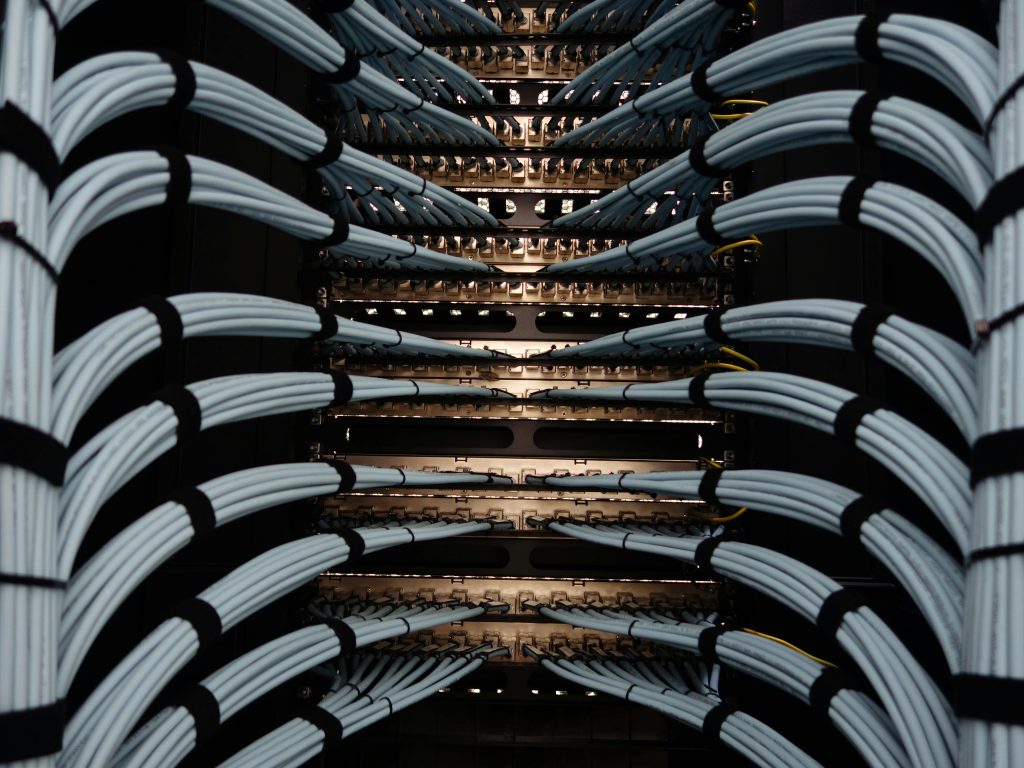
The Ultimate Guide to Structured Cabling Solutions for Businesses. What is Structured Cabling and Why is It Essential for Your Business? Structured cabling is the backbone of your business’s network infrastructure. It’s a standardized system of cables and associated hardware used for data transmission, phone systems, video conferencing, security systems, and more. Unlike traditional point-to-point wiring methods, structured cabling integrates all types of communications into one unified system, ensuring both reliability and flexibility. In today’s rapidly evolving technological landscape, businesses require a network infrastructure that can handle large amounts of data traffic, support multiple applications, and scale as the organization grows. Structured cabling provides the foundation needed to achieve these goals. Key Benefits of Structured Cabling for Businesses 1. Improved Network Performance Structured cabling ensures a high-performance network by reducing downtime and increasing data transmission speeds. By using high-quality cables like Cat 6 and Cat 6a, businesses can handle the increasing demand for faster speeds, higher bandwidth, and seamless connectivity. Investing in a high-speed network cabling system results in enhanced business operations and increased efficiency. 2. Simplified Management A well-organized cabling system enables easy troubleshooting, maintenance, and upgrades. With clear labeling and centralized management, issues can be addressed quickly, saving both time and money in the long run. This organized system also facilitates future upgrades with minimal disruptions. A network installation service provider will help you manage these tasks seamlessly. 3. Cost-Effectiveness Though structured cabling may require an initial investment, it proves to be cost-effective in the long term. By reducing the need for constant maintenance and repairs, businesses can allocate resources to other areas. Additionally, the ability to support multiple technologies and future expansions reduces the need for frequent overhauls. Digital Infotech can optimize this cost-efficiency over time. 4. Scalability Structured cabling is future-proof, allowing your network to scale with the growth of your business. As your organization expands and adds more devices or services, the existing cabling system can support increased capacity without significant modifications or replacements. Choosing scalable network solutions will ensure your business stays ahead of technological advancements. 5. Enhanced Flexibility With structured cabling, you can easily move, add, or change devices in your office. Whether you’re relocating equipment or adding new devices, the cabling infrastructure can accommodate these changes without the need for extensive rewiring. This flexibility is critical in dynamic business environments where change is constant. Components of Structured Cabling Systems 1. Cabling Cabling forms the foundation of your network. Various cable types include: 2. Patch Panels Patch panels are used to connect cables in a structured manner. They organize connections between devices and allow for easy changes without affecting the overall system. Quality patch panels are essential for an organized, high-performing network. 3. Racks and Cabinets Racks and cabinets house the networking equipment and organize cables to prevent tangling and interference. Properly mounting your equipment ensures safety, accessibility, and adequate airflow, which are crucial for maintaining a stable network cabling system. 4. Connectors and Outlets The connectors and outlets are used to connect devices such as computers, phones, and cameras to the network. Quality connectors ensure stable and secure connections that reduce the likelihood of network disruptions. 5. Cable Management Systems These systems help organize and route cables within the infrastructure, preventing tangling and ensuring cables remain easily accessible for maintenance or upgrades. Effective cable management is crucial for network longevity and performance. How to Choose the Right Structured Cabling Company Selecting the right structured cabling company is crucial to ensure a smooth installation process and optimal network performance. Here are a few key factors to consider when choosing a company: 1. Expertise and Experience Ensure the company has a proven track record of successful installations and has experience with the specific requirements of your business. A reputable provider will understand the nuances of different industries and offer tailored solutions. 2. Certifications and Standards Choose a company that adheres to industry standards such as ANSI/TIA-568, ISO/IEC 11801, and others. Certified professionals are more likely to design and implement an efficient, compliant, and future-proof system, ensuring a reliable network infrastructure. 3. Custom Solutions Every business has different needs. The right network cabling system provider should assess your current and future network requirements and offer customized solutions, ensuring that your infrastructure is scalable and can grow with your organization. 4. Support and Maintenance Services Structured cabling require regular maintenance and updates. A reliable company should offer ongoing support, helping your business resolve issues promptly and ensuring minimal downtime. Look for a provider that offers comprehensive business IT support services. 5. Cost Transparency Request a detailed quote upfront to avoid unexpected costs. A trustworthy cabling provider should provide a clear breakdown of all services and materials involved, ensuring no hidden charges. Best Practices for Installing Structured Cabling 1. Proper Planning Proper planning is essential for a successful installation. A detailed site survey should be conducted to understand your building’s layout, the network’s needs, and potential obstacles. This planning phase ensures that the cabling system will accommodate both current and future requirements. 2. Cable Labeling and Documentation Labeling cables properly allows for easier troubleshooting and future upgrades. Create a comprehensive documentation system to record the cable types, their locations, and their connections. This will save time and resources if changes or repairs are required later. 3. Ensure Future-Proofing Design your cabling system with future growth in mind. Ensure that the network can support higher speeds and additional devices in the years to come. Investing in higher-grade cables, such as Cat 6a, can extend the life of your system and minimize the need for costly upgrades in the future. 4. Quality Materials Opt for high-quality cables and components to ensure the reliability and longevity of your system. Cheaper materials may save you money upfront but can lead to poor network performance and costly repairs down the line. 5. Avoid Overcrowding When routing cables through racks and cabinets, ensure that they are not overcrowded. This reduces the risk of overheating and interference, both of which can significantly affect

The Ultimate Guide to Structured Cabling Solutions for Businesses Read More »

pexels cookiecutter 19166565

Structured Cabling Systems Installation & Solutions in the US

Structured Cabling Systems Installation & Solutions in the US. In today’s digital world, businesses depend on efficient, high-speed data transmission, and one of the key components enabling this is structured cabling. This network cabling solution serves as the backbone of communication systems in any building or campus. Structured cabling systems provide a standardized approach for installing, maintaining, and expanding data networks. In this article, we will explore the installation of structured cabling systems, the cabling solutions available, and the key benefits of implementing a reliable network cabling system. What is Structured Cabling? Structured cabling refers to a comprehensive and standardized cabling infrastructure used to support a wide range of communication systems, including voice, data, and video. Unlike traditional wiring systems, which can be disorganized and prone to malfunction, structured cabling systems provide organized network wiring systems that simplify troubleshooting and upgrades. This form of cabling ensures that every device and piece of equipment within a facility is connected efficiently, helping businesses maintain smooth communication flows. Importance of Structured Cabling Systems in Modern Infrastructure As businesses rely more heavily on data, structured cabling systems have become essential. These systems improve network performance by offering greater reliability, high-speed connectivity, and scalability for future growth. With the growing demand for high-speed network cabling, having a professional cabling infrastructure is crucial to meeting the technological needs of businesses, whether they are small offices or large enterprises. Overview of Structured Cabling Systems Definition and Purpose The primary purpose of structured cabling systems is to create a high-performance communication infrastructure within a building or across multiple facilities. These systems use various types of cables like Cat6 cabling or fiber optic cabling to establish a seamless and scalable connection for data transmission. Key Components of Structured Cabling Systems A network cabling setup consists of several key components, each playing an important role in ensuring connectivity and performance: How Structured Cabling Differs from Traditional Wiring Unlike traditional network wiring systems, which may lack organization and scalability, structured cabling follows a consistent and uniform approach that allows businesses to easily manage, upgrade, or expand their networks. This organized cabling infrastructure offers advantages such as easy troubleshooting, minimal downtime, and simplified maintenance. Types of Structured Cabling Solutions Cat5e, Cat6, Cat6a, and Cat7 Cables These are common types of cabling solutions used in structured systems. Cat5e cabling supports speeds up to 1 Gbps, while Cat6 and Cat6a cables offer higher speeds and bandwidth. For businesses requiring faster data transfer, Cat7 cabling solutions can provide even greater performance. Fiber Optic Cabling Solutions Fiber optic cabling is the gold standard for high-speed data transmission over long distances. Its use in data cabling systems is critical for businesses or data centers where data needs to travel quickly and without loss. Fiber optic solutions are ideal for providing the required bandwidth in large-scale operations. Wireless Integration with Structured Cabling While wireless network solutions are becoming more popular, they still rely on structured cabling systems for backhaul data transmission and power over Ethernet (PoE). Incorporating wireless access points (WAPs) into your structured cabling setup ensures that your network is both flexible and robust. Benefits of Structured Cabling Systems Scalability and Flexibility One of the major advantages of structured cabling systems is their scalability. As your business grows, you can easily expand your network infrastructure without significant downtime or complex upgrades. This flexible cabling system makes it simple to integrate new devices and services as needed. Improved Network Performance Structured cabling delivers improved network performance, reducing latency and increasing bandwidth. The use of high-quality cables like Cat6 cabling solutions or fiber optic cables ensures faster data transmission, which is critical for business operations. Cost Efficiency in the Long Run While the initial investment in structured cabling might be higher, businesses save money over time due to reduced maintenance costs, faster troubleshooting, and the ability to easily scale the network as needed. Reduced Maintenance Costs A well-installed structured cabling system is much easier to maintain than traditional systems. The organized nature of structured cabling makes it simple to locate and fix issues, ultimately saving time and reducing repair costs. Key Factors to Consider During Installation Site Survey and Planning Before installation begins, a thorough site survey is essential to understand the building’s layout, the number of devices, and specific network cabling needs. This planning phase is vital to ensure that the cabling system is future-proof and aligns with the business’s evolving needs. Cable Management Best Practices Proper cable management is critical to the success of a network cabling system. Using cable trays, ties, and labeling systems will help maintain an organized infrastructure. Proper management reduces cable damage and improves system reliability. Compliance with Industry Standards Compliance with industry standards such as TIA/EIA-568 ensures that your cabling system meets performance and safety requirements. Adhering to these standards also guarantees that your system is future-proof and can handle growing demands for data speed and capacity. Choosing the Right Equipment and Tools Selecting high-quality cables, connectors, and tools is essential for a successful cabling installation. Ensure that the equipment meets industry standards for performance, ensuring that your network cabling system is reliable and long-lasting. Structured Cabling Installation Process Initial Consultation and Design During the initial consultation, the design of the structured cabling system is created, taking into account the business’s specific needs, network load, and future growth possibilities. This step is essential for ensuring the correct configuration and scalability of the system. Physical Installation Steps Once the design is finalized, the physical installation begins. Network wiring systems are run through walls, ceilings, or floors, while patch panels, jacks, and outlets are strategically placed for easy access and maintenance. Testing and Quality Assurance After installation, comprehensive testing ensures that the cabling system works at peak performance. This includes testing for signal strength, data transfer speeds, and system integrity. Proper testing ensures that your system is ready for use and compliant with performance standards. Post-Installation Support and Maintenance Once the structured cabling system is installed, it requires ongoing support and maintenance. This

Structured Cabling Systems Installation & Solutions in the US Read More »