
Data Centre

Data Centre

Data Centre relocation Services

Data Centre Relocation Services in Ohio.

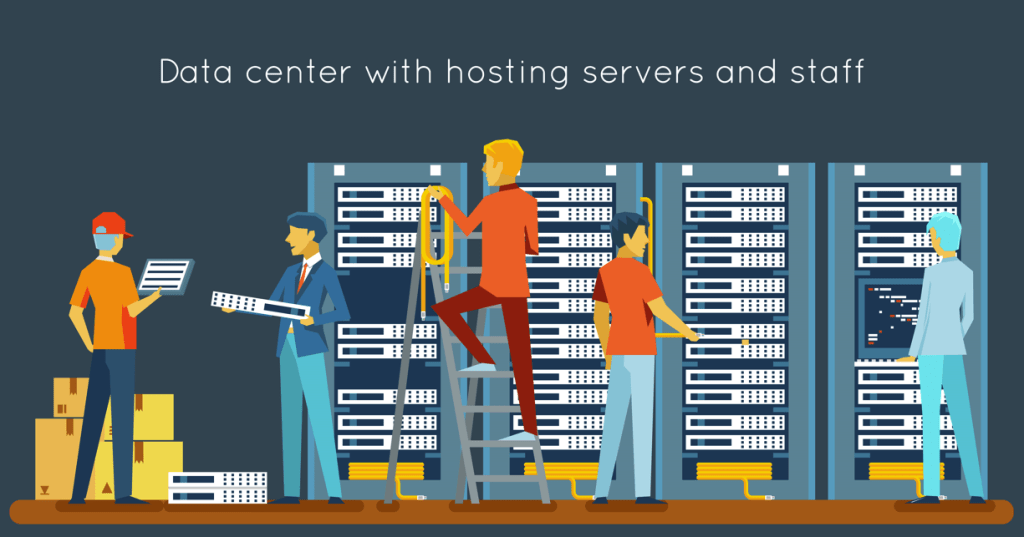
Data Centre Relocation Services in Ohio. This Pic is credit by Freepik (www.freepik.com) IntroductionData centers are critical to the operation of businesses across all industries. They house sensitive information and ensure the seamless operation of IT infrastructure. When the time comes to relocate a data center, whether due to expansion, cost-saving efforts, or the need for a more modern facility, businesses need a trusted partner. Digital Infotech specializes in offering professional data center relocation services in Ohio, ensuring a smooth, secure, and efficient transition. This article will provide an overview of the data center relocation process, the challenges involved, and why Digital Infotech is your best choice for data center migration. Why Data Centre Relocation Matters. A data center move isn’t just about shifting equipment from one place to another—it’s a complex process that involves moving essential IT infrastructure, securing sensitive data, and ensuring minimal disruption to business operations. Whether you’re moving to a new location to reduce operational costs or upgrading to a facility with better connectivity, data center relocation is a critical decision. Key Reasons for Data Centre Relocation Challenges of Data Centre Relocation While the benefits are clear, data center migration comes with several challenges, including: Why Choose Digital Infotech for Data Centre Relocation in Ohio? When it comes to data center relocation in Ohio, Digital Infotech stands out as a trusted partner. We specialize in secure and efficient data center migration for businesses of all sizes. Here’s why you should trust us with your data center relocation: 1. Expert Project Management Relocating a data center involves many moving parts. At Digital Infotech, we provide professional data center relocation planning and management. Our experts work closely with you to develop a tailored migration strategy, ensuring that all aspects of your IT infrastructure are taken care of from start to finish. 2. Secure Data Migration Your business’s data is valuable and sensitive, and ensuring its security during a data center move is critical. We use the latest data encryption methods to securely migrate your data, preventing loss or unauthorized access throughout the migration process. 3. Minimized Downtime At Digital Infotech, we understand that downtime can be costly for businesses. We work to minimize service interruptions by carefully planning and executing the data center migration. Our team ensures that your systems are up and running as quickly as possible, reducing the potential impact on business operations. 4. Equipment and Infrastructure Protection Our team handles your IT equipment with the utmost care. From servers to networking devices, we ensure that all hardware is securely transported to the new facility and installed correctly. Our IT infrastructure relocation services ensure your equipment is safely integrated into the new data center with no risk of damage. 5. Full Compliance and Risk Management We strictly adhere to industry standards and best practices during the data center relocation. Our team ensures that your relocation meets all compliance requirements and that we manage any potential risks, including downtime, data loss, or hardware damage. The Data Centre Relocation Process: A Step-by-Step Guide A successful data center relocation requires careful planning and coordination. Here’s a step-by-step breakdown of how Digital Infotech ensures a smooth migration: 1. Initial Assessment and Planning We begin with a thorough assessment of your existing data center infrastructure and the new facility. We analyze space requirements, network infrastructure, and security needs to develop a detailed relocation plan tailored to your business. 2. Risk Analysis and Mitigation We conduct a comprehensive risk analysis to identify potential issues such as data loss, system downtime, or equipment damage. Based on this analysis, we develop mitigation strategies to minimize risks during the data center migration. 3. Data Backup and Security Before we begin the physical relocation, we ensure that all critical data is securely backed up and encrypted. We use secure methods for data migration to ensure that sensitive information remains protected during the entire process. 4. Physical Equipment Move With everything backed up and secured, we begin the process of physically moving your IT infrastructure. We take care to handle all equipment with caution, ensuring that servers, storage devices, and networking hardware are safely transported to the new data center location. 5. Installation and Setup at the New Location Once the equipment has arrived at the new facility, our team begins the installation and setup. This involves configuring network infrastructure, installing servers, and setting up all necessary systems to ensure that everything functions correctly in the new environment. 6. System Validation and Testing We perform comprehensive tests to validate that your systems are fully operational after the data center migration. Our team ensures that there are no issues with connectivity, performance, or data integrity before the relocation is considered complete. 7. Ongoing Support and Maintenance After the move, we provide post-relocation support to ensure everything continues to run smoothly. We offer ongoing monitoring and maintenance services to keep your IT infrastructure in top condition and address any issues that may arise after the migration. Benefits of Professional Data Centre Relocation Services By choosing Digital Infotech for your data center relocation needs, you gain access to a wide range of benefits: Conclusion Relocating a data center is a significant undertaking that requires expert planning, careful execution, and a focus on security. Digital Infotech offers comprehensive data center relocation services in Ohio, providing end-to-end support to ensure a smooth transition with minimal disruption to your business. Whether you’re expanding, upgrading, or moving to a more cost-effective location, we’ve got you covered. FAQs 1. How long does a data center relocation take?The time required for a data center move depends on the size and complexity of the relocation. On average, it may take anywhere from a few days to several weeks to complete the process. 2. How do you ensure data security during the relocation?We use state-of-the-art encryption and secure data migration methods to ensure that your sensitive information remains protected throughout the data center migration. 3. Will there be downtime during the relocation?While some downtime may be inevitable,

Data Centre Relocation Services in Ohio. Read More »

Designer 30

Best Practices for Data Centre Lift and Shift.

Best Practices for Data Centre Lift and Shift Designed by Freepik www.Freepik.com Introduction When businesses move their data, applications, and workloads from one data centre to another, the process is often referred to as “Lift and Shift.” But what does that actually mean, and why is it such a big deal for organizations? In essence, Lift and Shift is the process of transferring an existing application or workload from an on-premises data centre to a cloud environment or another data centre with minimal changes to the application itself. This method allows businesses to rapidly move without making any drastic changes to their infrastructure or operations. In this article, we will explore the best practices for executing a successful Data Centre Lift and Shift, focusing on how to streamline the migration process, mitigate risks, and ensure the move is both efficient and cost-effective. Understanding the Lift and Shift Process Defining Lift and Shift Lift and Shift is essentially the “lift” of your data, applications, and workloads from one environment and “shifted” to another. Often, businesses adopt this approach when they want to move to a new infrastructure, such as a cloud platform, without changing the core functionality of their applications. While this approach offers speed and simplicity, it’s essential to carefully evaluate the pros and cons. Common Scenarios for Lift and Shift in Data Centres Organizations usually opt for Lift and Shift in various scenarios: Planning Your Data Centre Lift and Shift Assessing Your Current Infrastructure Before making any decisions, it’s crucial to assess your current infrastructure thoroughly. This step involves evaluating the hardware, software, network capabilities, and security protocols that support your existing data centre. Understanding your current environment helps you determine which components are ripe for migration and which ones need to be updated or replaced. Setting Clear Objectives for the Move It is important to have clear understanding why are you moving your data centre? Whether it’s to reduce costs, increase flexibility, or take advantage of cloud computing benefits, setting specific objectives helps shape the migration strategy and keeps teams aligned throughout the process. Identifying Critical Applications and Data Not all applications and data are created equal. During the Lift and Shift process, identifying which applications and data are mission-critical is essential. These components should be prioritized to ensure minimal disruption to business operations. Selecting the Right Lift and Shift Strategy Lift and Shift vs. Replatforming While Lift and Shift is all about moving applications as-is, there’s also an option to “replatform” or re-architect your workloads for better performance in the cloud. The key difference between these two strategies is that replatforming involves making modifications to the application, while Lift and Shift keeps the application structure largely unchanged. Choosing the Right Tools and Technologies Leveraging the right migration tools and technologies is a key factor in a successful Lift and Shift. There are many automated migration tools available that help streamline the process, reduce the risk of errors, and ensure a smoother transition. Research and choose tools that fit your organization’s specific needs. Key Considerations Before You Begin Infrastructure Readiness Ensure that your new environment (whether on-premises or cloud) is prepared for the workloads you’re transferring. This involves checking storage capacities, network bandwidth, and ensuring your infrastructure can handle the increased demands. Compliance and Security Concerns When moving sensitive data, compliance with industry standards and regulations like GDPR or HIPAA is critical. Implement security measures such as data encryption and access controls to protect sensitive information during migration. Resource Allocation Migration projects can be resource-intensive. Ensure that you have the necessary manpower, tools, and expertise to handle the migration effectively. This includes IT staff, external consultants, and training resources. Executing the Lift and Shift Process Steps Involved in Moving Applications and Data Once the planning phase is complete, the actual process involves transferring data and applications from the old environment to the new one. This typically involves using automated tools to move data, followed by testing to ensure everything works as expected in the new environment. Data Backup and Disaster Recovery Measures Backup strategies are crucial during the migration process. Data loss is one of the biggest risks, and having an effective disaster recovery plan ensures business continuity in case something goes wrong. Testing and Validation It is important to do thorough testing once activity is completed. Testing the functionality of applications, data integrity, and security protocols ensures that everything has been successfully transferred without any issues. Post-Migration Tasks Performance Monitoring and Optimization After the migration, it’s important to monitor system performance. Performance optimization techniques such as load balancing, auto-scaling, and adjusting network settings help ensure your new environment operates at its best. Staff Training and Knowledge Transfer Ensure that staff are trained to handle the new environment. Providing adequate training helps mitigate the learning curve and ensures that staff can manage the new infrastructure effectively. Handling Post-Migration Issues It’s common to face post-migration issues, such as performance glitches or user access problems. A proactive approach to resolving these issues ensures minimal disruption. Benefits of Data Centre Lift and Shift Cost Savings One of the most significant benefits of Lift and Shift is the potential for cost savings. By migrating workloads to the cloud or a new data centre, organizations can reduce hardware and maintenance costs. Increased Flexibility and Scalability Cloud environments offer greater flexibility and scalability compared to traditional data centres. With Lift and Shift, businesses can take advantage of these features, scaling resources up or down as needed. Reduced Time to Market The simplicity of Lift and Shift allows businesses to migrate quickly, helping reduce time to market for new applications or services. Challenges in Data Centre Lift and Shift Downtime and Service Interruptions One of the most significant challenges during migration is minimizing downtime. While Lift and Shift aims for minimal disruption, it’s essential to plan for potential service interruptions. Data Integrity Risks There’s always a risk that data could be corrupted or lost during migration. Implementing backup and validation measures is key to

Best Practices for Data Centre Lift and Shift. Read More »

Best Practices for Data Security in Data Centre Migrations.

Best Practices for Data Security in Data Centre Migrations. Data centre migration is a complex process that requires careful planning and execution to ensure the security of sensitive information. At Digital Infotech, we understand that data security is paramount during a data centre migration. Our team has developed a set of best practices to safeguard your data and maintain compliance with industry standards. In this guide, we’ll walk you through the top best practices for ensuring data security during your data centre migration. 1. Develop a Comprehensive Security Strategy Why It Matters A well-defined security strategy is the foundation of a successful data centre migration. It helps identify potential risks, outline protective measures, and establish a framework for managing data security throughout the migration process. Key Components Best Practice Example At Digital Infotech, we start each migration project with a comprehensive security strategy that includes detailed risk assessments and the development of robust security policies. We work closely with stakeholders to ensure that all security objectives are met. 2. Implement Data Encryption Techniques Why It Matters Data encryption protects sensitive information from unauthorized access during the migration process. Encrypting data both in transit and at rest is essential for safeguarding against potential breaches and ensuring compliance with data protection regulations. Key Techniques Best Practice Example Digital Infotech employs advanced encryption techniques, including TLS for data in transit and AES for data at rest. We also implement best practices for key management to ensure the security of encryption processes. 3. Ensure Robust Access Controls Why It Matters Effective access controls are crucial for protecting data from unauthorized access during the migration. Implementing strict access controls helps ensure that only authorized personnel can access or handle data. Key Practices Best Practice Example At Digital Infotech, we implement role-based access controls and adhere to the principle of least privilege. Our access auditing practices ensure that data access is monitored and reviewed regularly. 4. Conduct Regular Security Audits and Vulnerability Assessments Why It Matters Regular security audits and vulnerability assessments help identify weaknesses in your data centre environment and ensure that security measures are effective. Key Activities Best Practice Example Digital Infotech conducts thorough security audits and vulnerability assessments as part of our data centre migration projects. We use advanced tools and techniques to identify and address potential security issues. 5. Establish a Comprehensive Incident Response Plan Why It Matters An incident response plan provides a structured approach for managing and responding to security incidents during the migration process. Having a plan in place ensures that you can quickly and effectively address any issues that arise. Key Components Best Practice Example Digital Infotech develops detailed incident response plans for our data centre migration projects. Our plans include incident handling procedures, a designated response team, and a communication strategy for reporting and addressing incidents. 6. Test the New Environment for Security and Performance Why It Matters Testing the new data centre environment ensures that all security measures are effective and that the environment meets performance and functionality requirements. Key Activities Best Practice Example At Digital Infotech, we conduct comprehensive security and performance testing in the new data centre environment. Our user acceptance testing ensures that all systems are functioning as expected before the final cutover. 7. Maintain Ongoing Monitoring and Support Why It Matters Ongoing monitoring and support are essential for maintaining data security and addressing any issues that arise after the migration. Key Activities Best Practice Example Digital Infotech offers continuous monitoring and support services to ensure that your data centre environment remains secure and performs optimally after the migration. We provide timely incident response and issue resolution. Conclusion Ensuring data security during a data centre migration requires careful planning, effective implementation of security measures, and ongoing monitoring. By following these best practices—developing a comprehensive security strategy, implementing encryption techniques, ensuring robust access controls, conducting regular audits, establishing an incident response plan, testing the new environment, and maintaining ongoing support—you can achieve a secure and successful data centre migration. At Digital Infotech, we bring extensive experience and expertise to every data centre migration project. Our team is dedicated to protecting your data and ensuring a smooth, secure transition to your new data centre environment. Ready to Start Your Data Centre Migration? If you’re preparing for a data centre migration and need expert guidance on data security, contact Digital Infotech today. Our team of specialists is here to help you navigate the complexities of data centre migration and achieve your IT goals. Get in Touch | Learn More About Our Data Centre Services

Best Practices for Data Security in Data Centre Migrations. Read More »

Top 5 Strategies for a Successful Data Centre Migration.

Top 5 Strategies for a Successful Data Centre Migration. Data centre migration is a critical project for many organizations looking to enhance performance, reduce costs, and future-proof their IT infrastructure. At Digital Infotech, we understand the complexities involved in moving data centre operations and have developed best practices to ensure success. Here are our top five strategies for a successful data centre migration that can help your organization achieve a seamless transition. 1. Thorough Planning and Assessment Why It Matters A successful data centre migration begins with comprehensive planning and assessment. This initial phase is crucial for understanding the current environment, identifying potential risks, and developing a strategic plan that aligns with your business objectives. Key Activities Best Practice Example Digital Infotech starts by conducting a detailed discovery phase, involving workshops with stakeholders to map out the current environment and define migration goals. This thorough approach helps us anticipate challenges and streamline the migration process. 2. Adopt a Phased Migration Approach Why It Matters A phased migration approach allows for a structured and controlled transition from the old data centre to the new one. It minimizes risks and ensures that each component of the data centre is moved and tested systematically. Key Activities Best Practice Example At Digital Infotech, we use a phased migration approach that includes a pilot phase to test the migration strategy and ensure that all systems work as expected before proceeding to full-scale implementation. 3. Implement Robust Data Security Measures Why It Matters Data security is paramount during a data centre migration. Protecting sensitive information from unauthorized access and ensuring compliance with regulations are critical for a successful migration. Key Activities Best Practice Example Digital Infotech employs advanced encryption technologies and conducts regular security audits during the migration process to ensure that all data remains secure and compliant with regulations. 4. Conduct Comprehensive Testing and Validation Why It Matters Testing and validation are essential to confirm that the new data centre environment meets performance, security, and functionality requirements. Thorough testing helps identify issues before the final cutover. Key Activities Best Practice Example At Digital Infotech, we conduct rigorous performance and functionality testing during the migration process. We also perform user acceptance testing to ensure that the new environment meets all user requirements and expectations. 5. Maintain Effective Communication and Collaboration Why It Matters Effective communication and collaboration between all stakeholders are crucial for a successful data centre migration. It ensures that everyone involved is informed, aligned, and ready to address issues as they arise. Key Activities Best Practice Example Digital Infotech emphasizes transparent communication and collaboration throughout the migration project. We use project management tools and regular meetings to keep all stakeholders informed and engaged. WHY DIGITAL INFOTECH A successful data centre migration requires careful planning, a structured approach, and effective execution. By adopting these top five strategies—thorough planning and assessment, a phased migration approach, robust data security measures, comprehensive testing, and effective communication—you can achieve a seamless and successful data centre migration. At Digital Infotech, we are experts in managing complex data centre migrations. Our proven methodologies and dedicated team ensure that your migration project is completed on time, within budget, and with minimal disruption to your business operations. Ready to Migrate? If you’re planning a data centre migration and need expert assistance, contact Digital Infotech today. Our experienced team is here to help you navigate the complexities of data centre migration and achieve your IT goals. Get in Touch | Learn More About Our Data Centre Services

Top 5 Strategies for a Successful Data Centre Migration. Read More »

Data Centre Lift and Shift for Pharma Client.

Data Centre Lift and Shift for Pharma Client. Introduction Client Overview: Our client, a leading US-based pharmaceutical company, specializes in the research, development, and commercialization of innovative therapies for a wide range of medical conditions. With a global presence and a commitment to improving patient outcomes, the client needed a robust IT infrastructure to support its critical business operations and regulatory compliance requirements. Project Overview: Digital Infotech was tasked with executing a comprehensive data centre lift and shift project for the client. The objective was to migrate their legacy data centre operations to a modern, more efficient data centre environment while ensuring minimal disruption to business processes and maintaining the highest standards of data integrity and security. Challenges 1. Outdated Infrastructure: The client’s existing data centre infrastructure was aging and no longer met the performance, scalability, and security requirements for their growing business needs. This outdated infrastructure also posed risks related to system failures and high operational costs. 2. Regulatory Compliance: As a pharmaceutical company, the client was subject to stringent regulatory requirements, including FDA guidelines and HIPAA regulations. The data centre migration had to adhere to these regulations to ensure compliance and avoid any potential legal issues. 3. Complex Environment: The client’s IT environment was complex, with numerous applications, databases, and interconnected systems. Migrating these components without affecting ongoing business operations required meticulous planning and coordination. 4. Downtime Minimization: Minimizing downtime was crucial to avoid disruptions to critical business operations, including research and development processes, which could lead to significant financial losses and impact patient care. 5. Data Security: Ensuring the security of sensitive data during the migration process was a top priority. The client’s data included confidential research information and personal health records that required protection from unauthorized access and potential breaches. Solutions 1. Comprehensive Assessment and Planning: Digital Infotech initiated the project with a thorough assessment of the existing data centre infrastructure. This involved inventorying all hardware, applications, and data, as well as identifying dependencies and potential risks. A detailed migration plan was developed, including a phased approach to address the complexities of the client’s IT environment. 2. Compliance and Security Measures: To ensure regulatory compliance and data security, Digital Infotech implemented best practices for data protection and adhered to industry standards. This included encrypting data in transit, performing regular security audits, and ensuring that the new data centre met all relevant regulatory requirements. 3. Phased Migration Approach: The migration was executed in phases to minimize disruption and manage risks effectively. This approach included pre-migration testing, pilot migrations, and scheduled cutovers to ensure a smooth transition. Key phases included: 4. Advanced Monitoring and Testing: Advanced monitoring tools were employed to track the performance of systems throughout the migration process. Rigorous testing was conducted to ensure that all systems met performance and security benchmarks before the final cutover. 5. Stakeholder Communication: Regular communication with stakeholders was maintained throughout the project to provide updates, manage expectations, and address any concerns. This ensured that all parties were informed and aligned with the project objectives. Results 1. Successful Migration: The data centre migration was completed on time and within budget, meeting all project milestones and objectives. The phased approach allowed for a smooth transition with minimal disruption to the client’s operations. 2. Improved Infrastructure: The new data centre environment provided enhanced performance, scalability, and reliability. The updated infrastructure supported the client’s current needs and was scalable for future growth. 3. Regulatory Compliance Achieved: The migration process adhered to all regulatory requirements, ensuring that the client remained compliant with FDA and HIPAA regulations. This helped the client avoid potential legal and financial repercussions. 4. Enhanced Data Security: Data security was significantly improved in the new environment, with advanced encryption, regular security audits, and robust access controls. This ensured that sensitive data was protected throughout the migration process. 5. Increased Efficiency and Cost Savings: The modernized data centre environment led to increased operational efficiency and cost savings. The client experienced reduced maintenance costs, improved system performance, and a more efficient IT infrastructure. 6. Positive Client Feedback: The client expressed high satisfaction with the project’s outcome, noting Digital Infotech’s professionalism, expertise, and commitment to delivering a successful migration. Client Testimonial “Digital Infotech exceeded our expectations with their expert handling of our data centre lift and shift project. Their meticulous planning, thorough execution, and unwavering focus on compliance and security ensured a smooth transition to our new data centre environment. We are pleased with the results and appreciate their partnership throughout this critical project.”— Director of IT Operations, US Pharma Client The data centre lift and shift project for the US pharmaceutical client was a resounding success, thanks to Digital Infotech’s strategic approach, technical expertise, and dedication to meeting the client’s needs. The project not only achieved its objectives but also set the stage for future growth and innovation for the client. For more information on our data centre services and other case studies, please visit Digital Info

Data Centre Lift and Shift for Pharma Client. Read More »

End to End Data Centre Migration Case Study

End to End Data Centre Migration Case Study Designed by Freepik (www.freepik.com) Introduction: Digital Infotech, a prominent IT services provider based in the UK, partnered with a leading retail services client to undertake a comprehensive data center migration project. The initiative aimed to modernize infrastructure, improve operational efficiency, and enhance service delivery capabilities. This detailed report outlines the methodology, challenges, and outcomes of the migration process from pre-audit assessments through to post-audit validations. Client Background: The retail services client, operating a network of stores across the UK, faced challenges with aging on-premises infrastructure that hindered scalability and posed risks to data security and compliance. Digital Infotech was engaged to facilitate a seamless transition to a cloud-based environment while ensuring minimal disruption to daily operations. Project Scope and Objectives: The objectives of the data center migration project included: Methodology: Challenges and Solutions: Outcomes: Digital Infotech successfully executed a complex data center migration project for its UK-based retail services client, delivering tangible benefits in scalability, cost efficiency, and operational resilience. By adopting a structured approach from pre-audit assessments through to post-audit validations, the project exemplifies best practices in IT transformation and underscores Digital Infotech’s commitment to driving innovation and value for its clients in the retail sector.

End to End Data Centre Migration Case Study Read More »

ai generated 7958880 1280

Data Centre Migration Case Study for BFSI Client.

Data Centre Migration Case Study for BFSI Client. Client Overview: Digital Infotech partnered with a prominent multinational BFSI client looking to modernize its IT infrastructure to enhance scalability, improve operational resilience, and ensure stringent regulatory compliance across its banking, financial services, and insurance operations. Project Objectives: The BFSI client sought to: Migration Approach: Challenges and Solutions: Outcomes: Digital Infotech successfully executed a complex data center migration project for its BFSI client, achieving significant improvements in scalability, operational efficiency, and regulatory compliance. By adopting a strategic approach from assessment through to post-migration validation, Digital Infotech demonstrated its expertise in driving transformative IT solutions for clients in the financial services sector.

Data Centre Migration Case Study for BFSI Client. Read More »