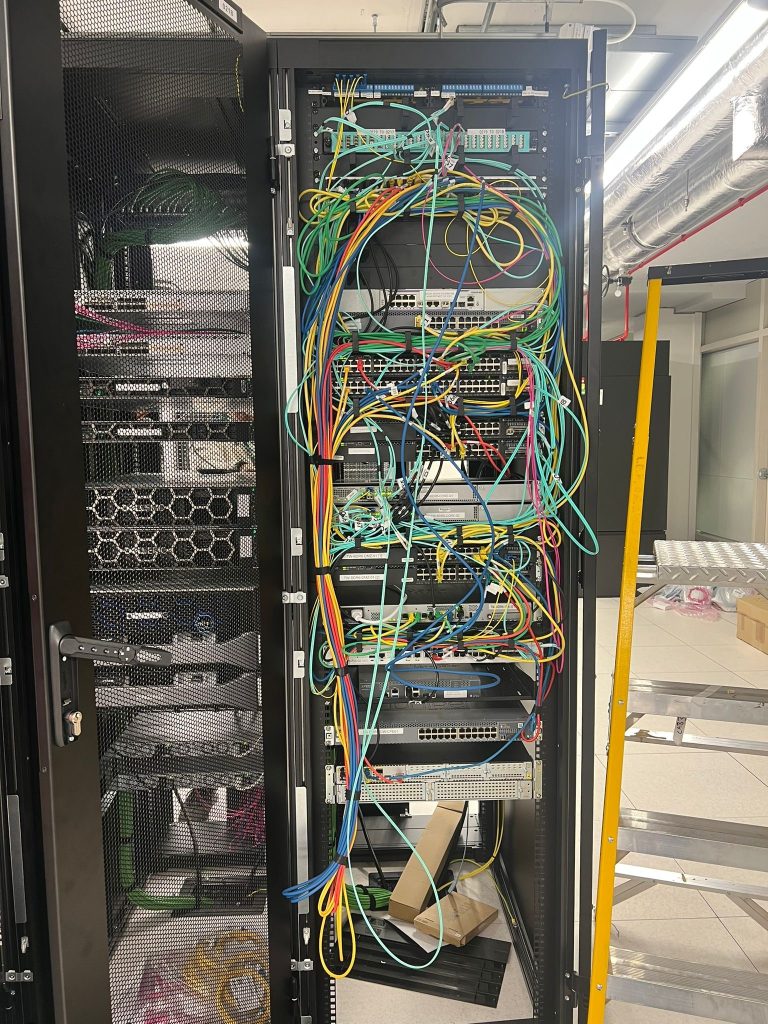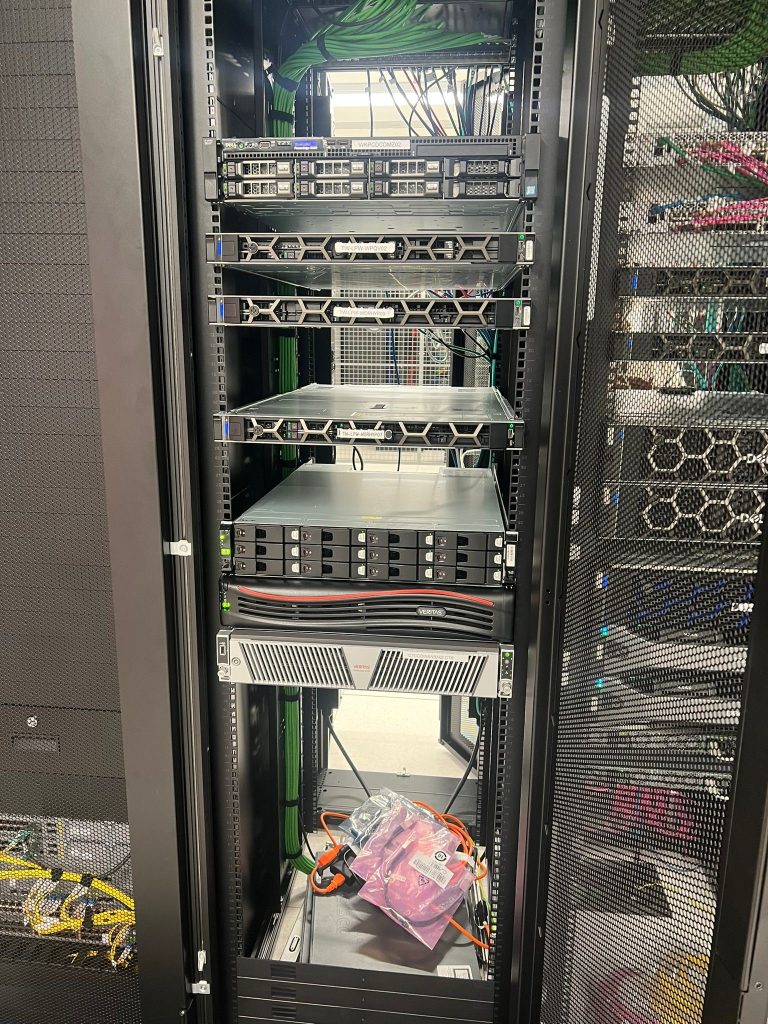
Data Centre

Data Centre

Data Center Relocation services

Best Data Center Relocation Company: Why Digital Infotech Leads in Data Center Solutions

Best Data Center Relocation Company: Why Digital Infotech Leads in Data Center Solutions Data center relocation is a complex and high-stakes process that requires precision and expertise. Whether your business is upgrading its IT infrastructure, moving to a more secure facility, or simply seeking cost savings, choosing the best data center relocation company is essential to ensure a smooth transition with minimal disruptions. Introduction: Why Data Center Relocation Is Critical for Your Business Success A reliable relocation service provider doesn’t just move hardware; they ensure the integrity of your critical data, optimize infrastructure setups, and provide end-to-end support throughout the entire process. In this guide, we’ll explore the best data center relocation services available, with a special focus on Digital Infotech, a trusted leader in the industry that excels in not only relocation but also expertise in structured cabling, backbone cables, intra-rack cabling, and rack installations. 1. What Is Data Center Relocation? Data center relocation refers to the process of physically moving an organization’s servers, networking equipment, storage systems, and other IT infrastructure from one facility to another. This transition is essential for businesses looking to upgrade their infrastructure, increase security, or optimize operational efficiency. The process requires expertise in handling sensitive hardware, ensuring that minimal downtime occurs, and that all equipment is properly configured and secured in the new environment. 2. Why You Need a Top Data Center Relocation Service Provider A successful data center move doesn’t just happen overnight. It requires a comprehensive approach that ensures business continuity, data security, and an optimal setup in the new location. Here’s why choosing the best relocation company, such as Digital Infotech, is vital: 2.1 Minimized Downtime Downtime during a data center relocation can significantly impact business operations, customer satisfaction, and revenue. Leading data center relocation companies, including Digital Infotech, focus on minimizing downtime by conducting detailed planning and executing moves in phases. 2.2 Enhanced Security and Data Integrity Security during the relocation of sensitive data is paramount. The best companies implement strict protocols, including encrypted transport, secure data access controls, and reliable disaster recovery strategies to safeguard all business-critical data during the move. 2.3 Cost-Effective Solutions The right relocation partner helps minimize costs by reducing inefficiencies, optimizing resource use, and ensuring that the move is completed in a timely manner. Digital Infotech provides transparent pricing and tailored solutions that meet your business’s needs. 2.4 Future-Ready Infrastructure Businesses grow and evolve, and your IT infrastructure should be able to scale accordingly. The best data center relocation companies, including Digital Infotech, offer scalable solutions that align with your future growth goals. 3. Comprehensive Services for Data Center Relocation The best data center relocation companies don’t just move servers—they offer a wide range of services to ensure a seamless transition. These services typically include: 3.1 Structured Cabling Expertise Structured cabling is the backbone of any data center. A top-tier data center relocation service provider should have deep expertise in designing, installing, and optimizing structured cabling systems. These systems provide the physical infrastructure needed for high-speed data transmission and reliable connections within your data center. Digital Infotech specializes in designing and deploying high-quality structured cabling solutions that are tailored to your business’s requirements, ensuring a flexible and future-proof infrastructure. 3.2 Backbone Cable Installation Backbone cabling is essential for connecting different areas of the data center. It supports high-bandwidth data transfer across your entire IT infrastructure. The best providers understand how to handle backbone cable installation with precision, ensuring minimal interference and high performance. Digital Infotech has extensive experience in installing and optimizing backbone cables to support both internal and external connectivity. 3.3 Intra-Rack Cabling Solutions Efficient intra-rack cabling is vital for ensuring clean, organized, and efficient cabling within each rack in the data center. Poor cable management can cause overheating, downtime, and difficulties during maintenance. Digital Infotech offers expert intra-rack cabling solutions, ensuring that cables are properly managed to optimize airflow and ensure your data center runs smoothly. 3.4 Rack Installations and Setup The physical setup of your racks is a critical part of any data center move. Proper rack installations are crucial for optimal airflow, cooling, and space optimization. Digital Infotech offers expert rack installations that include everything from proper cable management to ensuring that all hardware is securely mounted and connected for efficient operation. 4. How to Choose the Right Data Center Relocation Company Selecting the best data center relocation company is crucial to the success of your move. Below are some key factors to consider when evaluating potential service providers: 4.1 Expertise in IT Infrastructure and Systems Ensure that the company has expertise in all areas of IT infrastructure, including structured cabling, network design, and hardware installations. Digital Infotech has extensive experience with all aspects of data center relocation, making them a comprehensive and reliable partner for your move. 4.2 Experience with Complex Relocations Data center relocations can be complex, especially if you’re managing a large-scale operation or transitioning to a more advanced infrastructure. Choose a company that has a proven track record of managing large and complex projects. Digital Infotech has successfully relocated many data centers, regardless of size, complexity, or industry. 4.3 Security and Compliance Measures Given the importance of data security, select a company that has robust security protocols in place. They should also adhere to industry-specific compliance standards. Digital Infotech employs advanced security measures, including encryption and secure access controls, to protect your data during the relocation process. 4.4 Customer Support and Service Top-tier relocation companies provide ongoing support throughout the process and after the move. You need a partner who can help resolve any post-relocation issues and ensure that your systems are optimized. Digital Infotech offers 24/7 customer support, ensuring that any issues are addressed immediately. 4.5 Transparent Pricing Relocation costs can vary, but the best companies provide transparent pricing with no hidden fees. Digital Infotech offers detailed, upfront cost estimates and works within your budget to deliver cost-effective relocation solutions. 5. Why Digital Infotech Is the Best Data Center Relocation Company. Digital Infotech stands

Best Data Center Relocation Company: Why Digital Infotech Leads in Data Center Solutions Read More »

Network cabling

Key Challenges in Data Center Relocation for U.S. Companies in 2025

Key Challenges in Data Center Relocation for U.S. Companies in 2025 Pic credit and download from freepik (www.freepik.com) Data center relocation is a significant and complex project for many U.S. companies. While it offers various benefits such as improved efficiency and scalability, the process comes with its own set of challenges. From minimizing downtime to addressing data security concerns, companies face multiple obstacles when moving their data centers. In this article, we will explore the key challenges in data center relocation and provide practical solutions to ensure a smooth and successful transition. Understanding Data Center Relocation Before diving into the challenges, it’s crucial to understand what data center relocation entails. Simply put, data center relocation involves moving a company’s entire infrastructure—hardware, software, and data storage—from one physical location to another. Companies may relocate their data centers for reasons such as upgrading facilities, reducing costs, or preparing for future growth. However, the migration of a data center is no small feat, requiring careful planning and execution to avoid disruptions to business operations. Challenge #1: Minimizing Downtime in Data Center Relocation One of the major challenges in data center relocation is minimizing downtime. During the move, it’s vital to ensure business continuity as any interruption can lead to lost revenue and damaged reputations. Downtime is often inevitable during migration, but minimizing it should be a top priority. To reduce downtime, companies can take a phased approach to data center migration, migrating systems in incremental steps rather than all at once. Leveraging cloud solutions as a temporary backup during the move can help maintain operations. Additionally, a solid disaster recovery plan should be in place to prevent significant data loss or business disruption. Digital Infotech, a leader in IT solutions, can assist in reducing downtime by providing expertise in cloud integration, helping businesses stay operational while the migration occurs. Challenge #2: Addressing Data Security in Data Center Migration Another crucial concern during data center relocation is data security. When transferring sensitive data across multiple locations, the risk of data breaches or losses increases significantly. Ensuring that data remains secure during the move is non-negotiable. To protect data during migration, companies must implement strong encryption methods, use secure data transfer protocols, and perform frequent audits throughout the process. Employing third-party experts in data security and data center migration can further safeguard sensitive information and ensure compliance with regulations such as HIPAA, GDPR, and PCI DSS. Digital Infotech can provide cutting-edge cybersecurity solutions, including real-time monitoring, vulnerability assessments, and tailored data protection strategies, ensuring that data remains secure during the entire relocation process. Challenge #3: Cost Management in Data Center Relocation The financial aspect of data center relocation often becomes one of the most challenging areas. Hidden costs such as infrastructure upgrades, equipment replacement, and unexpected downtime can quickly add up. Therefore, effective cost management is essential for any successful data center move. Companies must account for both direct costs (such as relocation services, labor, and equipment) and indirect costs (such as the impact of downtime on productivity). It’s also advisable to assess the total cost of ownership (TCO) of the new data center location, considering long-term savings such as reduced energy consumption and operational efficiency. A clear budgeting plan and careful cost forecasting will prevent financial surprises. Digital Infotech offers advanced IT cost management services that can help optimize your data center relocation budget, offering cost-effective solutions that align with your financial goals. Challenge #4: Data Center Infrastructure Compatibility One of the most technical challenges companies face during data center relocation is ensuring infrastructure compatibility at the new location. A new data center may feature different hardware, network setups, or power configurations, which could lead to performance issues. To overcome this challenge, companies must conduct a comprehensive site evaluation of the new data center before relocating any systems. Assessing the new location’s power capacity, networking infrastructure, and cooling systems is critical for ensuring that everything integrates smoothly. Additionally, upgrading existing equipment to match the new location’s standards may be necessary. Digital Infotech offers consulting services that assess and streamline the compatibility of infrastructure across various data centers, ensuring a seamless integration and optimal performance. Challenge #5: Scaling Data Center for Future Growth Relocation is often an opportunity to scale the data center for future growth. However, planning for scalability is easier said than done. Companies must ensure that the new data center can accommodate future expansion in terms of storage, bandwidth, and computing power. Future-proofing your data center infrastructure involves assessing your company’s long-term business goals and IT needs. By building the infrastructure with future growth in mind, companies can avoid the need for costly expansions or modifications down the line. Digital Infotech can assist in this process by offering cloud-based scalable solutions and virtualization technologies that enable seamless expansion as business needs evolve. Challenge #6: Compliance and Regulatory Requirements U.S. companies face a range of regulations that govern the storage and transfer of data, including HIPAA, GDPR, and PCI DSS. During a data center relocation, companies must ensure they continue to meet compliance standards, especially when moving data across state or international lines. Failure to maintain compliance during the move can result in legal issues, fines, and loss of trust. It’s important to work closely with legal and compliance experts to ensure that all regulatory requirements are met during the migration process. This includes conducting audits, obtaining necessary certifications, and implementing robust data protection measures. Digital Infotech offers regulatory compliance consulting that can ensure your data center relocation adheres to industry standards and regulations, reducing the risk of compliance violations. Challenge #7: Vendor Management in Data Center Relocation Managing vendors is another challenge during data center migration. Companies often work with multiple service providers for different aspects of the relocation, including hardware installation, security, and IT services. Coordinating between these vendors can become complex, especially if deadlines or project scopes change. To streamline vendor management, companies should establish clear lines of communication and define roles and responsibilities upfront. A project management tool

Key Challenges in Data Center Relocation for U.S. Companies in 2025 Read More »

Designer 30

Step-by-Step Guide to Successful Data Center Relocation in the US

Step-by-Step Guide to Successful Data Center Relocation in the US Relocating a data center is no easy feat, but it’s often necessary for businesses looking to scale their operations, upgrade infrastructure, or reduce costs. Whether you’re moving to a new facility or transitioning to a more energy-efficient, strategically located data center, a well-planned move can make all the difference. The importance of data center relocation planning cannot be overstated—successful execution means minimal downtime and continuity of operations.In this step-by-step guide to successful data center relocation, we will walk you through the process of planning, executing, and optimizing your data center move. We’ll highlight the best practices for minimizing downtime, securing your data, and ensuring the infrastructure is set up for optimal performance at the new site. Understanding the Complexity of Data Center Relocation A data center move is complex because it involves not just physical relocation but also network and IT infrastructure setup. You’re not only moving servers and hardware but also ensuring that your entire network remains functional. IT infrastructure relocation needs to be carefully coordinated to ensure smooth connectivity and minimize disruptions. Key Challenges in Data Center Moves From downtime risks to managing network redundancy, the complexities of the move include not only physical logistics but also careful handling of sensitive data. It’s crucial to implement a solid backup and disaster recovery plan during your relocation. Common Mistakes to Avoid Avoid common pitfalls like overlooking the importance of data protection or failing to test systems before fully deploying them. A data center relocation checklist can guide you through this to minimize risks. Pre-Relocation Planning Planning your data center move is a critical step in ensuring success. It’s important to assess your current setup, define the requirements of the new facility, and identify any potential risks to your operations. Here’s how to get started: Assessing Your Current Data Center Needs Before deciding on a new location, evaluate your existing data center infrastructure and operations. Identify what works and what needs to be replaced or upgraded. This will help you define the technical specifications for your new facility. Defining Your New Data Center Requirements Every data center relocation is unique, and it’s important to tailor the new setup to your needs. Consider aspects like energy-efficient solutions, network redundancy, and the type of connectivity you require at the new location. Timeline and Budget Considerations Create a timeline for the move, keeping in mind potential delays and the complexities of installing new systems. Be sure to budget for new equipment, external relocation experts, and possible downtime during the transition. Choosing the Right Location One of the most important decisions during your data center move is selecting the right location. This decision can influence your future operations, so consider the following factors: Factors to Consider When Selecting a New Location Proximity to your company headquarters, access to skilled labor, and the geographical risk of natural disasters are essential considerations. Make sure that the new location is well-connected, has reliable power supply, and offers favorable local regulations for your industry. Infrastructure Requirements Ensure that the new facility is equipped with the necessary infrastructure for your operation, such as high-speed fiber-optic connections, redundant power, and secure network connectivity. Local Regulations and Legal Considerations Each state has its own rules, particularly when it comes to data protection laws. Be sure to check whether your new location is compliant with industry standards and regulatory requirements. Assembling the Right Team A successful data center relocation requires a well-organized team. Decide whether your internal team can handle the job, or if you’ll need to hire an expert relocation consultant or specialized server transport services. Internal Team vs. External Partners Internal teams may handle some tasks, but external consultants can streamline the process, offering specialized knowledge and resources. Engaging experts can save time and reduce the chance of mistakes. Roles and Responsibilities of Each Member Clearly define who will manage the move, oversee operations, and provide communication with stakeholders. Consider hiring a dedicated project manager to ensure everything stays on track. Hiring a Relocation Specialist or Consultant Relocation specialists can help with everything from network redundancy to physical transport, ensuring that everything runs smoothly on moving day. They also have access to high-quality tools for the job. Data Backup and Disaster Recovery Plan Having a solid data backup strategy is vital for protecting your business-critical data during the relocation process. If your data is compromised or lost, it could result in major disruptions. Importance of Data Protection During the Move Throughout the entire relocation process, implement robust backup measures. Use off-site backup services or cloud storage to ensure you don’t lose critical data during the move. Creating a Robust Backup Strategy Off-site backups, especially cloud-based solutions, are essential during data center relocation. Make sure that your data is always safe and easily restorable. Testing Your Backup Systems Test your backup systems regularly to ensure they’re fully functional. This will help avoid data loss if something goes wrong during the physical relocation. Network and Connectivity Considerations When relocating a data center, ensuring network connectivity is uninterrupted is crucial to business continuity. Ensuring Network Redundancy To minimize disruptions, ensure redundant networks are in place. Having multiple pathways for data and communication means that if one system fails, another can take over immediately. Choosing the Right Service Providers Select service providers that offer high-performance and reliable connectivity options. Look for partners with a proven track record in handling data center connectivity and network redundancy. Connectivity Testing and Optimization Before making the switch to the new facility, perform extensive connectivity testing. Ensure that your servers are communicating efficiently, and test your network infrastructure to identify any bottlenecks. Server and Equipment Preparation Preparing your equipment for relocation is an essential part of the move. A well-organized and efficient transport process will minimize the risk of hardware damage. Categorizing and Labeling Equipment Make sure that all equipment is properly labeled and categorized, so you can track it during the move and easily reassemble everything at

Step-by-Step Guide to Successful Data Center Relocation in the US Read More »

smart hand programme

Top 5 Challenges in Data Center Rack and Stack Setup and How to Overcome Them.

Top 5 Challenges in Data Center Rack and Stack Setup and How to Overcome Them. Setting up a data center requires careful planning, technical expertise, and an eye for detail. One of the most crucial components in this process is the rack and stack setup. The term “rack and stack” refers to the organization and installation of servers, networking equipment, and storage devices into server racks. However, despite its importance, the rack and stack process presents several challenges for businesses and data center providers alike.In this article, we will explore the top 5 challenges encountered during the rack and stack setup in data centers, along with practical solutions on how to overcome them. 1. Proper Space Utilization and Rack Design The Challenge One of the most significant challenges in rack and stack installations is maximizing the use of available space in the data center. In today’s era of growing data, high-density racks and equipment are more common. However, without proper rack design and space planning, the installation process can become inefficient, leading to wasted space, poor airflow, and even overheating issues. How to Overcome It 2. Cable Management Challenges The Challenge Cable management is another critical issue in rack and stack installations. Poorly organized cables not only create visual clutter but also impair the airflow and cooling, leading to potential equipment malfunctions. With the increasing number of cables in data centers due to high-density setups, managing them efficiently becomes a complicated task. How to Overcome It 3. Power Distribution and UPS Setup The Challenge Power is the backbone of any data center. Power distribution units (PDUs) and uninterruptible power supply (UPS) systems ensure the stability and reliability of your rack and stack setup. However, inadequate planning or improper installation can result in power inefficiencies, electrical failures, or insufficient backup in case of power outages, leading to downtime and potential data loss. How to Overcome It 4. Cooling and Thermal Management Issues The Challenge Overheating is one of the most common threats to data center equipment, especially in high-density environments. If rack-mounted servers and storage devices are not properly cooled, they can malfunction, leading to equipment failure and costly downtime. How to Overcome It 5. Integration of New Technologies and Scalability The Challenge As technology evolves, new devices and high-performance equipment are continuously introduced. Companies often find it difficult to keep up with the ever-changing requirements of their data center infrastructure. Improper integration of new technologies can lead to incompatibility with existing systems, inadequate performance, or scalability issues. How to Overcome It Conclusion While setting up a rack and stack system in a data center can seem overwhelming, understanding the potential challenges and solutions allows organizations to make informed decisions and avoid common pitfalls. By planning space utilization, optimizing cable management, ensuring power distribution and cooling systems, and choosing scalable solutions, companies can ensure their data centers run smoothly and efficiently. Working with experienced service providers like Digital Infotech Solutions can further streamline the process, as they specialize in custom rack and stack services designed to meet the unique needs of each business. By addressing these top five challenges, your rack and stack setup will not only be more efficient and reliable but will also future-proof your infrastructure for years to come. FAQs 1. What are the best practices for cable management in a data center?Use cable trays, color-coding, and labeling to organize cables, and ensure airflow is not obstructed by excess cables. 2. How can I improve cooling efficiency in a high-density data center?Implement hot and cold aisle containment, use in-row cooling, and regularly monitor temperatures. 3. What should I consider when selecting PDUs for my data center?Ensure PDUs are strategically placed, support redundancy, and can handle the power requirements of your equipment. 4. How can Digital Infotech Solutions help in my rack and stack setup?They offer expert guidance, customized solutions, and efficient rack and stack installations tailored to your needs. 5. Why is scalability important in a data center rack and stack setup?Scalability ensures that your data center can grow with your business, accommodating new equipment and technologies as they emerge. Please don’t forget to leave a review. Explore more by joining me on Patreon You have not enough Humanizer words left. Upgrade your Surfer plan. You said: Top 5 Challenges in Data Center Rack and Stack Setup and How to Overcome Them ChatGPT said: ChatGPT Created with AIPRM Prompt “Human Written |100% Unique |SEO Optimised Article” For better results, please try Article Writer GPTGet My Prompt Library Top 5 Challenges in Data Center Rack and Stack Setup and How to Overcome Them The installation and setup of racks and servers in a data center—often referred to as “rack and stack”—is a critical aspect of building a modern infrastructure. As data centers evolve to handle increasing amounts of data and technology, the process of properly installing, organizing, and configuring racks and servers becomes more complex. This complexity presents challenges that can impact performance, efficiency, and cost. In this article, we’ll identify the top 5 challenges that arise during rack and stack setups and offer practical solutions to help data center managers and businesses overcome them. 1. Space Optimization and Rack Design The Challenge Space optimization is a significant issue when it comes to rack and stack installations. Poorly designed rack layouts or inefficient use of available space can result in equipment overcrowding, inefficient airflow, and difficulties in future scaling. As data centers grow and handle higher densities of equipment, finding an effective rack design becomes more challenging. How to Overcome It 2. Cable Management Complexity The Challenge Cable management is one of the most tedious tasks in any rack and stack setup. As modern data centers use a variety of networking cables, power cables, and other connections, untidy cables can lead to clutter, inefficient airflow, and difficulty in maintenance or troubleshooting. How to Overcome It 3. Power Distribution and Backup Power Systems The Challenge Power distribution is a crucial aspect of rack and stack installations. Improper installation or

Top 5 Challenges in Data Center Rack and Stack Setup and How to Overcome Them. Read More »

Data Centre Structured Cabling in Ashburn, Virginia: A Critical Component for Efficient Operations.

Data Center Rack and Stack Cost Guide for U.S. Companies in 2025

Data Center Rack and Stack Cost Guide for U.S. Companies in 2025 Data centers remain a critical element for ensuring the efficiency, security, and scalability of operations. In particular, the rack and stack process—which involves mounting and organizing servers, networking devices, and power components in racks—plays a vital role in data center setup and optimization. This guide will explore the cost breakdown for rack and stack solutions, factors that influence pricing, and how companies can optimize their setup costs for maximum efficiency. Additionally, we will take a closer look at Digital Infotech Solutions, a leader in providing custom rack and stack services, and how they can support U.S. businesses in streamlining their data center deployments. What is Rack and Stack in Data Centers? Before diving into the costs, let’s define what rack and stack means. In a data center, rack and stack refers to the process of physically installing and organizing servers, storage systems, switches, and other hardware into standard server racks. This structured approach helps businesses optimize space, improve equipment accessibility, and streamline cooling and power distribution. The rack and stack process includes: Factors Influencing the Cost of Rack and Stack Services The costs associated with rack and stack solutions can vary significantly depending on several factors. These include the size of the installation, the complexity of the equipment, labor costs, and infrastructure requirements. 1. Size of the Data Center The scale of the data center plays a large role in the rack and stack cost. For instance, larger data centers with hundreds of racks will naturally have higher installation costs compared to smaller setups. Additionally, if the facility requires specialized racks or custom solutions for high-density equipment, costs can increase. 2. Type of Equipment Being Installed Different types of equipment have varying installation needs. High-performance servers, networking devices, and storage solutions often require more intricate installation processes, which can add to the overall cost. For example, blade servers, high-density racks, or advanced storage arrays generally require more time and expertise to install properly. 3. Cable Management and Organization Effective cable management is a vital part of the rack and stack process. Poorly organized cables can lead to inefficiencies in cooling, performance, and troubleshooting. The complexity of the cable management system you need—such as cable trays, mounting systems, and cable ties—can directly affect the cost. 4. Power and Cooling Needs Efficient power distribution and cooling solutions are essential to prevent equipment overheating and ensure uptime. Data centers with high-density equipment require advanced cooling systems such as liquid cooling or in-row cooling, both of which can increase the installation cost. Likewise, the installation of power distribution units (PDUs) and uninterruptible power supplies (UPS) will add to overall costs. 5. Geographic Location Labor costs, taxes, and regulations vary by region, so the location of your data center also impacts installation costs. Major metropolitan areas typically have higher costs compared to rural locations due to factors like higher wages and stricter local building codes. Breakdown of Rack and Stack Costs for 2025 Here’s a breakdown of the expected costs for rack and stack services in 2025. Keep in mind that these costs can fluctuate based on the specific needs of your installation. 1. Rack Installation Costs 2. Equipment Costs The costs of the actual hardware that’s being installed can range widely depending on the type of equipment. 3. Cable Management Costs 4. Power and Cooling Infrastructure 5. Labor Costs Labor costs for rack and stack installation generally range from $50 to $200 per hour. For a medium-sized data center, installation labor can cost between $5,000 to $20,000, depending on the complexity of the setup. 6. Total Estimated Costs Digital Infotech Solutions: Expert Rack and Stack Services Digital Infotech Solutions offers tailored rack and stack services to enterprises in the U.S. The company is known for its expertise in data center installations, offering pre-configured, scalable, and highly efficient setups for businesses of all sizes. Their rack and stack services include everything from server installation to cable management, power distribution, and cooling solutions. Why Choose Digital Infotech Solutions? Cost Optimization Tips for Rack and Stack Solutions To help U.S. companies maximize their rack and stack investments, here are a few tips for optimizing costs: 1. Plan for Future Growth By choosing modular rack systems and scalable equipment, businesses can avoid the need for major upgrades or complete overhauls as their infrastructure needs evolve. 2. Choose Energy-Efficient Solutions Investing in energy-efficient servers, cooling systems, and power distribution units (PDUs) will help reduce ongoing operational costs by minimizing power consumption and cooling needs. 3. Work with Experienced Service Providers Partnering with an experienced company like Digital Infotech Solutions ensures that the installation process is smooth, minimizing costly errors and downtime. 4. Compare Vendor Quotes Make sure to get multiple quotes from different rack and stack service providers to ensure you’re getting competitive pricing and high-quality service. Conclusion Understanding the costs associated with rack and stack services is essential for U.S. businesses looking to optimize their data center infrastructure in 2025. By considering factors like the size of the setup, the type of equipment, labor costs, and power/cooling requirements, companies can better plan their budgets and avoid surprises down the line. Additionally, working with experienced providers like Digital Infotech Solutions can help streamline the process, ensuring cost efficiency and scalability for future growth. FAQs 1. What is the typical cost of installing a rack in a data center?The cost ranges from $500 to $2,000 per standard rack, with high-density or custom setups costing more. 2. How can I optimize power consumption in my data center?Invest in energy-efficient servers, use advanced cooling systems, and select energy-saving PDUs to reduce your overall energy costs. 3. How long does the rack and stack installation process take?Depending on the complexity of the setup, installation can take anywhere from a few days to several weeks. 4. How can Digital Infotech Solutions help optimize my data center installation?They offer expert rack and stack services, pre-configured solutions, and end-to-end support to ensure efficient,

Data Center Rack and Stack Cost Guide for U.S. Companies in 2025 Read More »

network cabling

Benefits of Pre-Configured Rack and Stack Solutions for US. Enterprises

Benefits of Pre-Configured Rack and Stack Solutions for US. Enterprises The need for efficient, scalable, and reliable data centers has never been greater. One such solution that has gained significant traction in recent years is the pre-configured rack and stack system. A pre-configured rack and stack solution involves having servers, networking hardware, power distribution units, and other essential components pre-installed and pre-wired into racks before they arrive at a company’s data center. This ready-to-deploy solution saves time, reduces complexity, and ensures optimal performance right out of the box. In this article, we explore the benefits of pre-configured rack and stack solutions for U.S. enterprises, and how they can help improve overall efficiency, reduce costs, and streamline IT operations. What Are Pre-Configured Rack and Stack Solutions? A pre-configured rack and stack solution is essentially a fully assembled IT infrastructure system that arrives at the enterprise’s data center ready to be deployed. This includes pre-installed servers, switches, storage systems, and all associated components, along with the necessary cables and power supplies, all mounted within a rack. These solutions are configured and tested before delivery, ensuring that the system is ready for immediate use upon installation. This is in contrast to traditional setups where each individual component is installed and configured separately, a process that can be time-consuming and prone to errors. Why U.S. Enterprises are Turning to Pre-Configured Rack and Stack Solutions 1. Reduced Setup Time and Faster Deployment One of the most significant benefits of pre-configured rack and stack solutions is the reduction in setup time. Traditional rack installations require on-site configuration, wiring, and testing, all of which can take several days or even weeks. With a pre-configured system, all components are already mounted, wired, and configured before they arrive at the data center. This means enterprises can go from receiving the equipment to being up and running in a fraction of the time. For U.S. enterprises with tight timelines, this can be a game-changer, enabling faster deployment and reducing delays that could impact business operations. 2. Improved Operational Efficiency In any data center, efficiency is key to maximizing uptime and minimizing the risk of errors. Pre-configured rack and stack solutions are designed to optimize the performance of all components, ensuring that each server, network switch, and storage system works seamlessly together. Since the system is pre-configured, the risk of misconfiguration is drastically reduced, leading to fewer operational issues and a more stable environment. The integration of hardware and software is already handled during the pre-configuring process, making it easier for the IT team to manage and maintain the system without the need for complex configurations. 3. Cost Savings Although pre-configured rack and stack solutions may have a higher upfront cost than traditional setups, they can lead to significant cost savings in the long run. These savings come in several forms: In fact, many businesses find that the cost savings realized over time more than make up for the initial investment in pre-configured systems. 4. Scalability and Flexibility As enterprises grow, their data center infrastructure needs to scale accordingly. Pre-configured rack and stack solutions are available in various configurations, making it easier to select a system that suits current needs while offering room for future expansion. Whether it’s adding more servers, storage, or networking devices, pre-configured solutions can easily be scaled up without requiring major modifications to the existing setup. This flexibility allows enterprises to expand their IT infrastructure as needed, supporting business growth and changes in technology demands. 5. Consistency and Quality Control When a system is pre-configured and tested before delivery, businesses benefit from a high level of quality control. All components are carefully selected and rigorously tested to ensure compatibility and reliability. This process reduces the risk of faulty equipment and the associated problems, such as crashes or delays caused by hardware failures. Additionally, since the configuration process is standardized, enterprises can expect consistent performance across multiple installations. This uniformity helps to streamline IT operations, as staff only need to maintain and troubleshoot one consistent type of setup. 6. Simplified IT Management Managing IT infrastructure can be challenging, especially for large enterprises with complex systems. However, pre-configured rack and stack solutions simplify this process by providing an integrated, standardized system that requires minimal management. Since all components are pre-installed and pre-configured, IT staff can focus on monitoring performance, ensuring security, and handling any other critical tasks, rather than spending time on setup, configuration, or troubleshooting. This ease of management helps IT teams stay efficient and responsive to business needs. 7. Enhanced Reliability and Support Pre-configured systems are backed by manufacturers and service providers who offer comprehensive support. Enterprises can often access technical support from the vendor that assembled the system, ensuring a faster resolution of any issues. Many pre-configured solutions also come with warranties and service-level agreements (SLAs) that guarantee reliable operation and support. The consistency and reliability of pre-configured systems also minimize the likelihood of system outages or unexpected disruptions, providing businesses with greater peace of mind knowing that their critical IT infrastructure is running smoothly. Key Features to Look for in Pre-Configured Rack and Stack Solutions When selecting pre-configured rack and stack solutions for your enterprise, consider the following features to ensure that the system meets your requirements: Conclusion In an increasingly fast-paced business environment, pre-configured rack and stack solutions offer U.S. enterprises an efficient, scalable, and cost-effective way to manage their data center infrastructures. With reduced setup times, improved operational efficiency, lower long-term costs, and easier scalability, these solutions provide businesses with a competitive edge. By investing in pre-configured rack and stack solutions, enterprises can ensure smoother IT operations, better performance, and the flexibility to adapt to future growth. The upfront investment in these solutions is often outweighed by the long-term benefits, making them a wise choice for forward-thinking businesses. FAQs 1. What are the advantages of using pre-configured rack and stack solutions?The main advantages include faster deployment, reduced setup time, improved operational efficiency, scalability, and lower long-term costs. 2. Can pre-configured rack and

Benefits of Pre-Configured Rack and Stack Solutions for US. Enterprises Read More »

2

Rack and Stack Solutions for High-Density Data Centers in the US.

Rack and Stack Solutions for High-Density Data Centers in the US. As data requirements continue to grow, businesses and organizations are facing the challenge of optimizing their data centers to handle increasing demands for computing power, storage, and connectivity. This is particularly true for high-density data centers, where the need to maximize available space while maintaining efficiency, cooling, and power distribution is more critical than ever. Rack and stack solutions have become essential to support the growing trend of high-density computing in data centers. In this article, we explore the importance of rack and stack solutions in high-density data centers, the challenges they face, and best practices to ensure optimal performance, scalability, and sustainability. What Are High-Density Data Centers? A high-density data center refers to a facility where equipment is installed in a way that maximizes the computing power, storage, and networking capabilities in a smaller footprint. Typically, this means using high-performance servers and equipment that consume more power and generate more heat per unit of space. In high-density setups, a significant amount of technology is packed into a limited area to handle massive data volumes and high workloads. Why High-Density Data Centers Require Special Rack and Stack Solutions As technology advances, high-density data centers are becoming more popular due to their ability to deliver greater performance in less space. However, this creates a unique set of challenges when it comes to rack and stack solutions. Here are the main reasons why specialized solutions are required: 1. Space Efficiency and Maximization The most obvious benefit of high-density data centers is the ability to maximize the use of available space. By organizing servers and networking hardware more efficiently, rack and stack solutions ensure that equipment is securely mounted and arranged without wasting valuable space. This not only helps to fit more equipment in a smaller area but also facilitates better organization, improving the overall operational efficiency of the facility. 2. Improved Cooling and Power Management One of the biggest challenges in high-density data centers is managing the heat generated by densely packed equipment. Proper rack and stack solutions integrate advanced cooling systems that efficiently manage the heat output of equipment while maintaining energy efficiency. By utilizing hot aisle/cold aisle containment systems and advanced cooling technology, rack and stack solutions can help reduce the energy consumption required for cooling and ensure that the equipment remains within safe temperature ranges. Efficient power management is also crucial, as high-density racks require consistent and reliable power distribution to avoid failures and disruptions. 3. Future Scalability and Flexibility As organizations grow and technology evolves, scalability is a key consideration in any data center design. High-density environments need flexible rack and stack solutions that can accommodate growth without compromising on efficiency. Scalable solutions allow for easy upgrades, expansion, and the integration of new equipment, all while maintaining a compact and organized setup. 4. Cable Management and Organization High-density installations involve a significant number of cables, which, if not managed properly, can lead to inefficiencies, airflow issues, and even downtime. Advanced cable management solutions are essential to keep cables organized, reduce clutter, and ensure proper airflow. In high-density data centers, these management systems help keep cables out of sight and organized, which reduces the risk of overheating and improves the overall cleanliness of the facility. Key Components of Rack and Stack Solutions for High-Density Data Centers To create an effective rack and stack solution for high-density data centers, certain key components and strategies are necessary. Below are the primary elements that make up a successful high-density setup: 1. Rack Enclosures Specialized rack enclosures designed for high-density environments offer greater weight capacity, better airflow management, and increased flexibility. These racks are designed to hold multiple servers, switches, and networking equipment in an organized and secure manner. Features to look for in high-density racks include: 2. High-Density Servers and Equipment The heart of any high-density data center lies in the servers and networking equipment that power the system. These devices are engineered to fit into smaller spaces while delivering maximum performance. Blade servers, for example, allow for multiple processors and storage units to be installed in a single rack unit, providing more computing power without increasing the overall footprint. When choosing high-density servers, it’s important to consider factors like: 3. Cooling Systems Efficient cooling systems are vital in high-density data centers, where equipment generates a large amount of heat. In-row cooling, liquid cooling, and cold aisle containment are popular solutions for maintaining optimal temperatures. Additionally, integrating cooling systems into the rack and stack setup is essential to avoid unnecessary energy consumption and maintain proper airflow. 4. Power Distribution Units (PDUs) Given the high power demands of high-density data centers, it’s essential to have efficient and reliable power distribution units. PDUs are designed to manage the power requirements of multiple racks, ensuring that each piece of equipment receives stable and continuous power. Intelligent PDUs also offer remote monitoring capabilities, allowing administrators to track power usage and prevent overloading. 5. Cable Management Systems In high-density data centers, proper cable management is crucial to avoid congestion, overheating, and inefficiency. Using cable trays, ties, and raceways helps maintain a clean and organized layout, ensuring that cables are routed correctly and don’t obstruct airflow. Best Practices for Rack and Stack Solutions in High-Density Data Centers To ensure optimal performance and longevity of a high-density data center, it’s important to follow best practices when implementing rack and stack solutions: 1. Plan for Future Growth When setting up racks in a high-density data center, it’s important to plan for future upgrades and expansions. Leaving space for additional racks, servers, or equipment will ensure that the data center can scale without requiring a major overhaul. 2. Monitor and Manage Power Consumption Monitoring power usage is key to maintaining efficiency in a high-density environment. Energy-efficient racks and smart PDUs that offer real-time power monitoring can help track consumption and optimize power distribution. 3. Prioritize Cooling and Airflow Optimization Effective cooling is essential to avoid equipment failures. Utilize cold

Rack and Stack Solutions for High-Density Data Centers in the US. Read More »

Data center relocation

The Importance of Proper Cable Management in Data Center Rack and Stack

The Importance of Proper Cable Management in Data Center Rack and Stack. Data centers serve as the backbone of modern businesses, powering everything from cloud computing to IoT devices. One of the most critical aspects of a data center’s infrastructure is the rack and stack system, where servers and networking equipment are housed. Within this complex setup, proper cable management plays a pivotal role. Without proper cable organization, data centers can face numerous challenges, such as overheating, reduced system performance, difficulty in troubleshooting, and safety hazards. This article explores the importance of proper cable management in the rack and stack process, focusing on how it enhances operational efficiency, reduces downtime, and ensures a reliable data infrastructure. What Is Cable Management in Data Centers? Cable management in data centers refers to the systematic organization of cables within the rack and stack setup. This involves the proper routing, securing, and labeling of cables that connect various components, such as servers, switches, routers, and power systems. Cable management is essential for preventing tangling, minimizing physical damage, and maintaining a clean and organized environment. Why Is Proper Cable Management Crucial in Data Centers? 1. Enhanced Airflow and Cooling Efficiency In data centers, cooling is critical to prevent servers and other equipment from overheating. When cables are not managed properly, they can obstruct airflow, leading to hot spots and inefficient cooling. By organizing cables neatly and routing them away from air vents, proper cable management ensures that air can circulate freely, helping to maintain optimal temperatures within the racks. This reduces the burden on cooling systems, thus improving energy efficiency and prolonging the lifespan of the equipment. 2. Improved Equipment Access and Maintenance One of the most significant advantages of effective cable management is the ease of maintenance. When cables are organized, labeled, and neatly secured, technicians can quickly identify, access, and troubleshoot equipment. In data centers, downtime is costly, so minimizing the time spent on locating cables and diagnosing problems is essential. With organized cable systems, technicians can perform maintenance tasks more efficiently, reducing downtime and ensuring systems remain operational. 3. Minimizing Downtime and Reducing System Failures Loose, tangled, or poorly organized cables can cause frequent connectivity issues, power failures, and hardware malfunctions. Improperly routed cables are at risk of being accidentally disconnected or damaged, leading to network outages and disruptions. Cable management reduces these risks by ensuring cables are securely connected and routed in a way that prevents accidental disconnections or damage. By maintaining proper cable organization, data centers can significantly reduce the likelihood of unplanned downtime. 4. Future-Proofing and Scalability As data centers grow and evolve, they often require upgrades and the addition of new equipment. Without an organized cable management system, scaling a data center can become a complicated and costly task. Proper cable management allows for easier scalability by ensuring that new cables and components can be added without disrupting the existing infrastructure. By keeping cables organized and clearly labeled, future installations or upgrades become less cumbersome and more efficient. 5. Improving Safety and Reducing Hazards In a busy data center, loose or tangled cables pose a significant safety risk. Cable-related hazards, such as tripping, overheating, or even electrical fires, can be avoided with effective cable management practices. By using cable ties, cable trays, and racks to keep cables properly routed and secured, data centers can reduce the risk of accidents and ensure a safer environment for both staff and equipment. 6. Compliance with Industry Standards Many industries have specific compliance requirements related to data center infrastructure, including cable management. For instance, the TIA-942 standard provides guidelines for data center design, including cable management. Compliance with such standards ensures that data centers meet safety, operational, and environmental requirements, which can be critical for business continuity. Failure to adhere to cable management standards can lead to regulatory fines or challenges during audits. By prioritizing proper cable management, data centers can meet industry standards and avoid potential legal or compliance issues. Best Practices for Cable Management in Data Centers To ensure the highest level of efficiency, safety, and scalability, here are some best practices for cable management in rack and stack installations: 1. Use Cable Trays and Racks Cable trays are an essential part of any cable management system in data centers. These trays allow cables to be routed neatly and securely, preventing tangling and reducing strain on individual cables. Additionally, cable racks offer a convenient way to organize and support cables within the rack. 2. Label and Color Code Cables Labeling each cable is crucial for quick identification and maintenance. By clearly marking cables based on their function, destination, or server, technicians can easily trace and replace cables as needed. Color coding can further help distinguish between power, network, and other cables, reducing confusion during troubleshooting. 3. Implement Horizontal and Vertical Cable Management In rack and stack installations, organizing cables both horizontally and vertically helps optimize space and prevent obstruction of airflow. Horizontal cable management keeps cables aligned and supports their routing along the rack, while vertical cable management can manage cables that extend from one rack to another. 4. Keep Cables Separate by Type Different cables serve different purposes, and mixing them together can lead to issues. Network cables should be kept separate from power cables to avoid electromagnetic interference (EMI) and ensure proper signal transmission. Ensuring proper cable separation also reduces the risk of power surges affecting data transmission. 5. Plan for Future Growth When installing cables, always leave enough slack and space to accommodate future upgrades. Planning for future growth means you’ll have the capacity to add new equipment or integrate additional services without disrupting the existing setup. 6. Regular Maintenance and Inspection A cable management system isn’t something that can be installed once and forgotten about. Regular inspections should be conducted to ensure that cables remain securely fastened and that the system remains organized. Over time, cables can shift or degrade, so periodic checks are essential to maintaining an efficient and safe environment. Tools and Technologies

The Importance of Proper Cable Management in Data Center Rack and Stack Read More »

Data center relocation

Top Rack and Stack Service Providers for U.S. Data Centers

Top Rack and Stack Service Providers for U.S. Data Centers The backbone of any data center is the rack and stack infrastructure. Properly mounting and organizing servers, networking equipment, and other hardware is crucial for efficient performance, ease of maintenance, and scalability. For U.S. data centers, choosing the right service provider for rack and stack services is paramount. In this article, we explore the top rack and stack service providers in the U.S. that ensure a smooth installation process, optimal space utilization, and long-term operational efficiency. What Are Rack and Stack Services? Before diving into the service providers, it’s essential to understand what rack and stack services entail. Rack and stack refers to the process of installing servers, switches, routers, and other data center equipment into standardized racks and arranging them in a logical, efficient manner. Proper rack and stack services ensure that the equipment is securely mounted, organized, and ready for operation, while also considering factors like power distribution, cooling, and cable management. Why Choosing the Right Service Provider Matters Selecting a reliable rack and stack service provider is crucial for several reasons: Top Rack and Stack Service Providers in the U.S. Here are some of the top rack and stack service providers that specialize in data center installation and management: 1. Digital Infotech Digital Infotech is one of the leading names in rack and stack services for U.S. data centers. The company offers comprehensive services, including the installation, configuration, and optimization of rack-mounted servers and networking equipment. Digital Infotech is known for its meticulous planning and precision during installations, ensuring maximum space utilization, optimized power distribution, and enhanced cooling solutions. Key Services: 2. Schneider Electric Schneider Electric is another dominant player in the rack and stack services industry. A global leader in energy management and automation, Schneider Electric brings a unique approach to rack and stack solutions by integrating their expertise in energy-efficient power systems. Their EcoStruxure platform, which provides end-to-end monitoring and optimization, helps enhance the performance and sustainability of data centers. Key Services: 3. 10gigAB 10gigAB is a premier rack and stack services provider specializing in high-performance computing and enterprise data center installations. Known for their skilled team of engineers and technicians, 10gigAB offers a streamlined approach to data center setup, ensuring optimal use of rack space and resources. Their services are especially beneficial for businesses looking for high-density rack configurations and advanced networking solutions. Key Services: 4. Rackspace Technology Rackspace Technology is one of the most recognized names in the cloud computing industry, and its rack and stack services are designed to support large-scale cloud infrastructures and hybrid systems. Rackspace provides customized solutions for data centers, ensuring that all equipment is strategically placed for optimal cooling, power distribution, and network connectivity. Key Services: 5. Equinix As a global leader in interconnection and data center solutions, Equinix provides top-tier rack and stack services for both small and large data centers. They are known for offering flexible and scalable solutions that cater to businesses of all sizes. Equinix’s services are particularly ideal for companies that need to expand their data center operations rapidly without compromising on performance or security. Key Services: 6. Server Technology Server Technology is a rack and stack service provider that specializes in power distribution and cable management solutions for data centers. Their advanced rack-mounted power distribution units (PDUs) are ideal for high-density installations, where efficient power management and cooling are top priorities. Server Technology is also renowned for its remote monitoring tools that help manage and maintain data center installations effectively. Key Services: 7. Data Center Tech Data Center Tech provides rack and stack services with a focus on delivering highly reliable and secure installations. They offer end-to-end services, from rack design to installation and optimization, ensuring that each data center setup is tailored to meet the client’s specific needs. Known for their quick response times and customer-focused approach, Data Center Tech serves businesses that need to optimize their data center infrastructure swiftly. Key Services: Conclusion The right rack and stack service provider can make a huge difference in the performance, reliability, and scalability of your data center. Providers like Digital Infotech, Schneider Electric, and Rackspace Technology lead the way in offering tailored solutions that optimize data center operations, from power distribution to cooling systems. By partnering with these top service providers, U.S. businesses can ensure their rack and stack installations are not only efficient but also future-proofed for growth. FAQs 1. What does rack and stack mean in data centers?Rack and stack refers to the process of installing servers, switches, and other equipment into standardized racks to optimize space, airflow, and power management. 2. How do I choose the right rack and stack service provider?Consider factors like experience, expertise in high-density environments, scalability, and post-installation support when choosing a service provider. 3. Why is power distribution important in rack installations?Proper power distribution ensures that all equipment operates efficiently, prevents overloading, and reduces the risk of downtime. 4. What are the benefits of modular rack systems?Modular racks allow for easy scaling and adjustments, making future upgrades and expansions simpler and cost-effective. 5. Can rack and stack providers help with cloud migrations?Yes, many service providers, like Rackspace Technology, specialize in cloud migration, ensuring a smooth transition to a hybrid or cloud-based infrastructure. Please don’t forget to leave a review.

Top Rack and Stack Service Providers for U.S. Data Centers Read More »

a man sitting in a server room

How to Optimize Rack and Stack Solutions for U.S. Data Centers.

How to Optimize Rack and Stack Solutions for U.S. Data Centers. As data centers continue to grow in complexity and scale, especially across the U.S., optimizing rack and stack solutions is critical to improving performance, reducing costs, and ensuring the long-term efficiency of the infrastructure. The optimal design of rack and stack solutions is more than just a matter of efficiently organizing equipment; it involves considering factors like power, cooling, cable management, and scalability. This article delves into the most effective strategies for optimizing rack and stack solutions specifically for U.S. data centers in 2025, where technological advancements and the increasing demand for faster, more reliable services require top-tier infrastructure management. Understanding Rack and Stack Solutions in Data Centers Before diving into optimization, let’s briefly explain what rack and stack solutions are. In a data center, a “rack” refers to a physical framework used to house IT equipment such as servers, routers, and switches, while “stack” refers to the way equipment is arranged in these racks. This method allows for better organization, maximized space, and improved airflow, all critical for maintaining optimal performance. Proper rack and stack solutions ensure that data centers run efficiently, offering easy access to hardware, efficient cooling, and the capacity for future scaling. Key Considerations for Optimizing Rack and Stack Solutions Optimizing rack and stack setups requires a thoughtful approach, combining space management, power distribution, cable organization, and cooling strategies. Here are the primary considerations for U.S. data centers: 1. Choose the Right Rack Design The first step in optimizing your rack and stack solutions is selecting the right type of rack. There are several options to consider, such as: Selecting the right type of rack is vital to maximizing space and ensuring that your data center can accommodate future growth. 2. Optimize Rack Space Utilization Space optimization is crucial for keeping costs low and ensuring that the data center can expand as needed. Here are some rack space optimization tips: 3. Proper Power Distribution Ensuring your data center racks are optimized for power distribution is a key factor in rack and stack solutions. Here are ways to handle this effectively: 4. Advanced Cable Management Solutions Cable management is often overlooked, but it plays a vital role in the optimization of your rack and stack solutions. Proper cable management reduces clutter, improves airflow, and makes it easier to identify and resolve issues quickly. Consider the following best practices: 5. Implement Effective Cooling Strategies Proper cooling is essential for any data center. Overheating can cause equipment to fail, reducing efficiency and increasing maintenance costs. Here are ways to optimize cooling in your rack and stack solutions: 6. Scalability and Flexibility As data centers evolve and technology advances, it’s essential that rack and stack solutions are scalable. Modular racks and adjustable shelving allow for future growth without the need for major renovations. The ability to scale ensures that data centers can adapt to future needs, such as adding new equipment or increasing power distribution. Being flexible with the rack installation can also help you keep up with industry trends, like adopting smart racks that incorporate automation and remote monitoring. 7. Security and Compliance Considerations Security and compliance are paramount when dealing with sensitive data in U.S. data centers. Implementing the following practices will help optimize the installation while maintaining high levels of data security: 8. Remote Monitoring and Management Tools Incorporating remote monitoring into your rack and stack solutions allows for constant tracking of your data center’s performance. Remote monitoring tools help you assess power usage, airflow, and cooling systems, and alert you to potential issues before they escalate into problems. These tools help optimize the overall performance of your racks and improve efficiency by allowing you to make adjustments remotely. 9. Integration of Smart Technologies The future of rack and stack solutions lies in smart technology. Using smart racks that integrate IoT (Internet of Things) and automated monitoring can vastly improve efficiency. Digital Infotech is a pioneer in these advancements, offering cutting-edge solutions that automate many aspects of data center management, from power distribution to temperature control. 10. Environmental Sustainability Practices Sustainability is more than just a trend in 2025. As the need for energy-efficient solutions grows, data centers are increasingly adopting environmentally friendly practices. Here’s how to make your rack and stack solutions more sustainable: Conclusion Optimizing rack and stack solutions is essential for enhancing the performance, scalability, and sustainability of U.S. data centers. By implementing the best practices outlined above, including choosing the right racks, optimizing power distribution, improving cable management, and ensuring effective cooling, data centers can maximize operational efficiency while minimizing risks and downtime. Furthermore, adopting advanced solutions such as smart racks and remote monitoring tools will ensure that data centers remain competitive and resilient in the fast-evolving tech landscape. FAQs 1. How do I optimize rack space in a data center?Utilize vertical stacking, modular racks, and aisle containment strategies to maximize rack space and ensure efficient airflow. 2. Why is power redundancy crucial in rack installations?Power redundancy ensures that if one power supply fails, the equipment will remain operational, preventing costly downtime. 3. What role does cooling play in rack and stack optimization?Effective cooling prevents equipment from overheating, ensuring smooth operations and extending the lifespan of your hardware. 4. How can I integrate smart technology into my rack installations?You can use smart racks with automated monitoring, IoT-enabled sensors, and remote management tools to improve efficiency. 5. What are the benefits of modular rack systems?Modular systems are scalable, allowing for easy expansion and configuration changes, reducing the need for costly reconfigurations in the future. Please don’t forget to leave a review.

How to Optimize Rack and Stack Solutions for U.S. Data Centers. Read More »