ITAD SERVICES

It Disposal

IT Data Disposal in Dallas, Texas: Best Practices and Secure Data Destruction

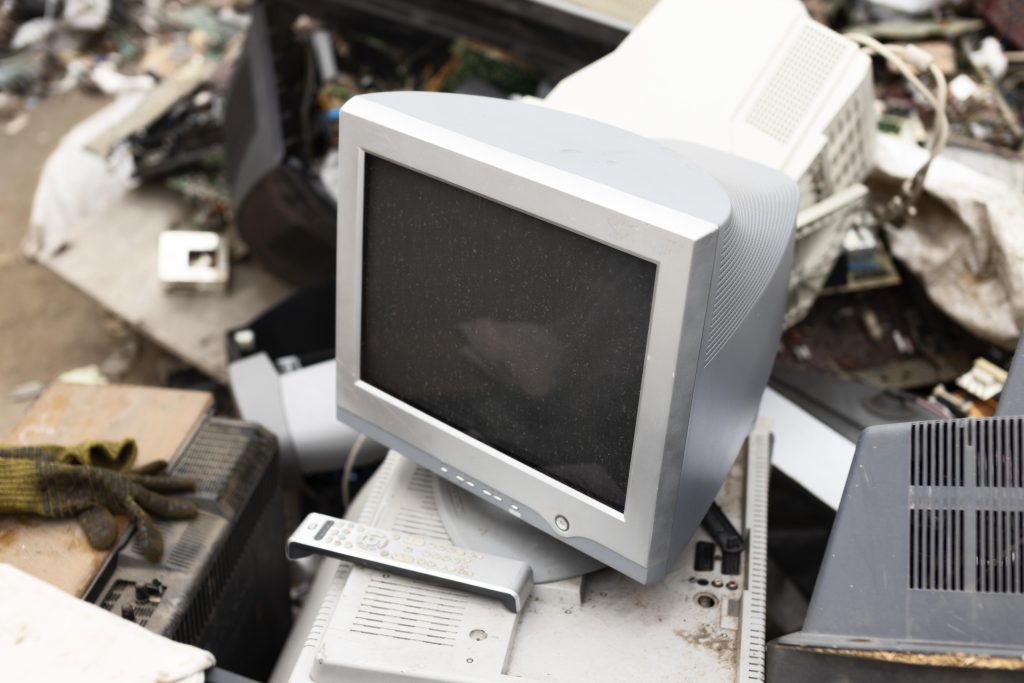
IT Data Disposal in Dallas, Texas: Best Practices and Secure Data Destruction. As businesses in Dallas, Texas, continue to upgrade and decommission outdated IT systems, ensuring secure IT data disposal becomes an essential task. Proper data destruction not only protects sensitive information but also ensures compliance with regulatory requirements and reduces environmental harm. Whether you’re upgrading your network infrastructure or clearing out old hardware, ensuring that your IT assets are safely disposed of is crucial for both security and environmental responsibility. Why IT Data Disposal Matters in Dallas, Texas With the growing importance of data protection, businesses in Dallas need to consider secure methods for disposing of their IT assets. Failing to properly manage IT data disposal can lead to serious consequences: Best Practices for IT Data Disposal Following industry-best practices ensures that your IT data is securely destroyed while meeting compliance standards. Here are the most effective methods for data destruction and IT asset disposal: 1. Physical Destruction of Devices One of the safest ways to dispose of IT assets is to physically destroy the storage devices. This guarantees that no data can be recovered. Common methods include: 2. Software-Based Data Overwriting (Data Sanitization) For businesses that wish to repurpose or recycle their equipment, data sanitization is an excellent choice. Data sanitization software overwrites existing data with random information multiple times to ensure no data can be recovered. 3. Certified IT Disposal Services in Dallas Engaging with certified IT data disposal services is the best way to ensure that your old equipment is handled correctly. These providers specialize in secure data destruction and comply with all necessary regulations. Why Certified IT Disposal Services Are Important: 4. E-Waste Recycling Instead of sending your old equipment to a landfill, consider working with certified e-waste recycling providers. Recyclers can salvage parts of your devices, such as plastics and metals, and reuse them, reducing environmental impact. Why Choose Digital Infotech for IT Data Disposal in Dallas, Texas? When it comes to IT data disposal in Dallas, Digital Infotech is a trusted provider offering secure, certified solutions. They specialize in secure data destruction and adhere to the highest industry standards for data erasure and e-waste recycling. Key Benefits of Choosing Digital Infotech: By choosing Digital Infotech, businesses in Dallas can rest assured that their IT data disposal needs are handled in a secure, compliant, and environmentally responsible way. Best Practices for IT Data Disposal Here are some industry-proven best practices for IT asset disposal: 1. Pre-Disposal Assessment Before starting the IT data disposal process, evaluate the condition of your equipment. If it still holds value, consider repurposing or donating it. If it’s no longer usable, proceed with secure disposal. 2. Choosing the Right Disposal Method Different types of equipment require different methods of destruction. Sensitive data should always be destroyed physically, while less sensitive data can be wiped using data sanitization software. 3. Work with Certified Recyclers If your equipment can be recycled, ensure it is handled by certified e-waste recyclers who follow industry standards like R2 or e-Stewards to safely dispose of electronics. 4. Ensure Proper Documentation Partner with a certified IT disposal service like Digital Infotech that provides certificates of destruction and detailed reports of the data destruction process. This ensures compliance and provides an audit trail for your records. Frequently Asked Questions (FAQ) About IT Data Disposal 1. What Is IT Data Disposal? IT data disposal refers to the process of securely destroying or erasing data from outdated or obsolete IT equipment, ensuring that no confidential information is retrievable. 2. Why Is IT Data Disposal Important? Secure IT data disposal helps prevent data breaches, ensures compliance with regulations like HIPAA, GDPR, and PCI DSS, and promotes environmentally responsible recycling of electronic waste. 3. Can I Recycle My IT Equipment? Yes, but it’s essential to use certified e-waste recycling services to ensure that data is erased before recycling, and the equipment is disposed of responsibly. 4. How Do I Know My Data Has Been Properly Destroyed? Certified providers like Digital Infotech offer certificates of destruction and full documentation to verify that your data has been securely erased or physically destroyed. 5. What Happens If I Don’t Dispose of Data Properly? Improper disposal of IT equipment can lead to data breaches, legal violations, and environmental harm. Ensuring proper disposal protects your business and its reputation. Conclusion: Secure IT Data Disposal in Dallas, Texas For businesses in Dallas, Texas, the secure and responsible disposal of IT data is essential. By following best practices for data destruction, working with certified IT disposal services, and partnering with trusted providers like Digital Infotech, companies can ensure that their sensitive data is safely destroyed while minimizing their environmental impact. Whether you need hard drive destruction, data sanitization, or e-waste recycling, Digital Infotech offers comprehensive, certified services that ensure your business meets all regulatory requirements and protects its valuable data.

IT Data Disposal in Dallas, Texas: Best Practices and Secure Data Destruction Read More »
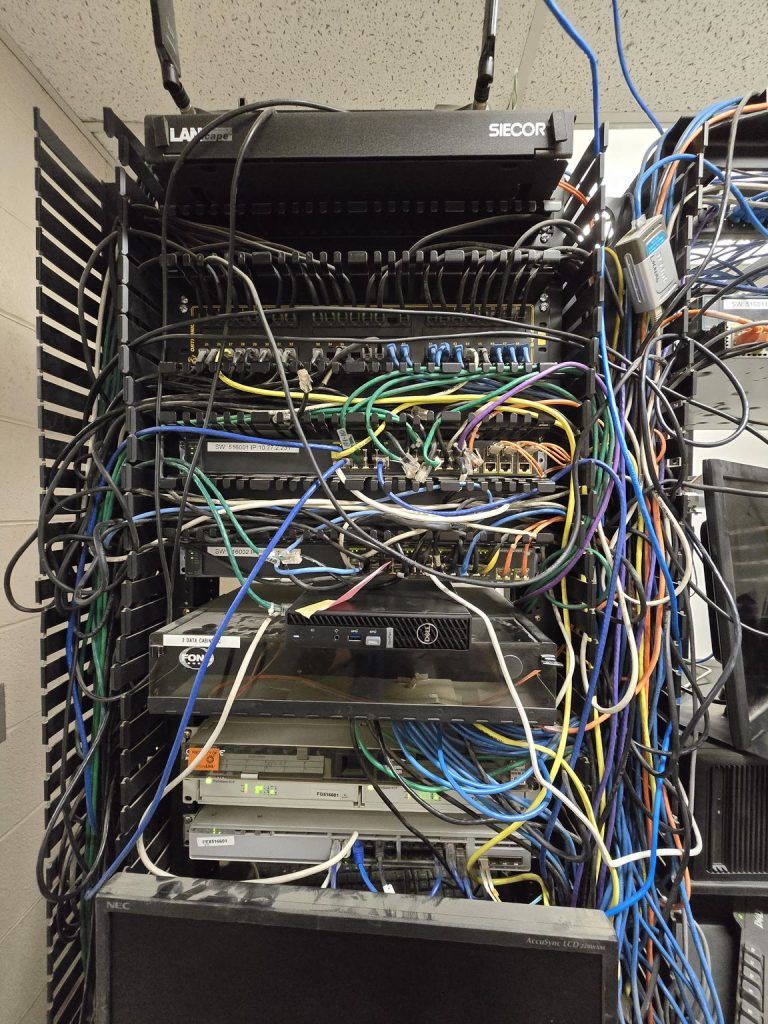
network cabling

Top Data & Voice Cabling in US 2025: A Complete Guide.

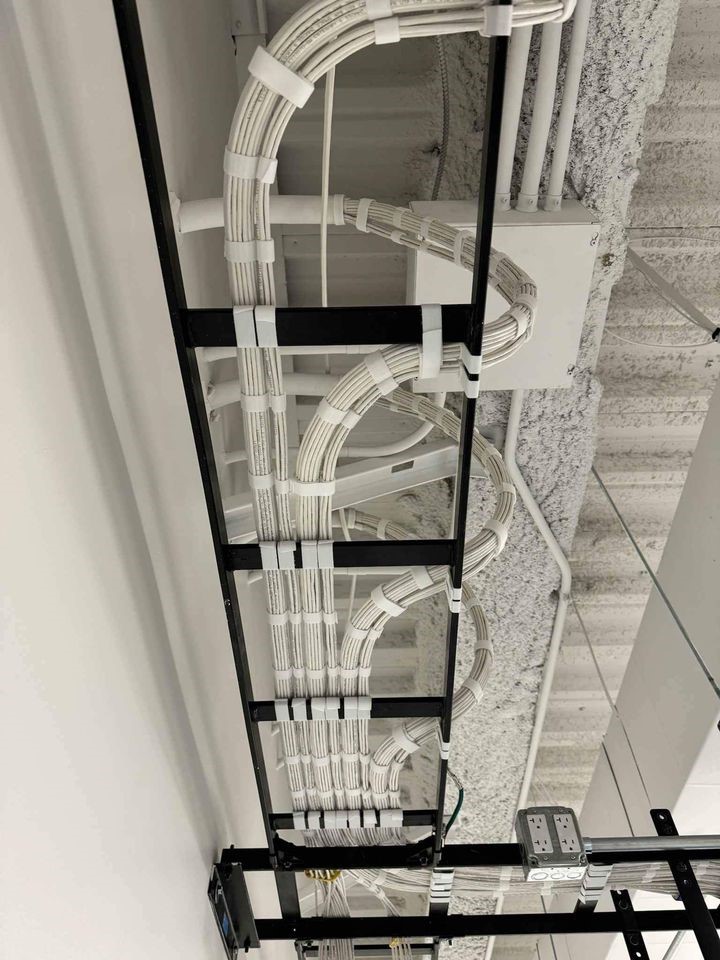
Top Data & Voice Cabling in US 2025: A Complete Guide. In today’s fast-paced digital world, the importance of data, voice, network, and structured cabling cannot be overstated. From supporting voice calls to ensuring fast internet speeds and seamless networking, a properly designed cabling infrastructure is the backbone of modern communication. As businesses grow and technology evolves, data and voice cabling systems are becoming more advanced. This comprehensive guide will take you through everything you need to know about data, voice, network, and structured cabling in the US for 2025. What is Data, Voice, and Network Cabling? Understanding Data Cabling Data cabling refers to the physical network infrastructure used to transmit digital data between devices. It includes cables like Cat 5e, Cat 6, and fiber optic cables, which facilitate internet connections, file sharing, and access to cloud services. Data cabling ensures that your devices stay connected to the internet and your network operates efficiently. What is Voice Cabling? On the other hand, voice cabling is designed for voice communication systems. This includes the wiring needed for traditional telephony services and modern VoIP (Voice over Internet Protocol) systems. Voice cabling is often integrated with data cabling to streamline network installation and minimize infrastructure complexity. The Concept of Network and Structured Cabling Network cabling refers to the entire system of physical cables that support data, voice, and other communication systems across an organization. Structured cabling is a standardized approach to cabling installation that includes the design, construction, and management of a cabling infrastructure. It involves organized, flexible cabling systems that support multiple types of services (such as internet, phone, and security systems) under one unified framework. Types of Data, Voice, and Network Cabling Systems Copper Cabling Systems (Cat 5e, Cat 6, Cat 6A) Copper cabling has long been the go-to solution for both data and voice networks. These systems transmit data using electrical signals and include common cable types like: Fiber Optic Cabling Systems Fiber optic cables have revolutionized the cabling industry by offering significantly higher speeds and greater bandwidth. Unlike copper cables, fiber optics use light signals to transmit data, making them ideal for high-performance networks. Hybrid Cabling Systems A hybrid cabling system combines both copper and fiber optic cables, allowing businesses to leverage the advantages of both technologies. This combination ensures high-speed, reliable connections for businesses that require scalable networks while balancing cost-efficiency. Benefits of Data, Voice, and Network Cabling in 2025 Increased Network Speed and Efficiency With the growing demand for high-speed internet and cloud-based services, data and voice cabling systems are designed to support faster network speeds and greater efficiency. Upgrading to fiber optic or high-quality copper cabling ensures that your network can handle increasing amounts of data without slowing down. Scalability and Flexibility The beauty of structured cabling systems is their scalability. As businesses expand, their network cabling needs to grow with them. A well-designed structured cabling system allows businesses to add new devices, upgrade to faster technologies, and scale their network infrastructure with minimal disruption. Future-Proofing Infrastructure As technologies like 5G, IoT, and AI become more prevalent, businesses need cabling systems that can handle the increased demand. Choosing a structured cabling system with fiber optic cables and high-bandwidth copper cables ensures that your network remains relevant for years to come. Leading Data & Voice Cabling Providers in the US for 2025 When it comes to selecting a data and voice cabling provider in 2025, several top players stand out: 1. Corning Incorporated Corning is a leader in the fiber optic cabling market. Their products provide unmatched performance and reliability, making them an excellent choice for businesses requiring high-speed internet and long-distance communication. 2. Leviton Leviton offers high-quality network cabling solutions, including Cat 6A and fiber optic cables. Known for their innovation and reliability, Leviton provides cost-effective, high-performance cabling options for various industries. 3. Panduit Panduit is another trusted name in the structured cabling industry. Their network cabling products are designed to provide excellent speed, flexibility, and scalability for businesses of all sizes. 4. Digital Infotech Digital Infotech is one of the most reliable data and voice cabling installation providers in the US. They offer end-to-end services for structured cabling systems, ensuring businesses have a scalable, efficient, and future-proof cabling infrastructure. Whether you need fiber optic, Cat 6A, or hybrid cabling, Digital Infotech provides expert installation services backed by strong customer support and ongoing maintenance. Choosing the Right Data & Voice Cabling Provider When selecting a provider for data, voice, network, and structured cabling, there are several factors to consider: What to Look for in a Cabling Provider Factors Influencing Your Decision Cabling Standards and Certifications Ensuring your cabling system meets industry standards is essential for reliability and performance. Some key certifications include: Data, Voice, and Network Cabling Installation Process Planning and Design Before installation, a thorough design and planning process is necessary. This involves assessing your business’s needs, designing an optimal network cabling system, and ensuring that future upgrades are easy to implement. Installation and Testing Once the design is approved, professional installers will run the necessary cables, making sure all connections are secure and tested for performance. Maintenance and Upgrades Post-installation, regular maintenance and upgrades are essential to keep the system running smoothly and to accommodate future technology advancements. Costs of Data & Voice Cabling in the US The cost of data and voice cabling installation depends on factors like the size of your network, the type of cables used, and the complexity of the installation. Generally, small businesses can expect to pay anywhere from $500 to $5,000 for installation, with larger enterprises facing higher costs. Data & Voice Cabling for Different Industries Corporate and Commercial Environments Businesses rely on structured cabling systems to maintain fast, secure communication. Whether for internet, phone systems, or video conferencing, a reliable cabling system is vital for daily operations. Healthcare and Educational Institutions Healthcare and education institutions require network cabling that supports sensitive data transmission and high-speed communication. These environments need scalable, secure cabling systems to keep up

Top Data & Voice Cabling in US 2025: A Complete Guide. Read More »

Network and Structured Cabling in Sterling, Virginia

Best Structured Cabling in US 2025

Best Structured Cabling in US 2025.   Structured cabling is an essential backbone for modern businesses, ensuring reliable data transmission and efficient network performance. As we move toward 2025, companies are increasingly turning to structured cabling systems to support their growing technological needs. This article explores the best structured cabling options in the US, focusing on the key providers, benefits, installation processes, and future trends. What is Structured Cabling? Structured cabling refers to a standardized system of cabling and associated hardware used for data transmission in various environments, including offices, data centers, and commercial buildings. It includes a range of physical components like cables, connectors, patch panels, and switches, all designed to support a network infrastructure that is reliable, flexible, and scalable. Importance of Structured Cabling in 2025 As we approach 2025, businesses rely heavily on robust and secure network systems to support everything from day-to-day communication to cloud services and AI applications. Structured cabling systems provide the foundation for fast, efficient, and secure network connections, ensuring that businesses stay ahead in an increasingly digital world. Understanding Structured Cabling Systems Components of Structured Cabling The key components of structured cabling include: How Structured Cabling Works Structured cabling organizes the network components into a hierarchical system, allowing data to flow seamlessly from one device to another. It ensures minimal signal loss, interference, and downtime, while also providing scalability as the network grows. Top Benefits of Structured Cabling Improved Network Performance With structured cabling, you can expect faster and more reliable data transfer speeds, reducing lag and network downtime. This is particularly crucial for businesses that rely on high-volume data transactions, such as e-commerce or tech companies. Scalability and Flexibility Structured cabling is designed to grow with your business. Whether you’re expanding to a new office or upgrading your server room, structured cabling allows for easy scalability without needing a complete overhaul of the existing system. Future-Proofing Infrastructure With the advent of new technologies, such as 5G and IoT, businesses need network systems that can support future demands. Structured cabling systems are flexible enough to accommodate these changes, ensuring your infrastructure remains relevant in 2025 and beyond. Best Structured Cabling Providers in the US for 2025 In 2025, several companies lead the way in providing top-quality structured cabling services across the United States. Here’s a look at some of the most reputable names: 1. Corning Incorporated Corning is renowned for its fiber optic solutions and is a leader in structured cabling. The company offers innovative, high-performance products that are ideal for both small businesses and large data centers. 2. Leviton Leviton provides comprehensive cabling solutions that are known for their reliability and ease of installation. Their Cat 6A cables and fiber optic systems are some of the most advanced in the market. 3. Panduit Panduit’s solutions cater to businesses of all sizes and offer flexible, scalable cabling systems that can support high-speed data transmission. They also offer excellent customer support and maintenance services. 4. Nexans Nexans specializes in fiber optic cabling and offers a variety of solutions for enterprise-level installations. They focus on high-quality, durable products that meet industry standards. 5. Digital Infotech Digital Infotech is a rising name in the structured cabling industry, offering cutting-edge installation services for both commercial and residential spaces. Known for their reliable cabling systems, Digital Infotech provides tailored solutions to meet the specific needs of each business, ensuring minimal disruption and maximum performance. With a strong focus on customer satisfaction, their team provides ongoing support and troubleshooting, ensuring that your network infrastructure is always up to date and running smoothly. Factors to Consider When Choosing Structured Cabling Providers When selecting a structured cabling provider, several factors should be taken into account: Expertise and Experience Choose a provider with a proven track record and experience in handling installations that align with your business needs. Certification and Compliance Ensure that the company adheres to industry standards, such as TIA/EIA, ANSI, and ISO certifications, for both cabling and installation. Customer Support and Maintenance Ongoing support is crucial to keeping your system running smoothly. Look for a provider that offers robust post-installation services. Popular Structured Cabling Standards in 2025 Cat 5e, Cat 6, and Cat 6A Cables These cables are commonly used for high-speed data transmission in both residential and commercial settings. Cat 6A, with its ability to support 10Gbps speeds, is increasingly in demand. Fiber Optic Cabling Solutions Fiber optic cables are essential for high-bandwidth applications and long-distance data transmission. They are fast becoming the standard for businesses that require ultra-high-speed networks. Latest Trends in Structured Cabling In 2025, we’re likely to see an increase in fiber-to-the-desk (FTTD) deployments, as businesses look for faster data speeds and more reliable connections. Structured Cabling Installation Process Planning and Design Before installation, a thorough assessment of the building’s layout and network requirements is essential. This will ensure that the cabling system is tailored to the business’s unique needs. Installation and Testing The installation phase involves laying the cables, setting up patch panels, and testing the system to ensure everything functions correctly. Proper testing ensures minimal future issues. Ongoing Maintenance Regular maintenance is critical for keeping the system running smoothly. This includes troubleshooting, upgrading equipment, and monitoring network performance. Cost of Structured Cabling Installation in the US Average Installation Costs The cost of structured cabling installation in the US can vary based on factors such as the size of the building, the type of cabling, and the complexity of the network. On average, businesses can expect to pay anywhere from $500 to $5,000 or more. Factors Influencing the Price Factors such as the number of workstations, the need for fiber optic cables, and the geographical location of the installation will affect pricing. Structured Cabling for Different Industries Corporate Offices and Commercial Spaces Structured cabling is essential for maintaining smooth business operations, supporting everything from email communication to video conferencing. Data Centers Data centers require highly reliable, high-capacity cabling systems to handle large amounts of data traffic. Fiber optic cabling is often the

Best Structured Cabling in US 2025 Read More »

it disposal

IT Disposal Services in Ashburn, Virginia: Trusted Solutions for Secure and Eco-Friendly Equipment Disposal.

IT Disposal Services in Ashburn, Virginia: Trusted Solutions for Secure and Eco-Friendly Equipment Disposal. In today’s rapidly evolving technology landscape, businesses must regularly update their IT equipment to maintain optimal performance and competitiveness. With each upgrade comes the challenge of properly disposing of outdated or broken devices. IT disposal services in Ashburn, Virginia are essential for ensuring that your old IT assets, such as computers, servers, hard drives, and other devices, are disposed of securely and in an environmentally responsible manner. At Digital Infotech, we specialize in providing top-tier IT asset disposal (ITAD) services in Ashburn, Virginia. Our team is dedicated to ensuring secure data destruction, responsible recycling, and safe disposal of your old IT equipment, so you can rest assured that your data is protected and your equipment is disposed of in an eco-friendly way. Why IT Disposal Services Are Essential for Businesses in Ashburn, Virginia What Does IT Disposal Entail? Our comprehensive IT disposal services include the following steps to ensure the secure and eco-friendly handling of your old equipment: Why Digital Infotech is the Best Choice for IT Disposal Services in Ashburn, Virginia At Digital Infotech, we offer reliable and secure IT disposal services tailored to the needs of businesses in Ashburn, Virginia. Here’s why we are the preferred choice: The IT Disposal Process Cost of IT Disposal Services in Ashburn, Virginia The cost of IT disposal services varies depending on the quantity and type of equipment being disposed of, as well as the level of data destruction and recycling required. At Digital Infotech, we offer affordable pricing tailored to your specific needs, ensuring that your IT asset disposal is both secure and cost-effective. Conclusion For businesses in Ashburn, Virginia seeking secure, responsible, and compliant IT disposal services, Digital Infotech is the trusted partner. We specialize in secure data destruction, e-waste recycling, and certified IT asset disposal, ensuring that your business meets legal requirements and reduces environmental impact. Let us handle your outdated IT equipment disposal so you can focus on growing your business. Frequently Asked Questions (FAQ) About IT Disposal Services in Ashburn, Virginia 1. What is IT disposal?IT disposal refers to the process of securely removing and discarding outdated IT equipment like computers, servers, and networking devices. It ensures that data is properly destroyed and that the equipment is disposed of in an environmentally responsible way. 2. How do you ensure that data is securely destroyed?We use advanced methods such as physical destruction (shredding hard drives) and certified data wiping to ensure that all sensitive data is permanently erased and unrecoverable. 3. Can I recover any value from my old IT equipment?Yes, through our asset recovery services, we can recover valuable components or devices from your old equipment, refurbishing them for reuse or reselling them to generate a financial return. 4. Do you offer on-site IT disposal services?Yes, we offer on-site IT disposal services where we securely destroy data and dispose of your IT equipment directly at your location. 5. Is your IT disposal process compliant with data protection regulations?Absolutely. We follow all relevant regulations, including HIPAA, GDPR, and EPA guidelines, ensuring that your business remains compliant with data protection and environmental laws.

IT Disposal Services in Ashburn, Virginia: Trusted Solutions for Secure and Eco-Friendly Equipment Disposal. Read More »

data centre 123

Expert Data Center Relocation Services in Ashburn, Virginia: Smooth, Secure, and Efficient Transitions.

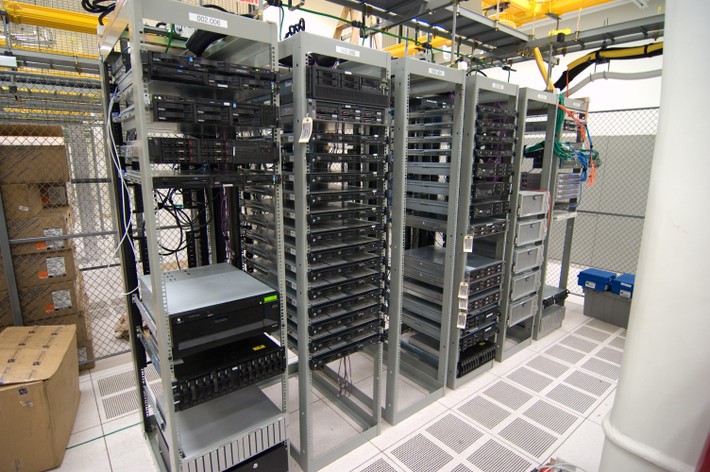
Expert Data Center Relocation Services in Ashburn, Virginia: Smooth, Secure, and Efficient Transitions.   As businesses grow and evolve, their IT infrastructure must also keep pace. For companies in Ashburn, Virginia, relocating a data center can be a critical step to ensure future scalability, enhanced security, and operational efficiency. Whether you’re upgrading your facility, moving to a new location, or optimizing your data storage capabilities, Digital Infotech offers expert data center relocation services to handle all the complexities of the move. With a focus on minimizing downtime, securing sensitive data, and ensuring seamless transitions, Digital Infotech is the trusted partner you need for data center relocation in Ashburn. Why You Might Need Data Center Relocation Data centers are at the heart of modern business operations, hosting critical infrastructure, including servers, storage systems, networking hardware, and backup solutions. Relocating a data center can offer several key benefits to businesses in Ashburn, Virginia: Challenges of Data Center Relocation Data center relocation is a complex and sensitive project that requires careful planning and execution. Some of the challenges businesses face during this process include:   How Digital Infotech Supports Your Data Center Relocation in Ashburn, Virginia At Digital Infotech, we specialize in providing data center relocation services in Ashburn, Virginia, ensuring that your move is smooth, secure, and efficient. With years of experience and a skilled team of professionals, we guide your business through each step of the data center relocation process. Here’s how Digital Infotech can help you: Steps Involved in Data Center Relocation To ensure that your data center relocation goes smoothly, we follow a detailed, step-by-step process: Cost of Data Center Relocation in Ashburn, Virginia The cost of data center relocation services can vary depending on the size of your data center, the complexity of the move, and the distance involved. Digital Infotech offers customized pricing based on your unique needs. We provide free consultations to assess your requirements and give you a transparent estimate. Conclusion Relocating your data center is a critical process for ensuring your IT infrastructure meets your business’s evolving needs. Digital Infotech is your trusted partner for data center relocation services in Ashburn, Virginia. We handle the entire process, from planning and execution to post-move support, ensuring that your business experiences minimal downtime and maximum security throughout the transition. Let Digital Infotech help you ensure a smooth, secure, and efficient data center relocation. Frequently Asked Questions (FAQ) About Data Center Relocation in Ashburn, Virginia 1. What are the main benefits of data center relocation?A data center relocation can offer increased capacity, improved performance, better cost efficiency, enhanced security, and compliance with industry regulations. It also provides an opportunity to upgrade infrastructure and reduce operational costs. 2. How do you minimize downtime during the relocation?We create a detailed plan that includes setting up temporary backup systems, using failover capabilities, and ensuring that systems are migrated in phases to minimize downtime and disruption to business operations. 3. How do you ensure data security during the move?At Digital Infotech, we follow strict security protocols, including data encryption, secure backup storage, and secure transport to protect sensitive data during the data center relocation process. 4. How long does the relocation process take?The timeline for a data center relocation depends on the size and complexity of the move. Generally, it can take anywhere from a few days to a few weeks. We work with you to establish a timeline that suits your needs. 5. Can Digital Infotech assist with post-relocation support?Yes! After the relocation is complete, Digital Infotech provides ongoing support and monitoring to ensure everything runs smoothly and optimally. Our team is available to address any issues that may arise.

Expert Data Center Relocation Services in Ashburn, Virginia: Smooth, Secure, and Efficient Transitions. Read More »

IT Disposal Onsite : A Detailed Guide

IT Disposal Onsite Virginia : A Detailed Guide . Managing sensitive information responsibly has become more critical than ever before. When your IT equipment reaches the end of its useful life, ensuring that all data is securely disposed of is essential. This is where IT disposal onsite comes into play, offering a service that allows businesses to safely dispose of obsolete electronics while ensuring complete data compliance. Understanding the importance of data compliance during IT disposal is not only necessary for legal reasons but also for maintaining trust with clients and stakeholders. In this article, we will dive deep into what IT disposal onsite involves, its importance, methods, and best practices for keeping data secure. What is IT Disposal Onsite? Definition and Scope of Onsite IT Disposal IT disposal onsite refers to the process of securely disposing of electronic equipment directly at a company’s location, rather than sending it to a third-party facility. This includes the removal, destruction, or recycling of items such as computers, servers, hard drives, and other digital storage devices. Benefits of Onsite IT Disposal The key benefits of onsite IT disposal include immediate data destruction, higher control over the process, and the assurance of data compliance. By handling the disposal process at your location, you can monitor each step and ensure that no data is left behind on the devices. The Importance of Data Compliance in IT Disposal Data Security Risks When businesses fail to properly dispose of their old IT equipment, they risk exposing sensitive data that could lead to breaches, identity theft, or financial loss. Improper disposal can result in data recovery from discarded hard drives, leaving confidential information vulnerable. Legal Requirements and Regulations There are strict laws and regulations regarding data protection, especially concerning sensitive data. For example, regulations like GDPR in Europe or HIPAA in the United States demand that businesses handle personal data with the utmost care, including when it’s time for disposal. Ensuring compliance with these regulations is critical to avoid hefty fines and penalties. Key Regulations for IT Disposal Compliance GDPR (General Data Protection Regulation) The GDPR sets strict guidelines on data protection and privacy within the European Union. Companies must ensure that all data stored on devices is securely destroyed during IT disposal to avoid potential legal issues under GDPR’s “right to erasure” clause. HIPAA (Health Insurance Portability and Accountability Act) HIPAA mandates that healthcare organizations securely dispose of any electronic devices containing patient data. The regulation ensures that health-related data is properly protected even after the devices are no longer in use. Data Protection Act and Other Relevant Legislation Beyond GDPR and HIPAA, several other laws, including the UK Data Protection Act and various national and international standards, require businesses to follow data destruction protocols to remain compliant. Why Choose Onsite IT Disposal? Enhanced Data Security By opting for onsite IT disposal, you reduce the risk of data breaches during transport. Onsite services can securely wipe data before equipment leaves your premises, ensuring complete control over sensitive information. Immediate Data Destruction Onsite disposal allows businesses to immediately destroy data, eliminating the possibility of someone accessing it during the transportation or handling stages. This swift action ensures there is no delay in maintaining data integrity. Convenience and Cost-effectiveness Onsite IT disposal eliminates the need for transporting devices to offsite facilities, reducing logistical costs and saving valuable time. It also minimizes the risk of human error, which could occur during the transport process. Common Methods of Data Destruction in Onsite IT Disposal Physical Destruction (Shredding, Crushing, Degaussing) Physical destruction methods such as shredding, crushing, and degaussing (demagnetizing) are some of the most effective ways to ensure that data cannot be recovered. These methods completely break down hard drives and storage media, rendering the data irretrievable. Software-Based Data Wiping Software-based data wiping uses specialized programs to overwrite existing data on devices multiple times, making it unreadable. This method is highly effective but may take longer compared to physical destruction, depending on the size of the drive. Combination of Physical and Software Methods In some cases, a combination of physical destruction and software-based wiping is used to ensure complete data security. This multi-tiered approach guarantees that no traces of the original data remain. Benefits of Certified Onsite Data Destruction Certification of Compliance A certified provider will offer official documentation confirming that the destruction process complies with all relevant laws and standards. This certification provides businesses with proof that they have taken the necessary steps to secure data. Third-Party Audits and Reports Certified IT disposal providers often undergo third-party audits to verify their practices, ensuring transparency and accountability. These audits offer additional peace of mind that the disposal process is being carried out correctly. Customer Assurance and Trust Having a certified IT disposal service helps build trust with customers, as they know their sensitive data is being handled responsibly and in line with the highest security standards. The Process of IT Disposal Onsite Initial Assessment and Planning Before starting the disposal process, a thorough assessment of the equipment is performed. This includes evaluating the type and amount of data stored and deciding the best method for destruction. Collection and Transport to Onsite Disposal Facility Once assessed, the equipment is collected and brought to the onsite disposal area. The equipment may be tagged and tracked to ensure proper handling. Destruction and Certification of Data Compliance The destruction process begins, followed by a certification of compliance. Afterward, businesses are provided with a certificate confirming that all data has been securely destroyed in accordance with regulations. Digital Infotech: Leading the Way in IT Disposal Onsite Digital Infotech is at the forefront of providing secure onsite IT disposal services that ensure complete data compliance. With years of experience in the industry, Digital Infotech offers state-of-the-art solutions for data destruction, e-waste recycling, and data protection. Their certified team follows strict protocols to guarantee that all data is securely wiped, ensuring compliance with laws such as GDPR and HIPAA. Whether you’re handling large-scale IT asset disposal or

IT Disposal Onsite : A Detailed Guide Read More »

IT Data Disposal Services in Virginia: Everything You Need to Know.

IT Data Disposal Services in Virginia: Everything You Need to Know. IT data disposal services are an essential part of managing the lifecycle of technology in today’s digital world. As businesses and individuals generate vast amounts of data, ensuring its safe disposal becomes increasingly critical. In Virginia, a region with a robust tech industry and a focus on privacy, the need for secure IT data disposal services is at an all-time high. But why is IT data disposal so important, and how can you choose the right services for your needs? What Is IT Data Disposal? At its core, IT data disposal refers to the secure process of destroying or erasing data from electronic devices, ensuring that it cannot be recovered or misused. This is essential for protecting sensitive information, particularly when old devices are retired or upgraded. Whether it’s hard drives, mobile devices, or other IT equipment, all can contain valuable and personal data that could be exploited if not properly disposed of. Secure IT data disposal services in Virginia are crucial to maintaining privacy and confidentiality for businesses and individuals alike. Whether you’re looking for data wiping services Virginia or hard drive destruction services, it’s important to partner with a professional service that guarantees complete data destruction. Why is IT Data Disposal Crucial in Virginia? Virginia is home to a range of businesses, from small startups to large corporations, many of which handle sensitive customer or client data. The state’s privacy laws, such as the Virginia Consumer Data Protection Act (VCDPA), emphasize the importance of secure data management and disposal. Failing to comply with these regulations can lead to costly fines and reputational damage. In addition, Virginia is a hub for the federal government, which increases the demand for certified data destruction Virginia services that meet stringent security requirements. Choosing local data disposal companies in Virginia ensures that the process complies with these laws while keeping your data secure. Key Challenges in IT Data Disposal When it comes to IT data disposal, the process isn’t always as straightforward as it seems. A major challenge is ensuring that the data is completely unrecoverable. Even after a device is discarded, data can often be retrieved by those with the right tools or expertise. This highlights the need for professional data destruction companies. Additionally, environmental concerns are significant. Improper disposal of electronic waste (e-waste) can lead to harmful toxins leaching into the environment, which is why it’s important to choose an eco-friendly data disposal service. Many IT data disposal services in Virginia specialize in green data disposal, ensuring that e-waste is recycled responsibly. IT Data Disposal Services in Virginia: A Comprehensive Overview Virginia offers a wide array of IT data disposal services, each designed to ensure that your data is completely destroyed while adhering to privacy and environmental standards. These services range from physical destruction of equipment to data wiping, where information is permanently erased. Certified companies in Virginia follow stringent industry standards, such as those set by the National Institute of Standards and Technology (NIST), to ensure complete data destruction. These certified services guarantee that your data will never fall into the wrong hands. Methods of IT Data Disposal Physical Destruction of Hard Drives One of the most effective methods for secure hard drive disposal is physical destruction. This involves shredding or crushing hard drives so that they can no longer be used to store data. This method is often used for devices that cannot be reused or resold. It’s a key aspect of IT asset disposal Virginia. Data Wiping and Deletion Data wiping services are an essential part of IT data disposal. This method involves erasing data by overwriting it multiple times, making it impossible to recover. For businesses or individuals looking to resell or reuse old equipment, data erasure services are a reliable way to ensure sensitive information is safely wiped clean. Degaussing Degaussing is another technique used to erase data, specifically from magnetic storage devices. This process involves using a powerful magnetic field to disrupt the data stored on a hard drive, rendering it unreadable. Regulations and Compliance for IT Data Disposal in Virginia IT data disposal is governed by various regulations to ensure that sensitive information is protected. In Virginia, businesses must comply with privacy laws like HIPAA (for healthcare data) and PCI-DSS (for payment card data), as well as the VCDPA. Compliance with these regulations is vital not only for protecting your business but also for maintaining trust with clients and customers. Professional data destruction companies in Virginia are equipped to ensure that all required standards are met, giving you peace of mind. Why Choose Professional IT Data Disposal Services in Virginia? Choosing a professional IT data disposal service in Virginia offers several advantages. These companies bring expertise, experience, and specialized tools to ensure that your data is securely destroyed. Additionally, they provide environmentally responsible solutions, ensuring that e-waste is handled appropriately. If you’re looking for secure e-waste disposal Virginia, partnering with a professional company is essential. Professional services can also save you time and effort, allowing your business to focus on core activities rather than worrying about data security. How to Choose the Right IT Data Disposal Company in Virginia When selecting an IT data disposal service in Virginia, consider the following factors: Top IT Data Disposal Service Providers in Virginia Benefits of Partnering with Local IT Data Disposal Services Working with local data disposal companies in Virginia offers several advantages, including faster response times and better familiarity with local laws and regulations. Additionally, local companies often offer cost-effective pricing compared to large, national providers. The Environmental Impact of IT Data Disposal Proper IT data disposal is not just about security; it’s also about sustainability. E-waste is a growing problem, and improper disposal can harm the environment. Choosing a company that recycles or responsibly disposes of old devices helps reduce the environmental footprint of your business. If you’re concerned about the environmental impact, look for services that specialize in eco-friendly data disposal Virginia.

IT Data Disposal Services in Virginia: Everything You Need to Know. Read More »

Secure ITAD Services: Responsible IT Asset Disposition.

Secure ITAD Services: Responsible IT Asset Disposition E-waste reduction abstract concept vector illustration. E-waste management, technological rubbish reduction, electronics trade-in program, gadget recycling plan, device reuse abstract metaphor. Secure ITAD (IT Asset Disposition) services ensure that your old IT equipment is handled responsibly, securely, and in compliance with legal standards. From data destruction to eco-friendly recycling and remarketing, these services cater to businesses of all sizes and industries. In this article, we’ll explore the importance of secure ITAD services, the processes involved, and why they are vital for modern organizations. What Are Secure ITAD Services? Secure ITAD services refer to the structured process of managing, repurposing, and disposing of outdated or retired IT equipment in a way that safeguards sensitive data and minimizes environmental impact. ITAD providers specialize in securely erasing data, recycling components, and reselling reusable equipment. The growing reliance on technology has made ITAD services an essential aspect of IT lifecycle management. Devices like laptops, servers, smartphones, and storage drives contain sensitive business and customer data that, if mishandled, could lead to severe security breaches. Secure ITAD services ensure that such risks are mitigated while also contributing to sustainability goals. Why Are Secure ITAD Services Important? 1. Data Protection Old IT devices often contain confidential and sensitive data. Simply deleting files or formatting storage devices isn’t enough to protect this information from unauthorized recovery. Secure ITAD services use advanced data destruction techniques to ensure data is irretrievably erased or destroyed. 2. Environmental Responsibility E-waste is rapidly becoming one of the largest and most rapidly increasing waste categories worldwide, with millions of tons being thrown away each year. Secure ITAD services promote eco-friendly practices by recycling materials like metals, plastics, and glass, reducing the environmental impact of electronic waste. 3. Regulatory Compliance Laws such as GDPR (General Data Protection Regulation), HIPAA (Health Insurance Portability and Accountability Act), and other local e-waste regulations require businesses to handle IT asset disposal responsibly. Failure to comply can lead to significant financial penalties and harm to your organization’s reputation. ITAD services ensure that businesses adhere to these standards. 4. Financial Returns Through asset remarketing, ITAD providers refurbish and resell functional equipment, allowing businesses to recover a portion of their investment. This approach extends the lifecycle of IT assets and reduces costs associated with equipment upgrades. 5. Brand Reputation Adopting secure and sustainable ITAD practices reflects positively on a company’s commitment to data security and environmental stewardship. This can enhance trust among customers, partners, and stakeholders. Key Services Offered by ITAD Providers 1. Data Destruction Secure ITAD services employ certified methods to permanently erase data, ensuring that sensitive information cannot be recovered. Popular data destruction methods include: 2. E-Waste Recycling Non-functional IT equipment is dismantled, and recyclable materials such as metals and plastics are recovered. Recycling reduces the environmental footprint of e-waste and supports a circular economy. 3. Asset Remarketing Functional devices are refurbished, tested, and sold in secondary markets. This approach provides businesses with financial returns and minimizes waste. 4. Logistics and Asset Tracking ITAD providers manage the entire logistics process, from picking up assets at your location to tracking their journey through disposition. Real-time tracking ensures transparency and accountability. 5. Reporting and Certification After the ITAD process, businesses receive detailed reports and certificates verifying data destruction and compliance with regulations. These documents serve as proof for audits and internal record-keeping. How Secure ITAD Services Work Step 1: Asset Audit and Inventory The ITAD provider conducts a detailed audit of your IT assets to determine their condition, data storage status, and potential for resale or recycling. Step 2: Data Destruction Sensitive data is destroyed using certified techniques, ensuring compliance with data protection laws. Step 3: Recycling and Remarketing Working assets are restored and resold, while non-working parts are carefully recycled in an environmentally responsible manner. Step 4: Certification and Reporting Businesses receive certificates and reports detailing the entire process, including proof of data destruction and recycling compliance. Industries That Rely on Secure ITAD Services 1. Healthcare Hospitals and clinics must comply with HIPAA regulations when disposing of devices containing patient records. Secure ITAD services ensure the safe destruction of sensitive data and proper recycling of medical IT equipment. 2. Finance Banks and financial organizations handle large volumes of confidential customer information. Secure ITAD services protect this data during equipment disposal, reducing the risk of breaches. 3. Education Schools and universities frequently upgrade their IT infrastructure. ITAD services help responsibly dispose of outdated computers, tablets, and servers while contributing to sustainability. 4. Retail Retailers manage IT assets like point-of-sale systems, inventory scanners, and computers. Secure ITAD services ensure these devices are disposed of securely and sustainably. 5. Government Government agencies handle classified information that requires secure destruction. ITAD providers help them meet strict compliance and security standards. Sustainability and Secure ITAD Services Sustainability is a core focus of secure ITAD services. By refurbishing devices and recycling materials, ITAD providers contribute to a circular economy. Here’s how they help: Sustainable ITAD practices align with corporate social responsibility (CSR) goals and help businesses achieve environmental certifications. The Future of ITAD Services As technology advances, so does the complexity of IT asset disposition. Emerging trends in ITAD services include: These innovations will make ITAD services more efficient, secure, and accessible in the coming years. How to Choose a Secure ITAD Provider Selecting the right ITAD provider is crucial for ensuring secure and sustainable asset disposition. Here are some tips: FAQ: Secure ITAD Services   Address: 31N Gould St R, Sheridan WY, USA 82801 Hours: Mon-Fri 9:00AM – 5:00PM Email: Info@digital-infotech.com

Secure ITAD Services: Responsible IT Asset Disposition. Read More »

ITAD: IT Asset Disposition

ITAD: IT Asset Disposition Designed by www.freepik.com The digital age has transformed how businesses operate, but with constant technological upgrades, companies are left wondering: what do you do with outdated IT assets? That’s where ITAD (IT Asset Disposition) comes into play. ITAD ensures businesses can manage old devices responsibly, securely, and efficiently. This guide explores the key concepts, benefits, and processes of ITAD to help businesses make smarter decisions about their IT lifecycle. What is ITAD? ITAD refers to the comprehensive process of managing obsolete IT equipment. It involves securely erasing data, recycling or repurposing devices, and ensuring compliance with environmental and legal standards. Whether it’s servers, computers, or mobile devices, ITAD ensures IT assets are handled responsibly. But it’s not just about getting rid of old tech—it’s about minimizing environmental impact and safeguarding sensitive business data. Why is ITAD Important? In a world where technology evolves faster than ever, the importance of ITAD cannot be overstated. Consider these key reasons: 1. Data Security Old IT assets often carry sensitive business or personal data. Without proper data destruction, businesses risk data breaches that could lead to financial loss and reputational damage. ITAD ensures that all data is securely wiped or destroyed before disposal. 2. Environmental Responsibility E-waste contributes to toxic landfill materials that harm the planet. Through recycling and repurposing, ITAD reduces the environmental footprint of outdated IT equipment. 3. Compliance Governments and industries have strict regulations regarding e-waste and data privacy, such as GDPR in Europe or HIPAA in healthcare. ITAD ensures businesses stay compliant and avoid legal penalties. How ITAD Benefits Businesses ITAD isn’t just a disposal solution—it’s a business strategy that offers multiple benefits: 1. Cost Savings and ROI Many old IT assets still hold value. Through resale or refurbishment, companies can recoup costs and generate additional revenue. ITAD transforms waste into financial opportunities. 2. Improved Brand Reputation Consumers and partners appreciate environmentally and socially responsible businesses. By adopting ITAD, companies can position themselves as eco-conscious and trustworthy. 3. Simplified IT Management A structured ITAD program streamlines the process of retiring and replacing IT assets, freeing up valuable time and resources for IT teams. The ITAD Process: Step-by-Step To fully understand ITAD, let’s break down the process into manageable steps: 1. Asset Evaluation The first step is assessing the IT assets to determine their condition and potential value. Are they still functional? Can they be resold, refurbished, or recycled? 2. Data Destruction Data security is a critical part of ITAD. Certified methods such as data wiping, degaussing, or physical destruction are employed to ensure that no sensitive data is recoverable. 3. Recycling and Repurposing Functional components of IT devices are repurposed for reuse, while non-functional materials are sent for eco-friendly recycling. This minimizes waste and supports sustainability efforts. 4. Reporting and Certification Once the ITAD process is complete, businesses receive detailed reports and certifications verifying compliance with data privacy and environmental regulations. Choosing the Right ITAD Provider Partnering with the right ITAD provider can make or break your ITAD strategy. Here’s what to look for: 1. Certifications Ensure the provider has certifications like R2 (Responsible Recycling) or e-Stewards, which guarantee ethical and environmentally responsible practices. 2. Experience and Track Record Look for providers with proven expertise and a strong reputation in the industry. A reliable provider will have transparent processes and positive customer feedback. 3. Comprehensive Services An ideal ITAD provider will handle everything—from logistics and data destruction to recycling and reporting—so you can focus on your core business operations. Challenges in ITAD Even with the best intentions, businesses often face challenges when implementing ITAD: 1. Logistics Coordinating the secure transport of IT assets, especially across multiple locations, can be complicated. Reliable ITAD providers offer end-to-end logistics services to simplify this process. 2. Awareness Gaps Many businesses don’t fully understand the risks of improper IT disposal or the benefits of ITAD. Awareness campaigns and training are essential to bridge this gap. ITAD and Sustainability One of the most significant contributions of ITAD is its role in promoting sustainability. 1. Reducing E-Waste E-waste is a growing global problem. ITAD ensures that IT equipment is responsibly recycled or repurposed, reducing the amount of waste sent to landfills. 2. Supporting a Circular Economy By refurbishing and reselling IT assets, ITAD extends the lifecycle of devices, reducing the need for new manufacturing. This not only conserves resources but also lowers carbon emissions. Emerging Trends in ITAD The world of ITAD is constantly evolving, with new technologies and approaches transforming how businesses manage their assets. 1. AI and Automation Automation is playing a key role in improving the efficiency of ITAD processes, from asset tracking to data destruction. 2. Cloud-Based Solutions Cloud-based platforms are revolutionizing IT asset tracking, offering businesses real-time visibility into their ITAD operations. Case Studies: ITAD Success Stories Real-world examples highlight the transformative power of ITAD: Conclusion ITAD is more than just a way to dispose of old IT equipment—it’s a forward-thinking strategy that combines security, sustainability, and cost efficiency. By integrating ITAD into their operations, businesses can protect sensitive data, minimize environmental impact, and even unlock new revenue streams. Whether you’re a small business or a global corporation, ITAD is a crucial part of responsible IT management. As technology continues to evolve, ITAD will play an even more vital role in shaping a sustainable and secure digital future. FAQs About ITAD Contact Us Info@digital-infotech.com We would love to hear from you.Feel free to reach out using the below details. Address: 31N Gould St R, Sheridan WY, USA 82801 Hours: Mon-Fri 9:00AM – 5:00PM Info@digital-infotech.com

ITAD: IT Asset Disposition Read More »