Structured Cabling

Structured cabling

Structured Cabling & Network Cabling Installation Company US.

Structured Cabling & Network Cabling Installation Company US The he foundation of every business’s communication system lies in structured cabling. This essential system connects devices across an office, data center, or building, enabling seamless data flow. Whether it’s supporting high-speed internet, voice, data, and video transmissions, or complex applications, structured cabling ensures efficient operation. Companies like Digital Infotech bring their expertise to the table, offering businesses in the US network cabling services that are optimized, reliable, and future-proof. Definition of Structured Cabling Structured cabling refers to a standardized infrastructure of cables and hardware that facilitate data transmission across buildings or campuses. It offers an organized and efficient setup that can support high bandwidth and a variety of network services, ensuring the network is scalable and future-ready. Why Structured Cabling is Essential for Business Networks In an age where digital transformation is a priority, network infrastructure installation becomes even more crucial. The speed, reliability, and scalability of your network cabling system directly affect the productivity and efficiency of your business. With companies like Digital Infotech bringing expertise to network installation, businesses can ensure their network is robust enough to handle evolving technology needs. Types of Structured Cabling Systems A reliable structured cabling system supports various types of cables, each suited for different business needs. Here’s a look at the most common types: Copper CablingCopper cabling, including Cat5e, Cat6, and Cat6a cables, is the go-to choice for many businesses because of its affordability and ability to handle network cabling over shorter to medium distances. It is an essential part of any modern network infrastructure, and Digital Infotech brings its expertise in ensuring these systems are installed with the best practices for optimal performance. Fiber Optic CablingFor companies that require high-speed, long-distance data transmission, fiber optic cabling is the solution. It offers significantly faster speeds and greater bandwidth, making it an ideal choice for data centers, cloud applications, and large enterprise networks. Leveraging the expertise of Digital Infotech in fiber optic network cabling allows businesses to take full advantage of this cutting-edge technology. Hybrid SystemsIn some cases, businesses opt for a hybrid approach that combines both copper cabling and fiber optic cables. This setup offers flexibility and scalability, catering to diverse network cabling needs. With Digital Infotech’s expertise, businesses get a custom solution that ensures performance and future growth. Benefits of Structured Cabling for Businesses Structured cabling offers significant advantages, especially for growing businesses. Here are the key benefits you’ll gain by investing in a professionally installed network cabling system: Improved Data Transfer SpeedsWith an organized and efficient network infrastructure installation, your business will experience faster data transfer speeds. This is crucial for tasks like video conferencing, file-sharing, and remote collaborations. Digital Infotech’s expertise guarantees that your structured cabling is optimized for top performance. Reduced DowntimeA well-implemented structured cabling system minimizes the risk of connectivity disruptions. With proper network cabling services from trusted experts like Digital Infotech, your business will experience fewer outages, ensuring productivity is not interrupted. Cost-Effective SolutionAlthough structured cabling requires an initial investment, the benefits of having a scalable, organized, and high-performing network infrastructure far outweigh the upfront costs. Over time, businesses save on maintenance and upgrades, all while avoiding costly downtimes. ScalabilityOne of the greatest advantages of structured cabling is its scalability. As your business grows, your network cabling system can evolve without requiring complete overhauls. With Digital Infotech’s expertise, the network infrastructure will be designed to grow with your business.   Choosing the Right Network Cabling Installation Company in the US When selecting a network cabling installation company in the US, it’s vital to choose one with a solid track record and technical expertise. Here’s what to consider: Experience and ExpertiseA network cabling company with experience in structured cabling installation can deliver reliable and efficient services. Digital Infotech, known for its expertise in network infrastructure installation, ensures your business’s cabling system is installed with precision and meets all relevant industry standards. Certifications and StandardsMake sure the installation company adheres to industry standards and certifications like ANSI/TIA or ISO/IEC. This guarantees that your network cabling system will be compliant, safe, and efficient, while meeting the required performance standards. Customer Reviews and ReputationA reputable company like Digital Infotech, with positive feedback and proven success, will provide quality network cabling services. Look for testimonials and customer reviews to gauge their reliability and customer satisfaction. Cost vs QualityWhile cost is a factor, it’s crucial to focus on the value you’re getting. An experienced network cabling contractor may charge more, but their work ensures longevity and reduces the risk of future issues. Network Cabling Installation Process The installation of structured cabling involves several important stages, from assessment to post-installation support. Here’s a brief breakdown of the process: Initial Assessment and ConsultationA professional network cabling contractor will start by understanding your business’s needs and assessing your current network setup. This consultation is crucial for designing a cabling system that’s tailored to your specific requirements. Design and PlanningAfter assessing your needs, a network cabling installation company will create a detailed design plan. This includes selecting the best network cabling type, ensuring optimal routing, and considering future scalability. Installation PhaseThe installation team will begin running copper or fiber optic cables through walls, ceilings, and floors. They’ll ensure the cabling system is organized, follows safety standards, and meets performance specifications. Testing and Quality AssuranceOnce the installation is complete, the system undergoes rigorous testing to ensure everything functions properly. This includes checking data transfer speeds and verifying the integrity of the installation. Maintenance and SupportPost-installation maintenance and support are vital for maintaining the health of your network cabling system. Many professional cabling installation companies, including Digital Infotech, offer ongoing support and troubleshooting services. Best Practices for Network Cabling Installation To ensure a successful installation, keep these best practices in mind: Cable ManagementProper cable management is essential to keep your network cabling system organized. It ensures easy identification and access for future troubleshooting and upgrades. Compliance with StandardsEnsure that your structured cabling system follows industry standards to guarantee

Structured Cabling & Network Cabling Installation Company US. Read More »

structured cabling

Structured Cabling: Backbone Cabling vs Horizontal Cabling

Structured Cabling: Backbone Cabling vs Horizontal Cabling. Structured cabling is the backbone of any well-designed network infrastructure. Whether you’re setting up data cabling systems for a small office or a large data center, understanding the differences between backbone cabling and horizontal cabling is essential. These two key components of a structured cabling system play vital roles in ensuring efficient network performance optimization. By distinguishing the functions and benefits of each, you can design a scalable cabling system that supports future network needs. What is Backbone Cabling? Backbone cabling serves as the central data transmission highway in a network, connecting different floors, departments, or buildings within a facility. It is the backbone of any network infrastructure and supports high-capacity transmission. Backbone Cabling Components Backbone cabling includes components like fiber optic cables, copper cables, and patch panels. Fiber optics, in particular, offer high-speed data transfer rates and future-proofing, ensuring long-term network performance. Telecommunication rooms and distribution units are also part of the backbone cabling design, which routes data across the entire system. Backbone Cabling Standards To maintain high performance and reliability, backbone cabling adheres to industry standards such as ANSI/TIA-568, ensuring that the cabling meets necessary bandwidth and data transmission rates. What is Horizontal Cabling? Horizontal cabling connects telecommunication rooms to end-user devices. It extends the network from the central backbone to individual workstations, business network connectivity devices, or smart home network cabling endpoints. Horizontal Cabling Components This type of cabling typically uses Cat5e or Cat6 cables, although fiber optic cabling may also be utilized for high-performance installations. The key components include patch panels, connectors, and jacks. Horizontal Cabling Standards Horizontal cabling follows specific standards such as ISO/IEC 11801 or TIA/EIA-568. These standards ensure the cabling delivers sufficient bandwidth to support daily network operations and data network cable solutions. Key Differences Between Backbone and Horizontal Cabling While both are crucial for a structured cabling system, backbone cabling and horizontal cabling serve different roles. Physical Location and Function Performance Factors Length and Coverage Backbone Cabling: Benefits and Drawbacks Benefits Drawbacks Horizontal Cabling: Benefits and Drawbacks Benefits Drawbacks Comparing Backbone and Horizontal Cabling in Terms of Performance Bandwidth Considerations Speed and Latency Future-Proofing Capabilities Backbone and Horizontal Cabling in Real-World Applications Commercial Installations In commercial buildings, backbone cabling links telecom rooms across different floors, while horizontal cabling brings the network to individual offices or workstations. Residential Installations Though not as extensive, residential cabling solutions may incorporate both types to improve home network connectivity, especially in multi-level homes or apartments. Data Centers and Large Enterprises In data centers, backbone cabling is crucial for interconnecting servers, storage systems, and other network components. Meanwhile, horizontal cabling links individual workstations to the central network infrastructure. Designing a Structured Cabling System Key Considerations for Backbone Design Key Considerations for Horizontal Design Best Practices for Seamless Integration By integrating backbone and horizontal cabling systems effectively, you can ensure efficient data transmission and long-term network performance optimization. Common Mistakes to Avoid in Cabling Design How to Choose Between Backbone and Horizontal Cabling Deciding Factors Based on Your Needs Budget and Resource Allocation Considering Network Growth and Expansion If your network is expected to grow rapidly, it’s crucial to invest in backbone cabling for a future-proof system, while horizontal cabling can meet short-term needs. Why Digital Infotech is a Great Company for Cabling Solutions. Digital Infotech stands out as a leader in network infrastructure and structured cabling systems. Known for providing cost-effective, high-quality services, Digital Infotech specializes in designing and installing both backbone cabling and horizontal cabling. Whether you’re a small business or a large enterprise, they offer tailored solutions to meet your specific needs. With a strong focus on customer satisfaction and expert advice, Digital Infotech ensures that every cabling system is designed with optimal performance, future scalability, and cost efficiency in mind. With their professional team and extensive experience in data cabling systems, Digital Infotech can handle any challenge related to network connectivity, telecom infrastructure, or cabling system troubleshooting. The Future of Structured Cabling Systems With the growing demand for high-speed, high-capacity networks, fiber optic cabling is gaining traction. Fiber optic backbone cabling supports faster speeds, larger bandwidths, and future-proof network installations, allowing businesses to stay ahead in an evolving telecom infrastructure. Conclusion Understanding the difference between backbone cabling and horizontal cabling is essential to designing an efficient structured cabling system. Both types play complementary roles in ensuring network performance optimization and workstation connectivity. By selecting the right cables and ensuring proper installation techniques, you can create a reliable and scalable network infrastructure. And when it comes to ensuring your system is built by experts, Digital Infotech is the go-to company for top-tier network solutions. FAQs Please don’t forget to leave a review.

Structured Cabling: Backbone Cabling vs Horizontal Cabling Read More »

Structured cabling

Structured Cabling Companies Near Me: Your Guide to Finding the Best Service.

Structured Cabling Companies Near Me: Your Guide to Finding the Best Service. When looking for structured cabling companies near me, it’s crucial to choose a reliable service provider that offers professional network cabling services. Whether you are a business or homeowner looking to improve your network, finding local structured cabling providers like Digital Infotech can ensure you receive high-quality installation and support. We will walk you through everything you need to know about structured cabling installation, what to expect from network wiring companies, and how to choose the right service provider near you. What is Structured Cabling? Structured cabling installation refers to a system of standardized cabling designed to manage data, telecommunications, and video transmission. It’s a comprehensive solution for businesses and homes looking to streamline their network infrastructure setup. Whether you’re running a data center or setting up office space, structured cabling ensures smooth, scalable operations. Types of Structured Cabling Systems There are two main types of cables typically used in structured cabling: Digital Infotech and similar network cabling services can guide you in selecting the best type based on your specific needs. Benefits of Structured Cabling Opting for professional cabling services brings many advantages, such as: Why You Need Professional Structured Cabling Services Choosing a reputable service provider for structured cabling is vital for several reasons: Expertise and Knowledge Experienced professionals have the skills to handle all aspects of structured cabling installation, from design to implementation. Digital Infotech and other top companies are experts in designing systems that cater to your specific needs, ensuring compliance with industry standards. Time and Cost Efficiency Attempting a DIY installation may seem cheaper initially, but it could lead to delays, errors, and higher costs. Network wiring companies complete the job swiftly and effectively, helping you avoid unnecessary setbacks. Quality and Reliability Working with professional cabling contractors ensures high-quality installations. Structured cabling systems from trusted companies like Digital Infotech are built to last and function at optimal levels for years. How to Find the Best Structured Cabling Companies Near You The search for a structured cabling company doesn’t have to be overwhelming. Here’s how to find the best network cabling services near me: Conducting Local Research Start by searching online for structured cabling services in your area. Keywords like “best structured cabling near me” will help you find local providers offering network infrastructure setup. Online Reviews and Recommendations Use online platforms like Google or Yelp to read reviews of local cabling companies. Look for feedback on their reliability, service quality, and professionalism. Asking for References A trustworthy company will be happy to provide references. Don’t hesitate to ask for past client testimonials or examples of their previous work. Factors to Consider When Choosing a Structured Cabling Company When choosing a cabling company near you, it’s important to consider several factors: Experience and Expertise Make sure the company has experience in structured cabling installation and a proven track record of successfully completing similar projects. Companies like Digital Infotech specialize in providing tailored solutions to meet your specific requirements. Certifications and Qualifications Look for certifications like BICSI (Building Industry Consulting Service International) to ensure the company adheres to the highest industry standards. Certified cabling specialists are more likely to deliver top-notch service. Reputation and Client Testimonials Research the company’s reputation by checking client reviews and testimonials. A reputable cabling company will have a solid portfolio demonstrating their experience with structured cabling projects. Services Offered by Structured Cabling Companies A full-service structured cabling company offers a wide range of services, including: Network Design and Installation Professionals will assess your requirements and design a cabling system tailored to your needs, ensuring efficient network wiring installation. Cable Maintenance and Upgrades For ongoing network cabling services, maintenance is key to keeping your system running smoothly. Companies like Digital Infotech offer upgrade solutions as your business grows. Troubleshooting and Repairs If something goes wrong with your structured cabling system, professional network wiring companies provide prompt troubleshooting and repairs to minimize downtime. What to Expect During the Structured Cabling Installation Process Here’s a step-by-step look at what you can expect when you hire a structured cabling company like Digital Infotech: Site Survey and Assessment Before any work begins, the company will conduct a site survey to assess your space and network needs. Design and Planning They will then design a cabling solution that meets your requirements while ensuring future scalability. Installation and Testing Once the design is finalized, the cabling contractors will begin installation. Afterward, they will test the system to ensure everything is working as expected. Cost of Structured Cabling Services The cost of structured cabling varies depending on factors like the size of your network, the complexity of the installation, and the type of cabling used. Digital Infotech and other network wiring companies typically offer estimates after assessing your needs. Top Benefits of Hiring a Local Structured Cabling Company Opting for a local structured cabling company like Digital Infotech comes with several advantages: Faster Response Times Being local means that the company can respond more quickly to your requests and provide timely service. Familiarity with Local Regulations A local company is more likely to be familiar with building codes and local regulations, ensuring your cabling system complies with all legal requirements. Personalized Service Local companies are often smaller and offer more personalized service, giving you the attention and support your business deserves. Common Mistakes to Avoid When Hiring a Structured Cabling Company Avoid these common mistakes to ensure you hire the best network cabling services for your project: Choosing Based Only on Price While price is an important factor, don’t choose based solely on cost. Look for companies that offer the best value for your investment. Not Verifying Qualifications Always verify the company’s certifications and experience. Make sure they have the necessary expertise to handle your structured cabling installation. Failing to Plan for Future Expansion Ensure the cabling system you install is scalable and can handle future upgrades and technological advancements. Structured Cabling Maintenance and Upkeep Regular maintenance

Structured Cabling Companies Near Me: Your Guide to Finding the Best Service. Read More »

Top 10 Structured Cabling Companies in the USA for 2024

Network Structured Cabling in Houston, Texas: Best Practices, Installation Services, and Top Installers for 2025.

Network Structured Cabling in Houston, Texas: Best Practices, Installation Services, and Top Installers for 2025. Houston, Texas, a hub of innovation and business growth, requires robust and reliable network structured cabling to ensure seamless operations. As businesses expand and technology evolves, the need for high-quality network cabling becomes more critical. Whether you’re designing a new office or upgrading your existing infrastructure, an efficient network cabling system is essential for smooth communication and high productivity. This article will explore the best practices for network structured cabling in Houston, focusing on key considerations such as low voltage wiring, fiber optic cabling, and why choosing a certified installer like Digital Infotech ensures optimal performance and compliance with industry standards. Best Practices for Network Structured Cabling in Houston 1. Design for Future Growth and Scalability The biggest advantage of network structured cabling is its scalability. As Houston continues to grow and your business evolves, it’s crucial that your network cabling system is designed to handle future demands. 2. Follow Industry Standards To ensure your network cabling system provides the reliability and performance your business needs, it’s essential to follow industry standards during installation. 3. Use Premium Materials for Longevity Using high-quality materials in your network cabling system is essential for ensuring long-term reliability and performance. 4. Implement Proper Cable Management Effective cable management is key to maintaining the performance of your network cabling system. Well-organized cables make it easier to manage and troubleshoot issues while prolonging the lifespan of the system. 5. Test Your Network Cabling System Before your network cabling system is used, thorough testing is necessary to ensure everything works as expected. 6. Grounding and Bonding Proper grounding and bonding are essential for protecting your network cabling from electrical surges and interference. 7. Documentation and Labeling Thorough documentation of your network cabling system helps with troubleshooting and upgrades down the road. 8. Routine Maintenance Routine maintenance is necessary to keep your network cabling in top condition and ensure its continued efficiency. Why Choose Certified Network Cabling Installers Like Digital Infotech in Houston? Choosing a certified network cabling installer like Digital Infotech ensures that your network infrastructure is designed and installed with the highest level of expertise and professionalism. Here’s why you should consider partnering with Digital Infotech: 1. Expertise and Experience With years of experience in low voltage wiring, fiber optic cabling, and structured cabling installations, Digital Infotech has the knowledge and skills to handle all your network needs. Their team is well-versed in designing custom solutions for both businesses and event venues, ensuring a reliable and scalable system. 2. Certified and Compliant Installations Digital Infotech follows industry standards like TIA/EIA-568 and ISO/IEC 11801, ensuring that your network cabling system is up to code, efficient, and designed for future expansion. This compliance guarantees that your infrastructure will operate at peak performance for years to come. 3. Tailored Solutions for Your Business Whether you need high-speed fiber optic cabling, Cat 6/6a installations, or low voltage wiring, Digital Infotech can design a network cabling system that meets your business’s unique requirements. They offer customized solutions to ensure your system is efficient, secure, and scalable. 4. Ongoing Support After the installation, Digital Infotech provides ongoing support to maintain the integrity and performance of your network cabling system. Their team is available for troubleshooting, repairs, and upgrades, ensuring that your system stays reliable as your business grows. Frequently Asked Questions (FAQ) About Network Structured Cabling in Houston 1. What is Network Structured Cabling? Network structured cabling refers to the organized system of cables and hardware used to support data transmission and communication in a network. This includes components like fiber optic cables, Cat 6 or Cat 6a cables, and network switches. 2. Why is Fiber Optic Cabling Important? Fiber optic cabling is crucial for businesses that require high-speed data transfer and high bandwidth. It provides faster speeds, higher capacity, and more reliable connectivity compared to traditional copper cables, making it an ideal choice for businesses with significant data demands. 3. How Do I Choose the Right Network Cabling Installer in Houston? When choosing a network cabling installer, look for a company with a strong reputation, extensive experience, and certification in structured cabling and low voltage wiring. A certified installer like Digital Infotech can ensure that your system is designed and installed to the highest standards. 4. Why Should I Choose a Certified Installer Like Digital Infotech? Certified installers like Digital Infotech ensure that your network cabling system is compliant with industry standards and regulations, guaranteeing high performance and reliability. Their team offers expertise in fiber optic cabling, low voltage wiring, and structured cabling, ensuring your business’s network infrastructure is built for the future. 5. How Often Should I Maintain My Network Cabling System? It’s recommended to perform routine inspections of your network cabling system every 6 to 12 months. This can help identify any issues early and ensure that your infrastructure continues to function optimally. Regular maintenance can extend the lifespan of your network and reduce the risk of downtime. Conclusion For businesses in Houston, a well-designed network structured cabling system is the backbone of efficient operations and future growth. By following best practices, using premium materials, and choosing certified professionals like Digital Infotech, you can ensure your network infrastructure remains reliable, scalable, and ready for future demands. Whether you need fiber optic cabling, low voltage wiring, or an entire network upgrade, Digital Infotech has the expertise to meet your needs and deliver a top-quality installation that will support your business for years to come.

Network Structured Cabling in Houston, Texas: Best Practices, Installation Services, and Top Installers for 2025. Read More »

Top 10 Network Cabling Companies in Florida

Network Structured Cabling in Dallas: Best Practices and Top Installers for 2025.

Network Structured Cabling in Dallas: Best Practices and Top Installers for 2025. Dallas, Texas, is home to a rapidly growing tech landscape, and with businesses of all sizes expanding, the need for robust network structured cabling systems has never been greater. Whether you’re upgrading your current infrastructure or starting from scratch, ensuring that your network cabling is designed and installed properly will set your business up for success. In this guide, we’ll explore the best practices for network structured cabling in Dallas, focusing on the essential aspects like low voltage wiring, fiber optic cabling, and other key considerations. Additionally, we’ll highlight why choosing a certified installer like Digital Infotech is critical to achieving a seamless network. Best Practices for Network Structured Cabling in Dallas 1. Plan for Future Expansion In a thriving city like Dallas, businesses need scalable solutions that can grow with them. Planning for future expansion ensures your network cabling system won’t become obsolete as your business grows. 2. Adhere to Industry Standards Adhering to the right standards, such as TIA/EIA-568 and ISO/IEC 11801, guarantees that your network cabling installation is reliable, efficient, and easily scalable. 3. Use Quality Cabling and Components The integrity and longevity of your network cabling system depend on the materials used. Quality materials reduce the risk of downtime and network issues down the road. 4. Implement Cable Management Proper cable management is essential to keep your network infrastructure organized and functional. Without it, cables can get tangled, creating confusion during upgrades or maintenance. 5. Test Your Network System Before putting your network cabling system to use, perform thorough testing to ensure that everything functions as expected. Testing is crucial for identifying potential issues before they cause problems in the long run. 6. Grounding and Bonding Proper grounding and bonding are important to ensure the safety and efficiency of your network cabling system. 7. Document and Label All Components Documentation is key for troubleshooting, future upgrades, and maintaining your network infrastructure. 8. Regular Maintenance and Updates Once your network structured cabling system is installed, regular maintenance is necessary to keep it running smoothly. Why Choose Certified Network Cabling Installers Like Digital Infotech? In Dallas, where businesses are thriving and expanding rapidly, choosing the right network cabling company is essential for long-term success. Digital Infotech offers professional, certified network cabling installation services that adhere to industry best practices. Here’s why working with a certified installer like Digital Infotech makes a difference: 1. Expertise and Experience With years of experience in structured cabling and low voltage wiring, Digital Infotech is well-equipped to design and install customized network cabling systems for businesses of all sizes. Whether you’re installing fiber optic cabling or setting up a complete data center, their expertise ensures that your installation is reliable and efficient. 2. Certified Installations Certified installers like Digital Infotech adhere to industry standards such as TIA/EIA-568 and ISO/IEC 11801, guaranteeing that your network cabling is installed properly and will perform optimally. 3. Ongoing Support and Maintenance One of the greatest benefits of choosing Digital Infotech is their ongoing support services. Once your network cabling system is in place, they offer regular testing, troubleshooting, and system upgrades to ensure your network continues to perform well as your business evolves. 4. Customized Solutions Every business has unique network needs. Digital Infotech specializes in offering tailored network cabling solutions, whether you need fiber optic networks, low voltage wiring, or telecommunication systems. Their team ensures that your system is designed to meet your current needs while being flexible enough for future growth. Frequently Asked Questions (FAQ) About Network Structured Cabling in Dallas 1. What is Network Structured Cabling? Network structured cabling refers to the systematic installation of wiring used for communication purposes, including fiber optic cabling, twisted pair cables, and patch panels. It provides the backbone for all data, voice, and video transmission in a business. 2. Why Should I Choose Fiber Optic Cabling? Fiber optic cabling is preferred for businesses that require high-speed data transfer and large bandwidth. It is highly resistant to electromagnetic interference (EMI), offers faster speeds than traditional copper cables, and is future-proof for businesses with growing data needs. 3. What Does Low Voltage Cabling Include? Low voltage cabling refers to the installation of systems that carry less electrical current, such as network cables, security systems, and telecommunications wiring. These systems are crucial for modern communication and security. 4. Why Should I Choose a Certified Installer Like Digital Infotech? A certified installer like Digital Infotech ensures that your network cabling system adheres to the highest standards of performance, safety, and quality. Certified installers are trained to implement best practices and follow industry regulations, reducing the risk of issues down the line. 5. How Do I Choose the Right Network Cabling Company in Dallas? Look for a network cabling company with experience in structured cabling, fiber optic systems, and low voltage wiring. A provider like Digital Infotech will offer certified installations, high-quality materials, and reliable ongoing support for your network infrastructure. Conclusion In Dallas, businesses depend on robust, scalable, and efficient network structured cabling systems to stay competitive. By following best practices like planning for future growth, using high-quality materials, and working with certified professionals like Digital Infotech, your network cabling system will be reliable, secure, and ready for the demands of tomorrow. Whether you’re installing fiber optic cabling, setting up a data center, or planning a large-scale network expansion, choosing the right network cabling installer ensures that your business stays connected and operates smoothly.

Network Structured Cabling in Dallas: Best Practices and Top Installers for 2025. Read More »

Screenshot 2024 07 13 013056

Network Structured Cabling in Texas: Best Practices for 2025.

Network Structured Cabling in Texas: Best Practices for 2025. As businesses in Texas continue to grow and evolve, the need for a reliable, high-performance network structured cabling system becomes increasingly important. Whether you’re upgrading your office network or setting up a new commercial facility, investing in the right network cabling solution is critical to ensuring seamless data transfer, efficient communication, and future scalability. In this guide, we’ll explore the best practices for network structured cabling in Texas, including low voltage wiring, fiber optic cabling, and more, while highlighting why partnering with a certified installer like Digital Infotech ensures the highest level of reliability and performance for your network. Best Practices for Network Structured Cabling in Texas 1. Plan for Future Scalability When designing your network structured cabling system, it’s essential to consider how your needs will grow over time. A scalable network ensures that your infrastructure can handle increasing data traffic and the addition of new devices without requiring major system overhauls. 2. Adhere to Industry Standards Following established standards such as TIA/EIA-568 and ISO/IEC 11801 guarantees that your network cabling system meets the highest levels of performance and reliability. 3. Use Premium Quality Cabling The quality of your network cabling materials has a significant impact on network performance and longevity. High-quality cables and connectors ensure stable, interference-free signal transmission and reduce the risk of network downtime. 4. Implement Effective Cable Management Organizing your cables properly during installation ensures that your network infrastructure is easy to maintain, upgrade, and troubleshoot. Poor cable management can lead to signal interference, network downtime, and costly repairs. 5. Conduct Thorough Testing Before you put your network structured cabling system to use, it’s critical to test everything to ensure optimal performance. Testing for continuity, signal strength, and network speeds will help identify and fix any issues before they disrupt your operations. 6. Ensure Proper Grounding and Bonding Grounding and bonding are essential components of a well-designed network cabling system. Proper grounding helps prevent damage from electrical surges and enhances the overall performance of your network. 7. Label and Document the Network Infrastructure Proper documentation of your structured cabling system is essential for future upgrades and troubleshooting. Maintain detailed records of cable paths, locations of outlets, and other network components to make future modifications easier. 8. Perform Regular Maintenance and Upgrades Your network cabling system is not a one-time setup; regular maintenance and upgrades are necessary to ensure that it continues to meet your business needs as they evolve. Why Choose Certified Network Cabling Installers Like Digital Infotech? When it comes to network structured cabling in Texas, partnering with a certified installer like Digital Infotech ensures that your system is designed and installed to the highest standards. Here’s why choosing a certified installer is crucial for your business: 1. Expertise and Experience Digital Infotech has a team of certified professionals who specialize in network cabling services. With extensive experience installing low voltage wiring, fiber optic networks, and comprehensive network infrastructure, their team ensures your network is designed for optimal performance and scalability. 2. Certified Installations Choosing a certified network cabling installer like Digital Infotech ensures that your structured cabling system adheres to all local codes and international standards. Their certifications reflect a commitment to quality and guarantee that your network will be installed properly, reducing the risk of future issues. 3. Long-Term Reliability and Support Certified installers like Digital Infotech provide ongoing support after installation. This includes routine maintenance, troubleshooting, and network upgrades to ensure that your network infrastructure remains reliable and scalable as your business grows. 4. Tailored Solutions Whether you need fiber optic cabling, low voltage wiring, or a complete data center cabling solution, Digital Infotech offers customized designs that align with your specific business requirements, ensuring the network meets both current and future needs. Frequently Asked Questions (FAQ) About Network Structured Cabling in Texas 1. What is Network Structured Cabling? Network structured cabling refers to the standardized system used to install wiring for communication networks, including fiber optic cabling, twisted pair cables, and patch panels. These components work together to support voice, data, and video transmission across your business. 2. Why Should I Choose Fiber Optic Cabling for My Business? Fiber optic cabling offers high-speed data transmission and greater bandwidth compared to copper cables. It is ideal for businesses with large data transfer needs or those planning to scale their operations in the future. 3. What is Low Voltage Cabling? Low voltage cabling is used for systems that require minimal electrical current, such as network cabling, security systems, and telecommunication lines. It is essential for reliable communication and network functionality. 4. Why Is It Important to Hire a Certified Network Cabling Installer? Hiring a certified installer like Digital Infotech ensures that your network cabling system is installed according to the highest industry standards. Certified installers are trained to avoid costly mistakes and ensure that the system will function reliably for years. 5. How Can I Find the Best Network Cabling Company in Texas? Look for a network cabling company with experience in structured cabling installations, fiber optic networks, and low voltage wiring. Choose a provider like Digital Infotech, who offers certified installations, top-tier materials, and comprehensive support for your network infrastructure. Conclusion For businesses in Texas, selecting the right network structured cabling solution is crucial for ensuring that your communication systems run smoothly and efficiently. By adhering to industry best practices such as planning for scalability, using high-quality materials, and opting for professional network cabling installation services like those provided by Digital Infotech, you can build a network infrastructure that supports your business growth and operational demands. Whether you’re setting up fiber optic networks, data center cabling, or low voltage wiring, following these best practices will ensure that your network is ready for the future.

Network Structured Cabling in Texas: Best Practices for 2025. Read More »

Top 10 Network Cabling Companies in Florida

Top Network Structured Cabling Companies in Texas for 2025.

Top Network Structured Cabling Companies in Texas for 2025. Texas continues to be a leader in innovation and business growth, and with this expansion, the need for robust and high-performance network structured cabling systems has never been more essential. Whether you’re setting up a new business, upgrading an existing system, or building a data center, a reliable network cabling solution is vital for maintaining efficient communication, fast data transfer, and secure connections. Here’s an overview of the best network structured cabling companies in Texas, highlighting their services and expertise. Leading Network Structured Cabling Providers in Texas 1. Digital Infotech Digital Infotech is one of Texas’ most respected providers of network structured cabling services. They specialize in providing customized solutions for fiber optic cabling, low voltage wiring, and data center systems. With a commitment to helping businesses scale their infrastructure, Digital Infotech designs and installs networks that are not only fast but also secure and future-ready. Key Services: Why Choose Digital Infotech? 2. Total Systems Plus (TSP) With decades of experience in the network cabling industry, Total Systems Plus (TSP) offers a range of services from structured cabling installation to fiber optic and low voltage wiring. TSP is known for delivering quality installations and providing flexible, cost-effective solutions for both large corporations and small businesses in Texas. Key Services: 3. Prime Network Solutions Based in the Dallas-Fort Worth area, Prime Network Solutions offers comprehensive network structured cabling services, including fiber optic cabling, low voltage systems, and data center solutions. Their team is dedicated to providing high-performance networks that enable businesses to thrive, ensuring fast and secure data transmission for both small and large-scale enterprises. Key Services: Why Choose Prime Network Solutions? 4. Southwest Networks Southwest Networks, located in Dallas, is another top choice for businesses needing structured cabling services. With over 20 years in the industry, they provide expert solutions in fiber optic installations, low voltage systems, and network design. Their attention to detail and commitment to customer satisfaction has made them one of the go-to cabling companies in Texas. Key Services: Why Choose Southwest Networks? 5. NTT Communications (Texas Branch) Part of the global NTT Group, NTT Communications provides comprehensive network cabling services across Texas. Specializing in fiber optic cabling, low voltage systems, and data center solutions, NTT Communications serves businesses that require secure, high-speed networks capable of supporting heavy data traffic. Key Services: Why Choose NTT Communications? Best Practices for Installing Network Structured Cabling. When installing network cabling systems, it’s essential to follow industry best practices to ensure a smooth and efficient setup. Below are some key guidelines to consider: 1. Design for Scalability Always plan your network with future growth in mind. Implement fiber optic solutions for higher bandwidth and longer distance coverage to support increasing data demands as your business grows. 2. Ensure Compliance with Industry Standards Adhere to industry standards like TIA/EIA for structured cabling systems to ensure compatibility and optimal performance. These standards help maintain network reliability and ensure the system is ready for future technology upgrades. 3. Use High-Quality Materials Investing in high-quality fiber optic and low voltage wiring materials is crucial to minimize future network issues. Good materials ensure durability and long-term reliability, reducing the frequency of repairs and downtime. 4. Proper Labeling and Documentation Accurately label all cables and network components, and document the entire network layout. This makes it easier to troubleshoot or expand your network in the future, and it can save time when dealing with network issues. 5. Conduct Thorough Testing Once the cabling is installed, perform extensive network testing to ensure the system meets performance specifications, including bandwidth, signal strength, and overall stability. Frequently Asked Questions (FAQ) About Network Structured Cabling in Texas 1. What is Structured Cabling? Structured cabling is the installation of standardized wiring systems that allow data, voice, and video signals to be transmitted across an organization. It includes the use of fiber optic cables, twisted pair cables, and other components designed to ensure efficient and reliable communication. 2. Why Should I Choose Fiber Optic Cabling? Fiber optic cabling is a popular choice because it offers greater data transfer speeds, increased bandwidth capacity, and is less susceptible to electromagnetic interference compared to traditional copper cabling. It’s ideal for businesses that require fast, reliable, and future-proof networks. 3. What Does Low Voltage Cabling Include? Low voltage cabling refers to wiring systems designed to carry low-voltage electrical signals, such as network cabling, telephone lines, and security system wiring. These systems are essential for supporting modern communication needs. 4. How Do I Select the Right Network Cabling Company in Texas? When selecting a network cabling company in Texas, look for experience, customer reviews, and their expertise in structured cabling, fiber optic networks, and low voltage wiring. A reputable company will ensure that the installation meets industry standards and provide ongoing support. 5. What Are the Benefits of Structured Cabling for My Business? Structured cabling offers numerous advantages, including improved network performance, easier maintenance, and the ability to scale as your business grows. A properly designed system enhances communication, reduces downtime, and makes future upgrades easier. Conclusion

Top Network Structured Cabling Companies in Texas for 2025. Read More »

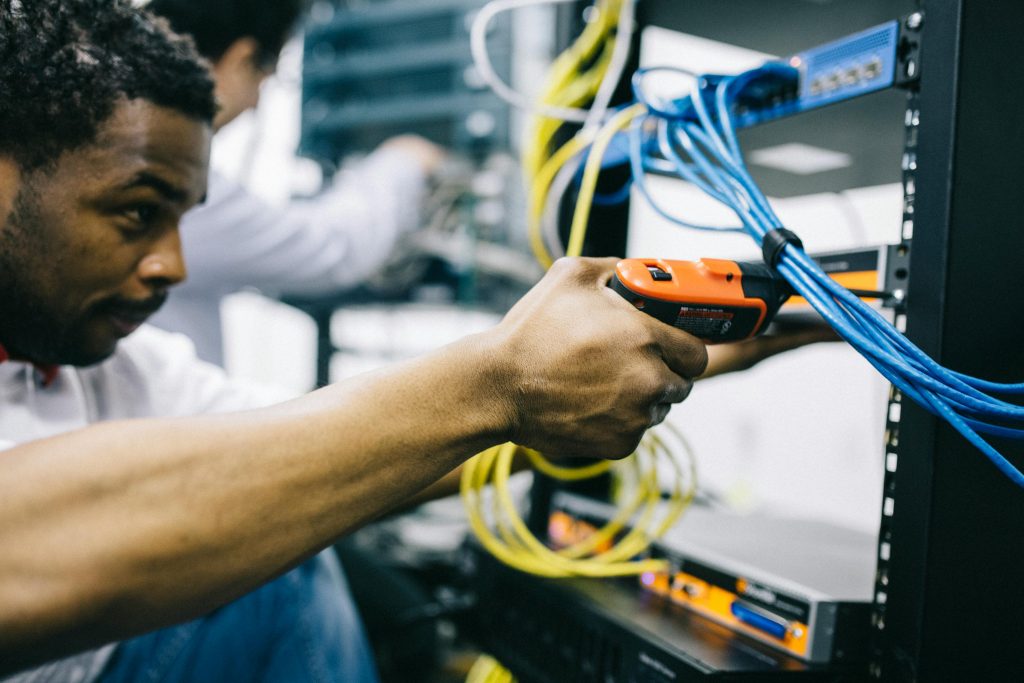
a man sitting in a server room

10 Best Structured Cabling Companies in the U.S. (2025 Edition)

10 Best Structured Cabling Companies in the U.S. (2025 Edition) As businesses continue to grow and rely more heavily on digital infrastructure, structured cabling has become the backbone of modern IT systems. These systems provide seamless data transfer, communication, and connectivity across various devices, making them essential for smooth operations. With a growing number of structured cabling providers in the U.S., choosing the right company for your business can be challenging. To help you make an informed decision, here are the top 10 structured cabling companies in the U.S. for 2025, known for their expertise, innovation, and customer satisfaction. 1. Digital Infotech Digital Infotech is a standout in the structured cabling industry, providing businesses with customized network infrastructure solutions. Specializing in fiber optic cabling, data center installations, and network design, they are known for delivering high-performance, scalable, and reliable cabling systems. Their focus on innovation and customer satisfaction has made them one of the top choices for businesses in need of a long-term networking partner. Services Offered: Why Choose Digital Infotech: 2. CBI (Communications Builders, Inc.) With over 40 years in the business, CBI is an experienced provider of structured cabling services. Known for their high-quality installations and reliable service, CBI works across a wide range of industries, including education, healthcare, and government. They offer solutions that help businesses grow and adapt to evolving technology needs. Services Offered: 3. Anixter International Anixter is a global leader in network infrastructure solutions. Known for their extensive range of structured cabling products, they provide everything from fiber optic cables to data center designs. Anixter is trusted for its ability to deliver scalable solutions for businesses of all sizes. Services Offered: 4. Greybar Electric With over 150 years in the industry, Greybar Electric has become one of the most trusted names in structured cabling. They specialize in high-performance cabling systems, including fiber optic installation and network system integration, serving both commercial and industrial clients across the U.S. Services Offered: 5. Telecommunications Systems, Inc. (TSI) TSI is known for its high-quality and reliable structured cabling services, focusing on complex installations for large enterprises. They specialize in fiber optic solutions, data center installations, and network management. TSI provides businesses with cutting-edge solutions that ensure their network infrastructure meets the demands of the future. Services Offered: 6. RMS Network Solutions Focused on delivering high-quality, customer-centric network solutions, RMS Network Solutions works with industries such as healthcare, education, and finance. They offer a range of structured cabling services, including fiber optic installation, wireless network integration, and network security solutions. Services Offered: 7. Siemon Siemon is a globally recognized name in structured cabling. They offer innovative cabling solutions for data centers, office buildings, and large enterprises. Known for their high-performance network infrastructure, Siemon ensures businesses stay ahead of the curve with scalable, secure, and reliable cabling solutions. Services Offered: 8. Comcast Business While best known for its internet and telecommunications services, Comcast Business also provides top-tier structured cabling solutions. With a strong focus on fiber optic installation and network solutions, Comcast offers services to businesses of all sizes, from small enterprises to large corporations. Services Offered: 9. Consolidated Communications Consolidated Communications is a reliable provider of fiber optic networks, data cabling, and network services. Their robust service offerings help businesses optimize their IT infrastructure for both performance and security, making them a solid choice for any company looking to enhance their network reliability. Services Offered: 10. HickoryTech With a customer-first approach, HickoryTech is dedicated to providing businesses with scalable, high-performance network cabling solutions. Whether it’s fiber optic installation, system integration, or network troubleshooting, they ensure that your network runs smoothly, even in high-demand environments. Services Offered: Best Practices for Structured Cabling Installation   When it comes to structured cabling, the installation process is critical for ensuring optimal performance. Here are some best practices to consider when planning your network infrastructure: 1. Plan for Scalability Your network cabling should be designed to handle future growth. Opt for fiber optic cabling or other scalable solutions that can support increased bandwidth as your business grows. 2. Use High-Quality Materials Investing in high-quality cables and connectors will ensure long-lasting performance and reduce the chances of network failures. 3. Follow Industry Standards Ensure that your cabling installation meets industry standards (like TIA/EIA) to ensure your network’s performance and compliance. 4. Test Your Network After installation, perform extensive network tests to check for proper signal strength, bandwidth, and speed. This ensures everything works as expected. 5. Label Cables for Easy Maintenance Proper labeling of cables helps when it comes time for troubleshooting, system upgrades, or maintenance. 6. Ensure Proper Ventilation If your network cabling is part of a larger data center or server room, ensure there is adequate airflow to prevent overheating. Frequently Asked Questions About Structured Cabling 1. What is structured cabling?   Structured cabling is a comprehensive system of cables, connectors, and devices used to manage and facilitate data transmission within a building or across multiple locations. It supports various services such as voice, data, and video transmission. 2. Why is Digital Infotech a top choice for structured cabling? Digital Infotech is known for its customized network solutions that cater to each business’s specific needs. They use the latest in fiber optic technology to build future-proof, scalable systems, and provide full-service network infrastructure support. 3. How long does structured cabling installation take? The time for installation varies based on the size and complexity of the network. Small offices might take a few days, while larger networks or data center installations could take weeks. 4. What is the difference between fiber optic and copper cabling? Fiber optic cabling uses light to transmit data, allowing for higher speeds and longer distances compared to copper cabling, which relies on electrical signals. Fiber is ideal for high-speed networks that require greater bandwidth. 5. How can structured cabling benefit my business? Structured cabling offers scalability, reliability, and better performance. It simplifies network management and maintenance, reduces downtime, and provides a future-proof infrastructure for growing businesses. Conclusion As

10 Best Structured Cabling Companies in the U.S. (2025 Edition) Read More »

cabling

Top 10 Structured Cabling Companies in the U.S : 2025

Top 10 Structured Cabling Companies in the U.S : 2025 In today’s digital-first world, businesses rely heavily on reliable structured cabling systems to support their network infrastructure. Structured cabling is the backbone of any modern network, ensuring seamless communication, data transfer, and operational efficiency. With numerous structured cabling companies across the United States, businesses need a reliable partner to provide robust, future-proof solutions. This article highlights the Top 10 Structured Cabling Companies in the U.S., including a focus on Digital Infotech , known for its innovative and customer-centric approach.   1. Digital Infotech Digital Infotech 2 stands out as a leader in the structured cabling services industry, offering tailored cabling solutions for businesses of all sizes. This network cabling solutions provider is renowned for its advanced technology, customer-first philosophy, and comprehensive services. Whether your needs include fiber optic cabling, data center cabling installation, or scalable network cabling systems, Digital Infotech ensures businesses receive reliable structured cabling that meets today’s technological demands. With a reputation for delivering high-performance structured cabling, Digital Infotech 2 offers solutions that are scalable and designed to meet both current and future needs. From system design to network infrastructure installation, their services are built to maximize network efficiency and support business growth. Why Digital Infotech Stands Out: Services Offered: 2. CBI (Communications Builders, Inc.) With over 40 years of experience, CBI is a trusted name in structured cabling services. They offer network infrastructure design and installation across various industries, including commercial, industrial, and institutional sectors. Known for delivering high-quality structured cabling solutions, they have worked with some of the biggest names in the industry. Services Offered: 3. Anixter International Anixter is a global leader in cabling system design and distribution, providing a vast array of structured cabling services. Known for its diverse product offerings, Anixter delivers cabling solutions for businesses across multiple industries, focusing on scalability and performance. Services Offered: 4. Greybar Electric Greybar Electric has been a leading provider of structured cabling systems for over 150 years. The company’s expertise spans commercial and industrial applications, offering robust solutions that meet the evolving demands of modern IT infrastructures. Services Offered: 5. Telecommunications Systems, Inc. (TSI) TSI specializes in structured cabling systems for large enterprises. They focus on delivering complex network systems tailored to specific business needs, providing solutions for fiber optic cabling, data centers, and network management. Services Offered: 6. RMS Network Solutions RMS Network Solutions is a reliable provider of structured cabling services, known for its customer-focused approach. They offer both network cabling installation and wireless network integration for industries like healthcare, finance, and education. Services Offered: 7. Siemon Siemon is an established name in structured cabling and network infrastructure, providing high-performance cabling solutions for data centers and commercial buildings. Their products are designed to support the most demanding IT environments. Services Offered: 8. Comcast Business As a major provider of telecommunications cabling services, Comcast Business offers structured cabling installation, fiber optic networks, and cloud solutions for small to large enterprises. Their extensive network experience makes them a reliable partner for business network cabling services. Services Offered: 9. Consolidated Communications Consolidated Communications provides comprehensive IT and structured cabling solutions, specializing in fiber optic networks and high-speed data solutions. Their services are designed to meet the needs of large-scale enterprises and data-driven businesses. Services Offered: 10. HickoryTech HickoryTech delivers network cabling solutions for commercial clients, offering fiber optic installation and system integration. Their flexible and customer-centric approach ensures that every cabling system installation is optimized for efficiency and reliability. Services Offered: Best Practices for Structured Cabling Installation   When investing in structured cabling services, businesses should follow best practices to ensure their network infrastructure is efficient, scalable, and reliable. Here are some best practices for structured cabling installation: 1. Plan for Future Growth Design your network infrastructure with future growth in mind. Incorporate scalable network cabling solutions such as fiber optic cabling, which can handle increased bandwidth and network demands. Planning ahead ensures you don’t need frequent upgrades or changes to your structured cabling. 2. Use Quality Materials Always choose high-quality materials for your structured cabling system design. Poor-quality cables and connectors can lead to network downtime, slower speeds, and even system failure. Work with a reputable provider like Digital Infotech 2 to ensure top-notch materials are used. 3. Adhere to Industry Standards Ensure the installation meets industry standards, such as those defined by TIA/EIA. These standards ensure that your cabling system is compliant with performance expectations and will work effectively with other network infrastructure. 4. Test the Network Before Finalizing Always test your network after the cabling installation to ensure everything is functioning as it should. Testing for signal strength, bandwidth, and performance can help identify potential issues early, reducing the risk of costly repairs in the future. 5. Label Everything Proper labeling of cables and network equipment is essential. Clear labeling helps technicians easily troubleshoot issues, upgrade systems, and maintain the network without confusion. 6. Maintain Adequate Ventilation Proper ventilation is crucial for preventing overheating of network components, particularly in data centers or server rooms. When installing fiber optic cabling or other critical components, ensure there is enough space for airflow to avoid potential system failures. 7. Keep Cables Organized Cable management is key to a clean, efficient, and easily maintainable network. Use cable trays, clips, and ties to organize network cables, keeping them away from heat sources and ensuring they are easy to access for future maintenance. FAQ – Frequently Asked Questions About Structured Cabling Services 1. What is structured cabling? Structured cabling is a standardized system of cables, connectors, and devices that provide reliable communication within a building or across multiple sites. It supports data, voice, video, and other network services, forming the backbone of a business’s IT infrastructure. 2. Why should I choose Digital Infotech 2 for my cabling needs? Digital Infotech 2 offers tailored solutions, cutting-edge technology, and a customer-first approach. With their comprehensive range of services—from network infrastructure design to maintenance—they ensure your network cabling is future-proof and optimized

Top 10 Structured Cabling Companies in the U.S : 2025 Read More »

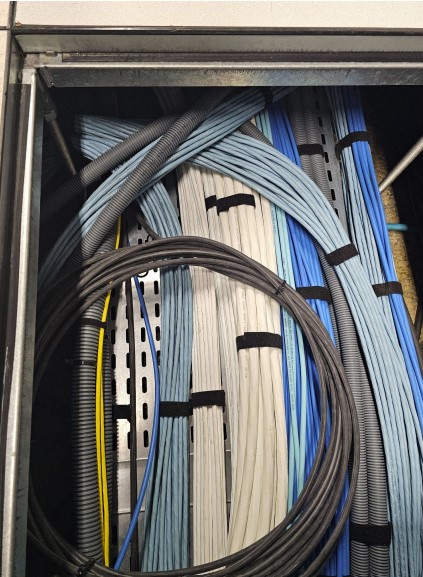
network cabling

Top Data & Voice Cabling in US 2025: A Complete Guide.

Top Data & Voice Cabling in US 2025: A Complete Guide. In today’s fast-paced digital world, the importance of data, voice, network, and structured cabling cannot be overstated. From supporting voice calls to ensuring fast internet speeds and seamless networking, a properly designed cabling infrastructure is the backbone of modern communication. As businesses grow and technology evolves, data and voice cabling systems are becoming more advanced. This comprehensive guide will take you through everything you need to know about data, voice, network, and structured cabling in the US for 2025. What is Data, Voice, and Network Cabling? Understanding Data Cabling Data cabling refers to the physical network infrastructure used to transmit digital data between devices. It includes cables like Cat 5e, Cat 6, and fiber optic cables, which facilitate internet connections, file sharing, and access to cloud services. Data cabling ensures that your devices stay connected to the internet and your network operates efficiently. What is Voice Cabling? On the other hand, voice cabling is designed for voice communication systems. This includes the wiring needed for traditional telephony services and modern VoIP (Voice over Internet Protocol) systems. Voice cabling is often integrated with data cabling to streamline network installation and minimize infrastructure complexity. The Concept of Network and Structured Cabling Network cabling refers to the entire system of physical cables that support data, voice, and other communication systems across an organization. Structured cabling is a standardized approach to cabling installation that includes the design, construction, and management of a cabling infrastructure. It involves organized, flexible cabling systems that support multiple types of services (such as internet, phone, and security systems) under one unified framework. Types of Data, Voice, and Network Cabling Systems Copper Cabling Systems (Cat 5e, Cat 6, Cat 6A) Copper cabling has long been the go-to solution for both data and voice networks. These systems transmit data using electrical signals and include common cable types like: Fiber Optic Cabling Systems Fiber optic cables have revolutionized the cabling industry by offering significantly higher speeds and greater bandwidth. Unlike copper cables, fiber optics use light signals to transmit data, making them ideal for high-performance networks. Hybrid Cabling Systems A hybrid cabling system combines both copper and fiber optic cables, allowing businesses to leverage the advantages of both technologies. This combination ensures high-speed, reliable connections for businesses that require scalable networks while balancing cost-efficiency. Benefits of Data, Voice, and Network Cabling in 2025 Increased Network Speed and Efficiency With the growing demand for high-speed internet and cloud-based services, data and voice cabling systems are designed to support faster network speeds and greater efficiency. Upgrading to fiber optic or high-quality copper cabling ensures that your network can handle increasing amounts of data without slowing down. Scalability and Flexibility The beauty of structured cabling systems is their scalability. As businesses expand, their network cabling needs to grow with them. A well-designed structured cabling system allows businesses to add new devices, upgrade to faster technologies, and scale their network infrastructure with minimal disruption. Future-Proofing Infrastructure As technologies like 5G, IoT, and AI become more prevalent, businesses need cabling systems that can handle the increased demand. Choosing a structured cabling system with fiber optic cables and high-bandwidth copper cables ensures that your network remains relevant for years to come. Leading Data & Voice Cabling Providers in the US for 2025 When it comes to selecting a data and voice cabling provider in 2025, several top players stand out: 1. Corning Incorporated Corning is a leader in the fiber optic cabling market. Their products provide unmatched performance and reliability, making them an excellent choice for businesses requiring high-speed internet and long-distance communication. 2. Leviton Leviton offers high-quality network cabling solutions, including Cat 6A and fiber optic cables. Known for their innovation and reliability, Leviton provides cost-effective, high-performance cabling options for various industries. 3. Panduit Panduit is another trusted name in the structured cabling industry. Their network cabling products are designed to provide excellent speed, flexibility, and scalability for businesses of all sizes. 4. Digital Infotech Digital Infotech is one of the most reliable data and voice cabling installation providers in the US. They offer end-to-end services for structured cabling systems, ensuring businesses have a scalable, efficient, and future-proof cabling infrastructure. Whether you need fiber optic, Cat 6A, or hybrid cabling, Digital Infotech provides expert installation services backed by strong customer support and ongoing maintenance. Choosing the Right Data & Voice Cabling Provider When selecting a provider for data, voice, network, and structured cabling, there are several factors to consider: What to Look for in a Cabling Provider Factors Influencing Your Decision Cabling Standards and Certifications Ensuring your cabling system meets industry standards is essential for reliability and performance. Some key certifications include: Data, Voice, and Network Cabling Installation Process Planning and Design Before installation, a thorough design and planning process is necessary. This involves assessing your business’s needs, designing an optimal network cabling system, and ensuring that future upgrades are easy to implement. Installation and Testing Once the design is approved, professional installers will run the necessary cables, making sure all connections are secure and tested for performance. Maintenance and Upgrades Post-installation, regular maintenance and upgrades are essential to keep the system running smoothly and to accommodate future technology advancements. Costs of Data & Voice Cabling in the US The cost of data and voice cabling installation depends on factors like the size of your network, the type of cables used, and the complexity of the installation. Generally, small businesses can expect to pay anywhere from $500 to $5,000 for installation, with larger enterprises facing higher costs. Data & Voice Cabling for Different Industries Corporate and Commercial Environments Businesses rely on structured cabling systems to maintain fast, secure communication. Whether for internet, phone systems, or video conferencing, a reliable cabling system is vital for daily operations. Healthcare and Educational Institutions Healthcare and education institutions require network cabling that supports sensitive data transmission and high-speed communication. These environments need scalable, secure cabling systems to keep up

Top Data & Voice Cabling in US 2025: A Complete Guide. Read More »